
Can Hypnosis Apps Trigger Anxiety or Discomfort?
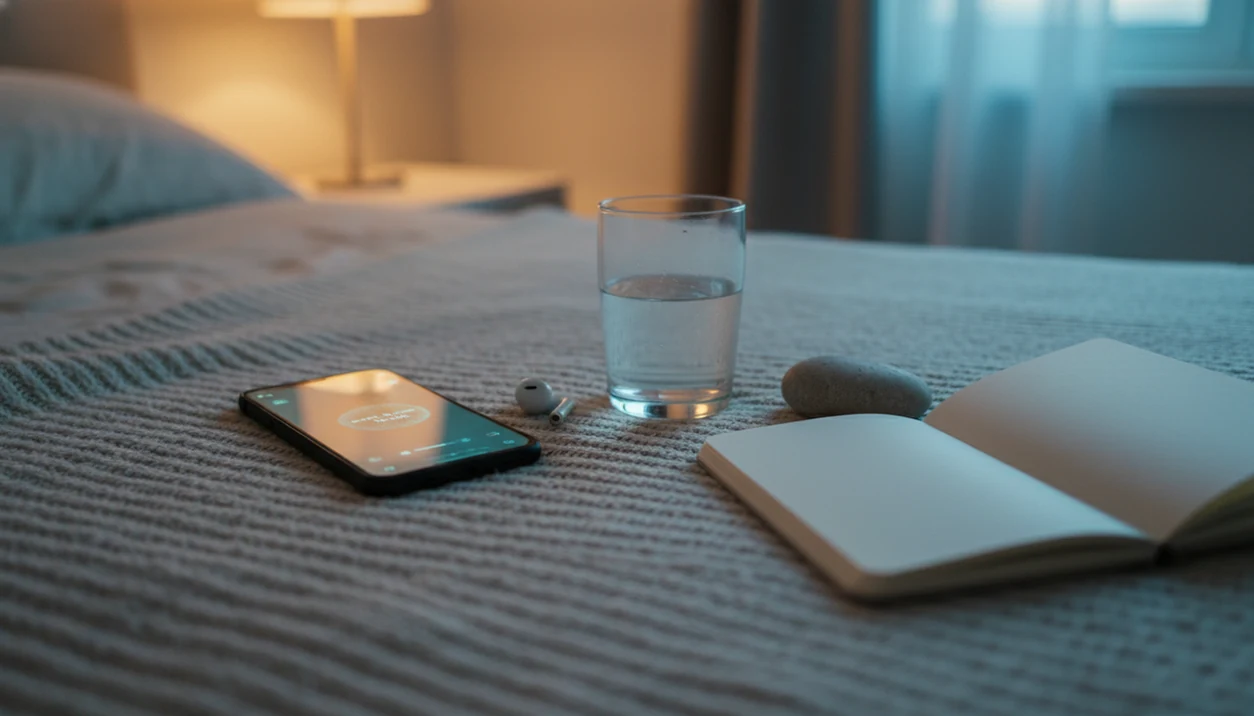
Yes—hypnosis apps can trigger anxiety or discomfort in some people, especially when inward focus, body sensations, imagery, or loss-of-control fears make a session feel unsafe instead of relaxing. These reactions are usually temporary, but you should stop the session, ground yourself, and seek professional help if distress feels intense, recurring, or connected to trauma, dissociation, psychosis, or severe anxiety.
Definition: HypnoApp is a hypnosis app that provides guided hypnosis, self-hypnosis, meditation, and sleep audio sessions for adults seeking relaxation and better habits.
TL;DR
- Hypnosis and self-hypnosis are generally considered low-risk, but rare reactions can include anxiety, distress, dizziness, headaches, drowsiness, nausea, and sleep problems.
- If a hypnosis app feels uncomfortable, open your eyes, move your body, pause or close the app, breathe steadily, and switch to a grounding activity.
- People with psychosis, severe dissociation, complex trauma, or intense anxiety should use hypnosis tools only with professional guidance or avoid unsupervised sessions.
Can Hypnosis Apps Trigger Anxiety in Some Users?
Hypnosis apps can trigger anxiety or discomfort in some users, even though that is not the usual outcome. The reaction may feel like panic, restlessness, emotional stirring, loss of control, or simply not being able to relax.
In practice, a guided audio session can become uncomfortable when the room gets quiet and the narrator asks for inward focus. One person may hear “loosen your jaw and drop your shoulders” and settle. Another may notice a tight chest and think, “Am I supposed to feel hypnotized?” That question alone can raise anxiety.
Medical sources generally describe hypnosis as low-risk, but rare adverse effects are documented. App-based self-hypnosis also lacks the live professional support of in-person hypnotherapy. If you want the broader safety context, our guide to is hypnosis safe covers adult use in more detail.
Five Facts About HypnoApp Discomfort and Safety
- Fact 1: Hypnosis is usually low-risk, but rare reactions can include anxiety, distress, dizziness, headaches, drowsiness, nausea, and sleep problems, according to Mayo Clinic guidance on hypnosis source.
- Fact 2: Some people report increased anxiety or trouble sleeping after hypnosis, especially when a session feels emotionally activating.
- Fact 3: A 2013 systematic review found 407 hypnosis apps; 83% used audio recordings, and none reported evidence-based development or efficacy testing source.
- Fact 4: The same review found that only 13.8% of reviewed hypnosis apps included any disclaimer.
- Fact 5: Hypnosis apps should complement, not replace, therapy, prescribed medication, crisis support, or professional care.
A helpful way to think about it is this: good hypnosis and self-hypnosis mobile apps with guided meditation, sleep sessions, anxiety relief, and habit-building audio programs deliver structured relaxation practice, not diagnosis, crisis care, or guaranteed symptom treatment.
How Self-Hypnosis Anxiety Reactions Work in the Body
Self-hypnosis anxiety reactions happen when focused attention, relaxation cues, imagery, or suggestion increases awareness of sensations, thoughts, emotions, or memories instead of reducing them.
Most hypnosis apps use a narrator’s voice, slower pacing, breath cues, body relaxation, mental imagery, and suggestion. Those tools can support a relaxation cue, but they also narrow attention. For some listeners, narrow attention magnifies a racing heart, stomach tension, intrusive thought, or old memory.
The body may read stillness as vulnerability. Anxiety can rise if the user feels trapped, overly passive, uncertain, or pressured to relax. A session on a train seat with earbuds can feel especially exposed if the audio asks for “deep surrender” and the listener wants to stay alert.
Discomfort does not mean the app has taken control of the user. For anxiety-prone adults, self-hypnosis usually works best when the listener keeps choice, movement, and an exit plan available throughout the session.
Five Stop-Hypnosis Steps When Anxiety Starts
If anxiety starts during a hypnosis app session, stop the session in a plain, physical way. You do not need to “finish” the track or wait for the narrator to count you out.
For panic-like symptoms, NHS guidance also recommends staying where you are if safe, slowing breathing, and reminding yourself the attack will pass source.
- Open your eyes and orient to the room. Name where you are, the date, and one ordinary object near you.
- Move your body. Wiggle your hands or feet, roll your shoulders, or stand up if it is safe.
- Pause or close the app. Remove headphones if the voice feels too close or intense.
- Breathe normally and ground yourself. Try naming five things you see, four things you feel, and three sounds you hear.
- Contact someone if distress does not settle. Text a trusted person, call a clinician, or seek urgent support if you feel unsafe.
Small movements help. The pocket check is real.
For most people, stopping quickly is better than pushing through because it restores choice and interrupts the anxiety loop.
Higher-Risk Groups for HypnoApp Discomfort
Some people should avoid unsupervised hypnosis apps or use them only with professional guidance. The main issue is not weakness; it is whether inward focus and suggestion are safe for that person right now.
- Psychosis: Hypnosis may not be suitable for people with psychosis and can worsen symptoms, according to NHS guidance on hypnotherapy source.
- Severe dissociation: People who lose time, feel unreal, or disconnect from their body may find some scripts destabilizing.
- Complex trauma or active PTSD symptoms: Imagery, body scanning, silence, or surrender language can feel activating rather than soothing.
- Panic disorder or severe anxiety: Sensation-focused tracks may increase scanning for breath, heartbeat, or dizziness.
- Uncertain mental health history: If you are unsure, ask a licensed mental health professional before using hypnosis apps.
Clinicians typically recommend professional assessment when hypnosis is being considered by someone with psychosis, severe dissociation, trauma symptoms, or unstable anxiety. Our separate guide on who should avoid hypnosis apps goes deeper into these caution groups.
Common Myths About Hypnosis Apps and Anxiety
Misleading beliefs can make hypnosis app discomfort more frightening than it needs to be. Clear expectations help users decide whether to continue, adjust, or stop.
| Myth | Plain-language correction |
|---|---|
| Hypnosis apps are always relaxing and cannot make anxiety worse. | Most sessions are intended to be calming, but rare anxiety or distress reactions can happen. |
| An app store listing means the hypnosis app is clinically tested or approved. | App availability does not prove clinical testing, professional review, or evidence-based scripts. |
| Users can get stuck in hypnosis or lose control. | People generally remain aware and can open their eyes, move, pause the audio, or stop; Mayo Clinic notes that hypnosis does not make people lose control over their behavior source. |
| Self-hypnosis can replace therapy or medication for serious anxiety. | Self-hypnosis may support relaxation, but it should not replace professional care for anxiety disorders. |
That last point matters. A bedroom speaker and a calm voice can support a bedtime routine, but they are not the same as therapy, diagnosis, or crisis care.
Safer HypnoApp Use for Anxiety-Prone Adults
Anxiety-prone adults can reduce hypnosis app discomfort by choosing short, gentle sessions and keeping control visible. Start with five to ten minutes before trying longer or deeper tracks.
Use the app while seated or lying somewhere safe, never while driving or operating equipment. Keep the volume comfortable. If intense imagery, countdowns, or command-heavy language feels unsafe, choose a different session. A volume slider lowered in bed can be the difference between supportive and too much.
Before pressing play, set an exit plan: keep the pause button visible, leave a light on if you prefer, and give yourself permission to stop anytime. Tools like HypnoApp can be used as practical relaxation and habit-support tools, not medical treatments or cures.
For beginners, a low-pressure practice is often safer than “deep” sessions because it keeps attention flexible and makes stopping feel normal.
When HypnoApp Discomfort Needs Professional Help
Hypnosis app discomfort needs professional help when it is intense, repeated, or connected to symptoms that do not settle after stopping. Warning signs include panic that keeps escalating, flashbacks, dissociation, worsening sleep, intrusive memories, or anxiety every time you try a session.
Stop unsupervised hypnosis sessions until you have spoken with a qualified professional. That may mean a therapist, psychiatrist, primary care clinician, or another licensed mental health provider. A phone faceup beside a keyboard after a difficult session is a good moment to send the message, not to replay the track.
Hypnosis apps are not crisis tools and should not replace emergency support. Seek urgent help if you feel unsafe, detached from reality, at risk of self-harm, or unable to function. If privacy concerns make you hesitate to use wellness tools, our hypnosis app privacy guide explains data and tracking questions separately.
Limitations
The evidence on hypnosis app discomfort has real gaps. There is limited high-quality research specifically on hypnosis apps causing anxiety reactions, and most safety guidance is extrapolated from in-person hypnosis and hypnotherapy research.
- Hypnosis apps vary widely in script quality, voice style, session length, disclaimers, and intended use.
- A 2013 systematic review found no reviewed hypnosis apps reported being evidence-based or tested for efficacy.
- App store availability does not prove clinical validation, professional review, or suitability for every user.
- Safety advice for adults may not apply to children, pregnancy, psychosis, trauma, or severe anxiety.
- Hypnosis apps should not be used as the only support for severe anxiety, psychosis, complex trauma, or crisis symptoms.
- AI-generated scripts add another uncertainty because quality, tone, and safeguards can vary; our guide to are AI hypnosis apps safe covers that issue.
Reasonable expectations matter here. A hypnosis app can be a low-pressure practice, but it cannot know your full mental health history.
FAQ
Can hypnosis apps cause panic?
Yes, panic-like feelings can happen for some users during a hypnosis app session. Stop the audio, open your eyes, move your body, ground yourself, and seek help if symptoms persist.
Is self-hypnosis dangerous?
Self-hypnosis is generally low-risk for many adults when used in a safe setting. It may be unsuitable without professional guidance for people with psychosis, severe dissociation, complex trauma, or severe anxiety.
Can hypnosis worsen anxiety?
Hypnosis can temporarily worsen anxiety in rare cases, especially if the session feels activating, unsafe, or too passive. Stop the session if anxiety rises instead of settling.
How do I stop hypnosis?
Open your eyes, move your hands and feet, pause or close the audio, breathe normally, and orient to the room. You do not need to finish a session to stop safely.
Can you get stuck in hypnosis?
No, people generally remain aware during hypnosis and can choose to stop. Opening your eyes, moving, and pausing the audio are enough for most app sessions.
Why do I feel weird after hypnosis?
Temporary drowsiness, emotional activation, dizziness, or increased body awareness can happen after hypnosis. If the feeling is intense, repeated, or frightening, stop using the app and speak with a professional.
Should trauma survivors use hypnosis apps?
Trauma survivors should use caution with hypnosis apps, especially if they have complex trauma, flashbacks, or dissociation. Professional guidance is safer than unsupervised sessions for many people in this group.
Are hypnosis apps clinically tested?
Many hypnosis apps are not clinically tested. A systematic review of 407 hypnosis apps found that none reported evidence-based development or efficacy testing.
Can hypnosis replace anxiety therapy?
No, hypnosis apps may support relaxation but should not replace therapy, prescribed medication, or professional care for anxiety disorders. Use HypnoApp and similar tools only as supportive self-care when appropriate.