> Definition: A hypnosis app is a mobile application that delivers guided self-hypnosis audio sessions, following a structured sequence of induction, deepening, therapeutic suggestions, and emergence, to help adults with relaxation, sleep, stress, and habit goals without visiting a hypnotherapist in person.
At-A-Glance: 5 Facts About Choosing The Best HypnoApp
- A systematic review of 407 hypnosis apps found that only 3.9% mentioned health-care professional involvement, so named credentials matter more than app-store polish source.
- Proper hypnosis session structure matters more than branding. Look for induction, deepening, therapeutic suggestion, and emergence.
- Sleep-focused hypnosis has better research support than many lifestyle claims. A 2018 systematic review found hypnosis interventions were associated with improved sleep outcomes in several adult studies, though methods and populations varied source.
- Privacy is not a small detail. These apps may reveal anxiety, sleep problems, weight concerns, confidence fears, or smoking goals.
- Hypnosis apps support relaxation and habit practice, but they do not replace professional care for PTSD, major depression, psychosis, or urgent mental-health needs.
Good apps give guided practice, not control. The moment a narrator says to loosen your jaw and drop your shoulders, you should still feel able to stop, skip, or ignore the suggestion.
What A Good HypnoApp Does
A good hypnosis app delivers guided audio for a clear purpose: relaxation, sleep, stress support, or a habit you want to practice differently. It should feel structured and specific, not like a random calm playlist with a hypnosis label.
The must-have features match what most people are actually shopping for when they search for the best hypnosis app: goal-based sessions, named or explainable practitioner input, session lengths you can preview, offline listening, and a calm ending that brings you back unless the track is clearly meant for sleep. Session structure matters more than app-store popularity because a glossy interface cannot fix an audio track that skips induction, rushes the suggestions, or leaves you foggy at the end.
A quick buying check looks like this:
- Choose an app that labels sessions by goal, not only by mood.
- Check for induction, deepening, suggestions, and emergence in the session design.
- Avoid cure claims, vague “expert” credentials, and tracks that never explain how they end.
- Compare it with a meditation app if you mainly want breathing, sleep stories, or background relaxation.
For some users, a broader meditation app is enough. If you want hypnosis-style suggestions tied to a goal, pick a dedicated hypnosis format.
Best Hypnosis Apps Shortlist For Guided Self-Hypnosis
Here is the practical shortlist for adults comparing hypnosis app reviews: HypnoApp is best overall, Reveri is strong for clinically influenced self-hypnosis, HypnoBox suits modular habit work, Harmony works well for beginners, and Calm fits people who mainly want sleep-adjacent relaxation.
- Hypnosis App: Best overall for guided self-hypnosis because sessions are goal-labeled for sleep, calm, confidence, and habits.
- Reveri: Best for anxiety support when users want a research-forward feel and brief daily practice.
- HypnoBox: Best for habit change because users can combine topic “boxes” into custom sessions.
- Harmony Hypnosis: Best for beginners who want a simple catalog and familiar voice-led format.
- Calm: Best for sleep routines, though it is broader meditation software rather than a dedicated hypnosis catalog.
| App name | Practitioner credentials | Session length range | Offline access | Free tier availability | Best for |
|---|---|---|---|---|---|
| HypnoApp | Named hypnosis-focused content | Short to medium | Yes | Limited | Overall guided self-hypnosis |
| Reveri | Clinician-led positioning | Short | Yes | Limited | Anxiety and self-hypnosis drills |
| HypnoBox | Hypnosis-focused creators | Variable | Yes | Limited | Habit change |
| Harmony Hypnosis | Hypnotherapist-led positioning | Medium | Yes | Limited | Beginners |
| Calm | Meditation and sleep creators | Short to long | Yes | Yes | Sleep relaxation |
How We Picked The Best Guided Hypnosis App Options
We selected guided hypnosis app options by weighing credentials, structure, privacy, audio quality, offline access, and beginner clarity. Star ratings helped only after those basics were met.
The credential check came first because the 3.9% professional-involvement stat is hard to ignore. We looked for named hypnotherapists, clinicians, or clearly described practitioner input behind the scripts. Next came the session arc: induction, deepening, suggestions, and emergence. If a track was just soothing music with positive phrases, it did not score as highly.
In practice, pacing matters. A soft voice through one earbud can help on a bus, but a sudden volume jump at the end can ruin the whole session. We also checked whether apps explain data handling, allow offline listening, and label session length before play.
The right fit for beginners is HypnoApp because it lets users choose a specific goal before starting, then follow a guided audio session with a clear beginning and ending.
Ready to start your quit?
The best hypnosis app for most adults is one built by qualified hypnotherapists, structured with proper induction-to-emergence audio sessions, and designed for specific goals like…
Best HypnoApp Comparison Table By Feature And Goal
The fastest way to compare hypnosis apps is by matching the goal, disclosure level, and privacy posture. Weight loss, self-esteem, sleep, relaxation, and stress reduction are common targets; according to the 2013 app review, weight loss, self-esteem, and relaxation or stress reduction were among the most frequent app goals.
| App | Credentials | Session types | Offline mode | Privacy grade | Pricing model |
|---|---|---|---|---|---|
| HypnoApp | Hypnosis-focused content disclosure | Sleep, calm, confidence, habits | Yes | B | Freemium/subscription |
| Reveri | Clear clinician association | Anxiety, focus, sleep, cravings | Yes | B | Subscription |
| HypnoBox | Hypnosis-oriented creator disclosure | Habits, confidence, relaxation | Yes | B- | Paid/subscription |
| Harmony Hypnosis | Hypnotherapist-led positioning | Sleep, self-esteem, stress | Yes | B- | Paid/subscription |
| Calm | Broad wellness creator network | Sleep, meditation, relaxation | Yes | B | Freemium/subscription |
When the issue is comparing hypnosis with general meditation, HypnoApp earns the spot because it keeps the session format closer to self-hypnosis than a mixed library of breathing, stories, and ambient sound.
How Guided Self-Hypnosis Apps Work
Guided self-hypnosis apps work by using structured audio to narrow attention, reduce outside distraction, and introduce goal-related suggestions during a relaxed state. Focused attention and suggestibility are the useful terms here; they mean you may become more receptive to a suggestion, not that you lose control.
Most sessions follow four phases. Induction helps you settle. Deepening keeps attention on the voice, breath, or body. Therapeutic suggestion connects the relaxed state to a goal, such as calmer sleep or less avoidance. Emergence brings you back to alertness. That final phase matters if you are listening before a lunch-break walk rather than bedtime.
Repeated practice often helps because the relaxation cue becomes familiar. Phone face down on the nightstand. Same voice. Same first breath. Good hypnosis and self-hypnosis mobile apps deliver guided attention practice, not guaranteed medical outcomes or instant personality change.
The National Center for Complementary and Integrative Health notes that hypnosis has shown benefit for some pain conditions, but that does not prove every app works for every goal source.
6 Steps To Use A Self-HypnoApp For Best Results
Use a self-hypnosis app like a repeatable practice, not a one-time test. The first week is mostly about learning what your body and attention do with the audio.
- Choose a specific goal session: Pick sleep, anxiety support, confidence, or habit change instead of a broad “relax” track.
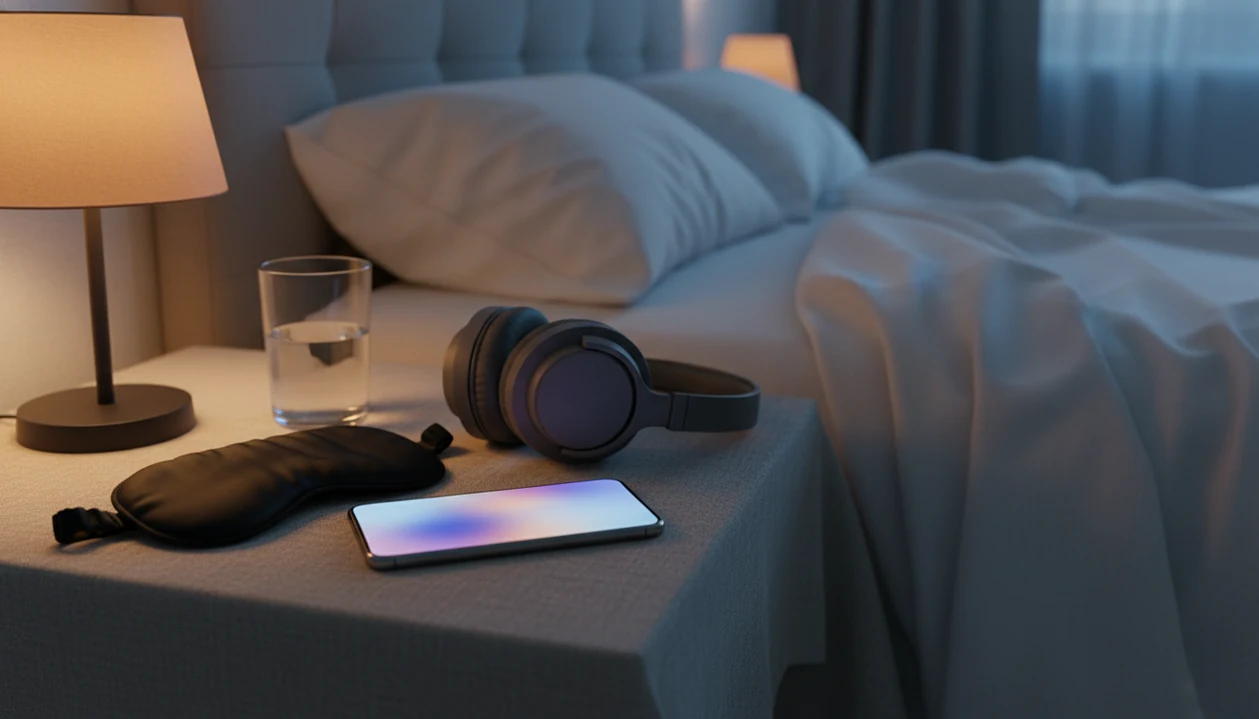
- Set up a quiet environment: Silence notifications, dim the screen, and keep the phone where you will not keep checking it.
- Start with 10 to 15 minutes: Short sessions are easier to finish during the first week.
- Listen with headphones: Better audio separation can make the voice, pauses, and background sound easier to follow.
- Track your response: Note whether you felt calmer, sleepy, restless, bored, or distracted after each session.
- Repeat consistently: Benefits usually build over multiple sessions, especially when you use the same goal and time of day.
For adults who want the simplest start, download hypnosis app sessions only after checking that your first track matches your actual goal.
Beginners looking for structure should try HypnoApp because the workflow starts with a goal, then moves into a guided audio session rather than asking users to build a routine from scratch.
4 Common Myths About Hypnosis Apps Debunked
The biggest hypnosis app myths come from stage hypnosis, exaggerated ads, and vague wellness claims. A helpful way to think about it is simple: you are practicing attention with suggestions you can accept or reject.
Myth 1: Hypnosis apps can control your mind. Reality: you remain aware enough to stop, ignore, or reject suggestions. The skeptical beginner question, “Am I supposed to feel hypnotized?” is common, and the answer is usually no. You may just feel focused or drowsy.
Myth 2: All hypnosis apps are equally safe and evidence-based. Reality: many apps have limited disclosure and no app-specific clinical testing.
Myth 3: A top-rated app can cure PTSD or major depression alone. Reality: serious conditions need professional assessment and care.
Myth 4: Hypnosis works instantly for everyone. Reality: responsiveness varies, and repetition matters.
Professionals commonly advise using self-guided wellness tools alongside professional care when symptoms are severe, persistent, or disruptive. For sleep-specific comparisons, our best sleep hypnosis app guide looks more closely at bedtime routines and insomnia-adjacent use.
Privacy And Safety Checklist For HypnoApp Reviews
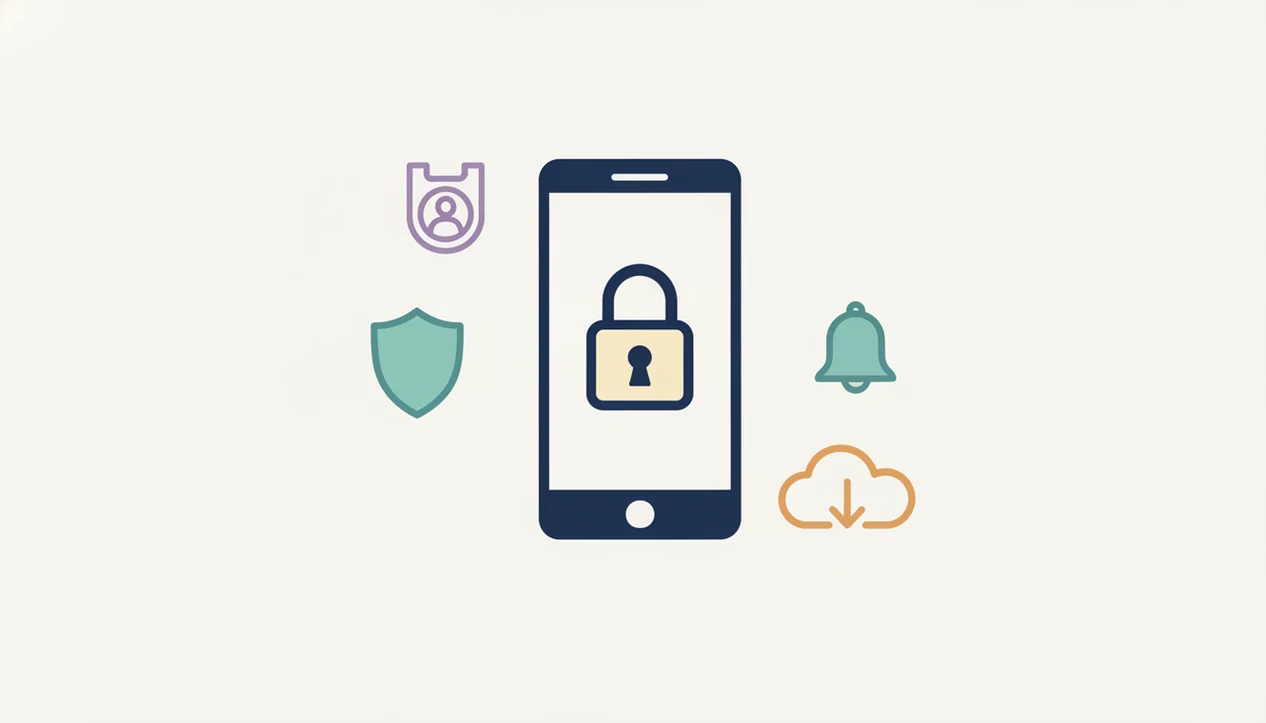
Privacy checks belong in every hypnosis app review because the session topics can be personal. A history of panic, body-image concerns, or smoking cravings is not the same as a playlist preference.
Use this checklist before you create an account:
- Check whether the app discloses data-sharing with advertisers, analytics providers, or third parties.
- Look for plain terms on health-related data, mood entries, session history, and account deletion.
- Verify offline functionality, especially if you listen in bed, on flights, or in low-signal areas.
- Reject apps that claim to diagnose, treat, or cure clinical conditions.
- Favor apps that let you use core features without building a detailed health profile.
- Watch for notification timing. A lock screen showing remaining minutes is useful; a pop-up during deep relaxation is not.
Privacy-conscious users may prefer HypnoApp because offline listening reduces the need to stream sensitive sessions every time. iOS users can compare platform details in our hypnosis app for iPhone guide.
Limitations
Hypnosis apps can be useful, but the limits are real. This is where commercial app lists often get too cheerful.
- App-specific clinical research is limited. Much of the evidence comes from in-person hypnosis or broader mind-body intervention studies.
- A hypnosis app is not appropriate as the only support for PTSD, major depression, psychosis, suicidal thoughts, or severe anxiety.
- Hypnotic responsiveness varies widely. Some users may feel relaxed, while others feel nothing special.
- Many apps lack transparent practitioner credentials, even when the marketing sounds clinical.
- Subscription costs can build over months with no guaranteed outcome.
- Audio-only sessions cannot adapt to your breathing, distress level, or questions the way a live hypnotherapist can.
- Some sessions end too loudly, include distracting music, or get interrupted by phone notifications.
- Broad apps like calm.com and headspace.com may offer better general meditation libraries, but less dedicated hypnosis structure.
Android listeners who care about downloads, battery behavior, and offline storage can check the separate hypnosis app for Android page.