Definition: A hypnosis app for anxiety is a mobile tool that delivers guided audio sessions using focused attention and relaxation suggestions to help adults manage everyday stress and worry; it is a self-help support tool, not a clinical treatment for diagnosed anxiety disorders.
At-a-Glance: Best Hypnosis Apps for Anxiety and Stress Compared
This comparison looks at self-help hypnosis apps for stress support, not clinical treatments for anxiety disorders. A good choice should make it easy to start a guided audio session when your shoulders are up by your ears and your phone is already in your hand.
| App Name | Clinician Involvement | Session Length Options | Offline Access | Anxiety-Specific Sessions | Free Tier Available |
|---|---|---|---|---|---|
| HypnoApp | Professional session design | Short and longer sessions | Available on select content | Yes, stress and relaxation tracks | Yes |
| Reveri | Stanford clinician involvement | Short sessions | Limited by plan | Yes | Yes |
| Harmony Self Hypnosis | Hypnosis-focused creator | Varied tracks | Yes, on paid plans | Mood and calm themes | Limited |
| Nerva | Structured program model | Program-based sessions | App-dependent | Stress-adjacent support | Trial or paid access |
Good calming apps deliver repeatable relaxation practice, not a diagnosis, prescription, or guarantee.
What a HypnoApp for Anxiety Does
A hypnosis app for anxiety gives you guided audio for calming your body and attention during everyday stress. It supports relaxation, sleep preparation, worry reduction, and habit routines, but it does not diagnose or treat anxiety disorders.
Most sessions follow a simple structure: a calm voice invites you to settle, uses breathing or muscle-release cues, adds imagery such as a safe place or quiet path, then offers suggestions around steadiness, confidence, or letting thoughts pass. For tense moments, the most useful apps make that flow easy to reach without a lot of tapping.
- Pick a session length that matches the moment. Short tracks help during a work break; longer ones fit bedtime or a planned reset.
- Choose a voice you can tolerate when stressed. Tone, pacing, and audio quality matter more than fancy labels.
- Use reminders to build the routine. A gentle prompt can turn stress support into a daily habit instead of a last resort.
- Download favorites for offline access. This helps on flights, commutes, weak Wi-Fi, or nights when scrolling would make things worse.
- Return to familiar tracks when worry spikes. Saved sessions, quick-start buttons, and clear categories make daily use easier when your brain is already busy.
5 Facts About Hypnosis Apps for Anxiety Relief
Before choosing a calming hypnosis app, it helps to separate useful support from inflated claims. The snack drawer may stay closed after playback, but that does not mean one track “fixed” anxiety.
- Hypnosis apps are self-help tools. They can support relaxation and everyday worry, but they do not diagnose, cure, or treat anxiety disorders.
- Professional involvement is uncommon. In one systematic review of hypnosis apps, only 7% reported health-care professional involvement, and none showed evidence of scientific testing source.
- Stress is a common app goal. In that same review, relaxation and stress reduction accounted for 19.9% of app goals.
- Repeated use matters. A single session may help someone settle in the moment, but anxiety support usually depends on regular practice over days or weeks.
- Response varies by person. Some users relax quickly with guided suggestion, while others do better with CBT skills, exercise, mindfulness, medication, or therapy.
For adults managing everyday stress, self-hypnosis practice tends to work best when it becomes a low-pressure routine rather than a rescue button used only at peak distress.
4 Named Hypnosis Apps for Anxiety and Stress: HypnoApp, Reveri, Harmony, and Nerva
Four apps are worth shortlisting because they approach stress support in different ways. The right pick depends on whether you want variety, clinician identity, mood-focused audio, or a structured program.
- Hypnosis App: best for daily guided self-hypnosis and relaxation variety. Adults looking for a self hypnosis anxiety app can use HypnoApp for short guided audio sessions, bedtime routines, and stress-focused tracks without needing to build a routine from scratch.
- Reveri: best for research-backed clinician sessions. Reveri is strongly associated with Stanford psychiatrist Dr. David Spiegel, which helps users who want a clear clinician connection behind the method.
- Harmony Self Hypnosis: best for mood-focused hypnosis meditation. Harmony fits listeners who like hypnosis tracks framed around confidence, calm, self-esteem, and emotional steadiness.
- Nerva: best for structured program format. Nerva is more program-like than browse-and-play, which can help people who prefer a set path.
If your priority is a broad calming hypnosis app for daily use, HypnoApp earns its place because it offers guided hypnosis, self-hypnosis, meditation, and sleep audio in one routine-friendly library.
Ready to start your quit?
The best hypnosis app for anxiety combines clinician-designed sessions, clear safety language, and calming audio built for everyday stress, not anxiety-disorder treatment. After…
How We Picked the Best HypnoApp for Anxiety Support
We judged each app by the things that matter when someone is already tense: professional input, safety language, session quality, privacy clarity, and whether the app is easy to use before worry escalates. A pretty interface was not enough.
Our scoring gave extra weight to clinician or researcher involvement, clear “when to seek help” disclosures, session length choices, personalization, offline listening, and readable data-handling policies. We also looked for calm session starts, because a loud intro can break the whole thing. It happens.
The need is real. Per the CDC, 26.3% of U.S. adults with any mental illness said they needed counseling or therapy in the past year but did not receive it source. That gap helps explain why many adults try an app that calms stress with hypnosis, but access does not turn an app into therapy.
Anyone dealing with lunch-break stress behind a closed office door may find HypnoApp useful because the workflow is simple: choose a stress session, press play, and follow one guided audio track.
How Guided Self-Hypnosis for Anxiety Works
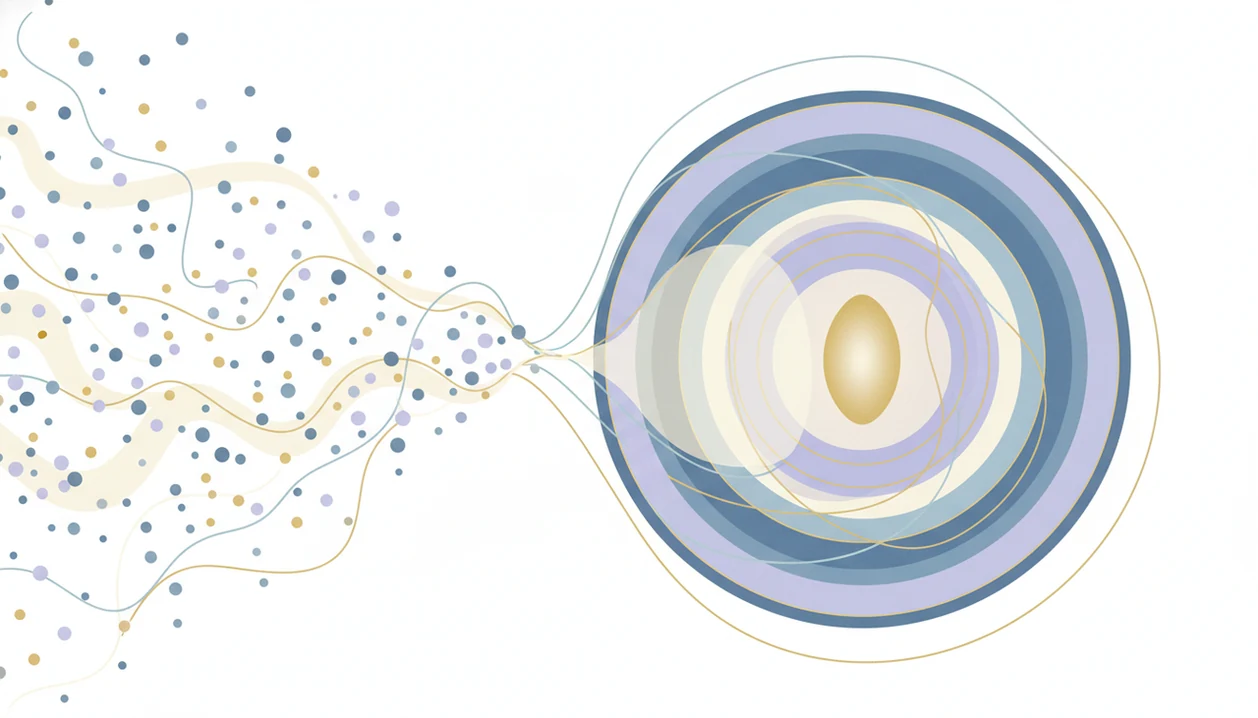
Guided self-hypnosis for anxiety uses focused attention, relaxation cues, and suggestion-based imagery to help the body shift out of a high-alert state. It is not mind control, and you remain aware of what you accept or ignore.
In practice, a narrator may guide breathing, progressive muscle relaxation, and a simple visualization. The moment the voice says to loosen your jaw and drop your shoulders is often where users notice the first small change. Not dramatic. Noticeable.
Two useful terms are attentional narrowing and suggestibility. In plain language, the session reduces competing inputs and offers calm-focused prompts while your attention is steadier.
Clinical anxiety deserves separate care. NIMH estimates that 19.1% of U.S. adults had an anxiety disorder in the past year source. Therapists and mental-health guidelines commonly recommend evidence-based care such as CBT, medication when appropriate, or both for anxiety disorders, while apps may support relaxation between care steps.
How to Use a HypnoApp for Stress and Anxiety Support
Use a hypnosis app for stress support when you can give the audio a few quiet minutes and avoid multitasking. If the doorbell rings and you tap pause, just restart from the last calm point instead of treating the session as ruined.
- Choose a quiet space and minimize distractions. Turn on Do Not Disturb, dim the screen, and place the phone face down if that helps.
- Select an anxiety or stress session that matches your current need. Pick sleep, work stress, confidence, or general calm instead of scrolling too long.
- Set a comfortable position and put on headphones. Sitting upright is fine if lying down makes you sleepy.
- Follow the guided suggestions without forcing outcomes. If you think, “Am I supposed to feel hypnotized?”, notice the thought and return to the voice.
- Repeat sessions consistently for at least two weeks before judging results. Regular practice usually matters more than one intense session.
- Seek professional help if anxiety is severe or worsening. Panic attacks, unsafe thoughts, or major life impairment need licensed support.
For repeatable evening practice, prioritize an app with short stress sessions, sleep audio, and a library that makes it easy to return to the same calming routine without searching while tense.
4 Common Myths About Calming Hypnosis Apps
A calming hypnosis app is easiest to use well when expectations are plain. Hype makes people quit early, especially when the first session feels ordinary.
Myth 1: A hypnosis app can replace therapy for anxiety disorders. A hypnosis app can support relaxation, but licensed care is still the right path for diagnosed anxiety disorders, severe symptoms, or panic attacks.
Myth 2: One session can cure anxiety. One session may help you settle, but durable anxiety support usually requires repeated practice and wider coping skills.
Myth 3: High ratings prove scientific validation. App Store ratings show user satisfaction, not clinical testing or evidence-based protocol design.
Myth 4: Hypnosis apps can control your mind. Hypnosis involves focused attention and response to suggestion; it does not override your will.
For people comparing a meditation app and a hypnosis app, hypnosis tends to include more directed suggestions, while mindfulness often trains observation without changing the thought.
5 Honest Cons of Using a Self-Hypnosis Anxiety App
A self-hypnosis anxiety app can be useful, but the category has real weaknesses. The crowded marketplace makes quality hard to judge when every listing promises calm.
- Most apps lack formal clinical testing. A review of hypnosis apps found very limited evidence behind app-specific therapeutic claims.
- Not every user responds well. Some people feel calmer with breathing practice, while others get impatient or distracted.
- Subscription costs can add up. A free tier may be enough to test the voice, but not enough for varied daily use; our free hypnosis app for anxiety guide explains that tradeoff.
- Apps cannot adapt like a therapist. A recording cannot ask follow-up questions when symptoms change.
- Professional oversight is uncommon. Only 7% of apps in one systematic review reported health-care professional involvement.
On days when pencil tapping near a practice quiz is the problem, HypnoApp can help with a short reset because it offers focused guided sessions rather than only long sleep tracks.
Limitations
Hypnosis apps should be chosen with reasonable expectations. They can make a stressful evening easier, but they are not mental-health services.
- High-quality clinical research on individual hypnosis apps for anxiety remains limited.
- A hypnosis app is not appropriate as the sole intervention for severe anxiety, panic attacks, suicidal thoughts, or symptoms that are getting worse.
- Not all users respond equally to hypnosis; some benefit more from CBT, exercise, mindfulness training, medication, or live therapy.
- Many apps lack professional oversight, transparent safety information, or evidence-based protocols.
- Even quality apps lose value with inconsistent use or unrealistic expectations.
- Apps do not diagnose or treat anxiety disorders; professional care is needed for clinical conditions.
- Privacy policies vary, so users should check what data is collected before using mood notes or account features.
If you want a practical starting point, learning how to calm anxiety with phone hypnosis can help you use audio support without overstating what it can do.