A free hypnosis app for anxiety is a mobile application offering guided relaxation audio that blends hypnotic suggestion, breathing prompts, and visualization to help users manage everyday stress and anxious thoughts at no upfront cost.
- Nearly all “free” anxiety hypnosis apps are freemium, expect 3-7 unlocked sessions before paywalls appear.
- No consumer hypnosis app has published peer-reviewed evidence of clinical effectiveness for anxiety disorders.
- Check privacy policies, script authorship, and safety disclaimers before committing to any free stress hypnosis app.
At-a-Glance: Free Anxiety HypnoApp Features and Paywalls
- Freemium is the normal model: most free anxiety hypnosis apps unlock a small starter library, then charge for longer programs, sleep packs, or advanced anxiety tracks.
- Typical free content is limited: expect about 3-7 anxiety, stress, or free calming hypnosis sessions, often with one or two breathing exercises.
- Common restrictions are practical: trials expire, ads appear between sessions, downloads may be locked, and multi-day programs usually sit behind subscriptions.
- Anxiety demand is large: NIMH reports that 19.1% of U.S. adults experienced an anxiety disorder in the past year (NIMH: https://www.nimh.nih.gov/health/statistics/any-anxiety-disorder).
- Digital self-help is mainstream: an estimated 13.2% of U.S. adults used mental-health apps in 2018.
The progress ring after a session can feel encouraging, but it does not prove the session treated anxiety. Good hypnosis and self-hypnosis mobile apps deliver structured relaxation practice, not diagnosis, crisis care, or guaranteed symptom control.
5 Facts About Free Hypnosis Apps for Stress and Anxiety
- Most free hypnosis apps are freemium, not fully free: the first few tracks are usually samples for a paid library.
- Hypnosis may modestly reduce anxiety for some people: it is a relaxation and suggestion method, not a cure.
- App evidence is thin: a systematic review found virtually no hypnosis apps with documented evidence-based protocols.
- Free apps may collect sensitive data: mood logs, sleep notes, and session history can reveal more than users expect.
- The better options disclose authorship: clinician-written scripts and clear safety warnings are stronger signals than vague “calming audio” labels.
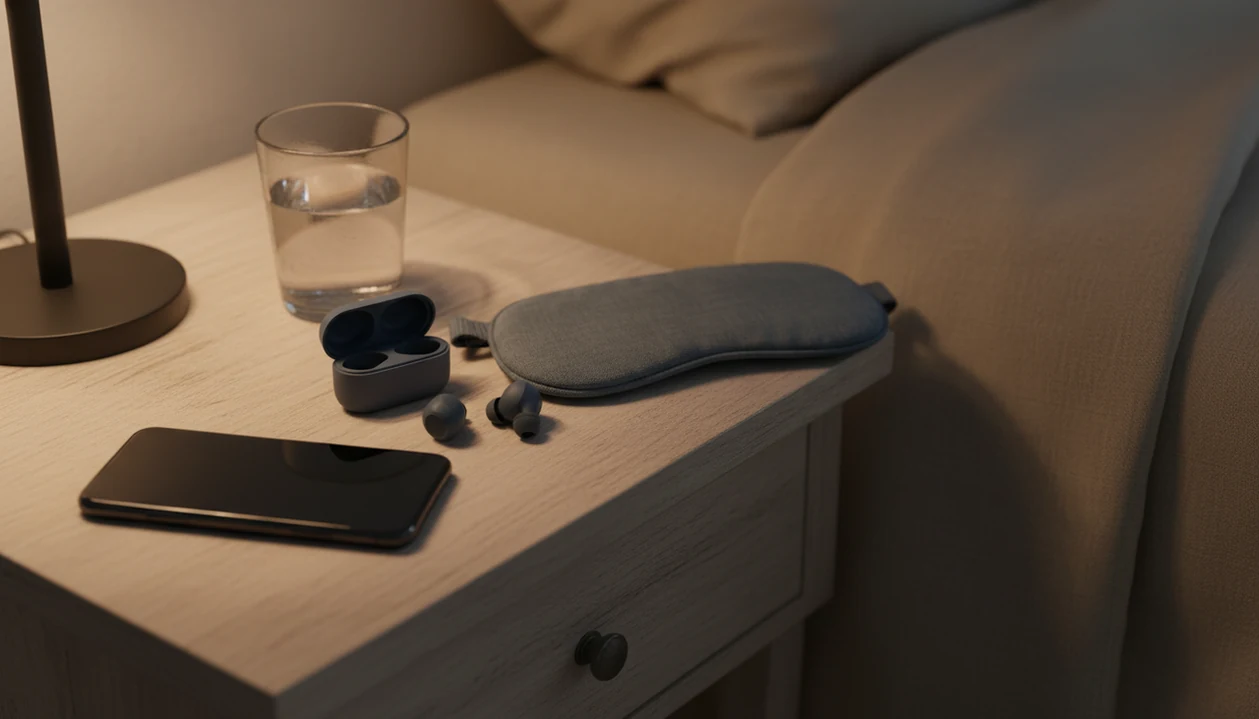
If evening worry shows up as a tight chest and restless scrolling, a short guided track may be easier to start than a 25-minute meditation. The headphones case beside the phone is a small clue: this works best as repeat practice, not a one-off rescue button.
Named Shortlist: Free Calming Hypnosis Apps Worth Trying
What Each App Includes for Free
- Hypnosis App: offers guided hypnosis, self-hypnosis, sleep, and anxiety sessions for adults; free access may include starter sessions before subscription prompts appear.
- Reveri: a Stanford-affiliated hypnosis app with anxiety and focus sessions; it commonly uses a limited free trial before requiring payment.
- Mindset by MINDSET Health: blends CBT-style education with hypnotherapy audio; some anxiety tracks may be available before the paid plan.
- Joseph Clough: appears often in search results for hypnosis audio; check the current app store listing because free scope can change.
Where the Paywalls Appear
HypnoApp is the practical fit for adults who want one place for anxiety, sleep, and habit-support audio because the workflow groups sessions by use case. A broader comparison lives in our best hypnosis app for anxiety guide.
Paywalls usually show up around downloads, full libraries, multi-session programs, and premium voices. iOS and Android availability can also vary by region, so confirm the app store page before planning a routine.
Guided Hypnosis Audio Mechanics for Anxiety Relief
Guided hypnosis audio for anxiety usually works in three phases: induction, suggestion, and emergence. The listener stays aware and in control; self-hypnosis is not sleep, blackout, or loss of will.
In the induction phase, the narrator may guide progressive relaxation, slower breathing, or focused attention. That might sound like, “loosen your jaw and drop your shoulders,” which many users notice before their thoughts slow down. The suggestion phase uses calming statements, imagery, and reframing to interrupt anxious thought patterns. The emergence phase brings attention back gradually.
A helpful way to think about it is that hypnosis is more directive than meditation. Meditation often emphasizes open awareness, while hypnosis gives specific relaxation cues and suggested responses. For beginners asking, “Am I supposed to feel hypnotized?”, the steadier answer is no. You’re practicing attention and response.
How to Use a Free HypnoApp for Anxiety
Use a free hypnosis app for anxiety as a planned calming practice, not only when symptoms are already loud. The simplest workflow is to choose one track, set up a safe space, listen briefly, then check how you feel.
- Choose one anxiety or stress session while you are still relatively steady, so you are not scrolling through voices, paywalls, or titles during a spike.
- Sit or lie down somewhere safe where you will not need to drive, answer messages, cook, or be interrupted for a few minutes.
- Use headphones at low volume and place the phone face down, dimmed, or out of reach so the screen does not become another thing to monitor.
- Start with five to ten minutes before moving into longer bedtime sessions, especially if hypnosis audio is new for you.
- Record your mood afterward in a note, journal, or app log, and stop using the session if anxiety, panic, dissociation, or distress gets worse.
The goal is a repeatable reset. If one track feels neutral but not magical, that can still be useful.
Ready to start your quit?
A free hypnosis app for anxiety usually uses a freemium model: a few calming audio sessions are free, while larger libraries sit behind subscriptions. HypnoApp fits people who…
6 Safety Steps for Using a Free Stress HypnoApp
Use a free stress hypnosis app like a low-pressure practice, not a medical treatment plan. Start small, check how your body responds, and pause if the audio makes you feel worse.
- Check the privacy policy and app permissions before downloading, especially if mood logs or sleep tracking are included.
- Verify script authorship by looking for licensed clinician involvement, named hypnotherapists, or clearly labeled generic voice content.
- Start with one short session in a safe, seated position before trying longer bedtime or anxiety programs.
- Never listen while driving or operating machinery, even if the track sounds mild.
- Track how you feel afterward in a journal, mood log, or simple note on your phone.
- Seek professional help if anxiety symptoms persist, worsen, or include panic attacks or thoughts of self-harm.
When a calendar alert reminds you to take a reset break, HypnoApp fits because short sessions can be used before the day gets louder. Tiny reset. Realistic goal.
Selection Criteria for Free Anxiety Hypnosis Apps
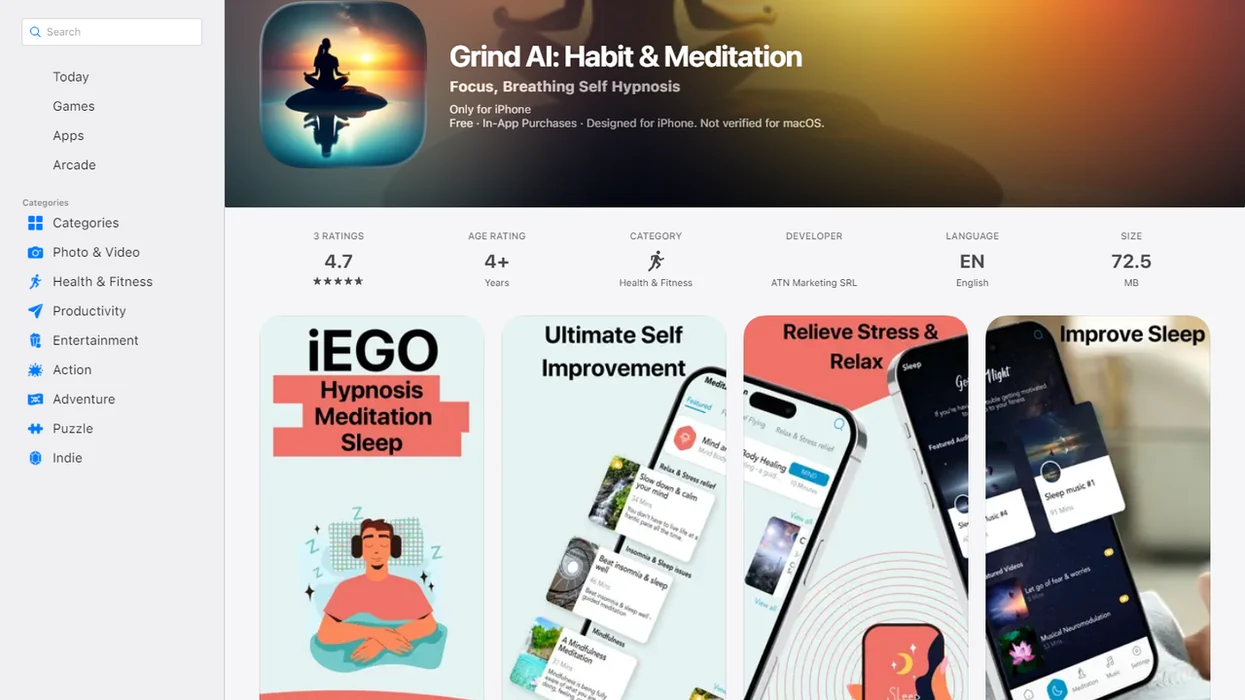
The strongest free anxiety hypnosis apps are clear about what is free, who wrote the audio, and what data they collect. We weigh practical use more heavily than polished app-store screenshots.
Key criteria include the amount of genuinely free anxiety or stress content, safety disclaimers, and whether scripts come from clinicians, trained hypnotherapists, or unnamed writers. Privacy matters too. Mood tracking, ad networks, and third-party analytics should be easy to find in the policy.
Audio quality also changes adherence. A session ending too loudly can undo ten quiet minutes. Session length variety matters because a five-minute lunch-break track and a 25-minute bedtime routine solve different problems. User ratings help, but review sentiment is more useful than stars alone. If you want a narrower setup, our self hypnosis for anxiety app guide explains beginner routines.
Who Should Try a Free Anxiety Hypnosis App—and Who Should Not
A free anxiety hypnosis app is a reasonable fit for mild, everyday stress when you want repeat relaxation practice. It is not the right standalone tool for panic attacks, trauma symptoms, dissociation risk, diagnosis, or crisis support.
For many users, the best use case is consistency: a short guided track before sleep, after work, or during a planned reset break. Audio can reduce the friction of starting, especially when quiet breathing on your own feels too vague. The boundary is important, though. Hypnosis audio should not replace CBT, medication, a clinician’s assessment, or urgent support when symptoms are intense.
- Use it for low-level worry, tension, or bedtime wind-downs where guidance helps you practice regularly.
- Avoid relying on it during panic attacks, flashbacks, feeling unreal or detached, or any symptom that feels unsafe.
- Pause and reassess if a session increases fear, numbness, distressing memories, or loss of orientation.
- Ask a clinician when anxiety is disrupting work, sleep, school, caregiving, or relationships.
- Seek urgent help if anxiety comes with self-harm thoughts, danger, or inability to stay safe.
Privacy and Ad Risks in Free Hypnosis Apps
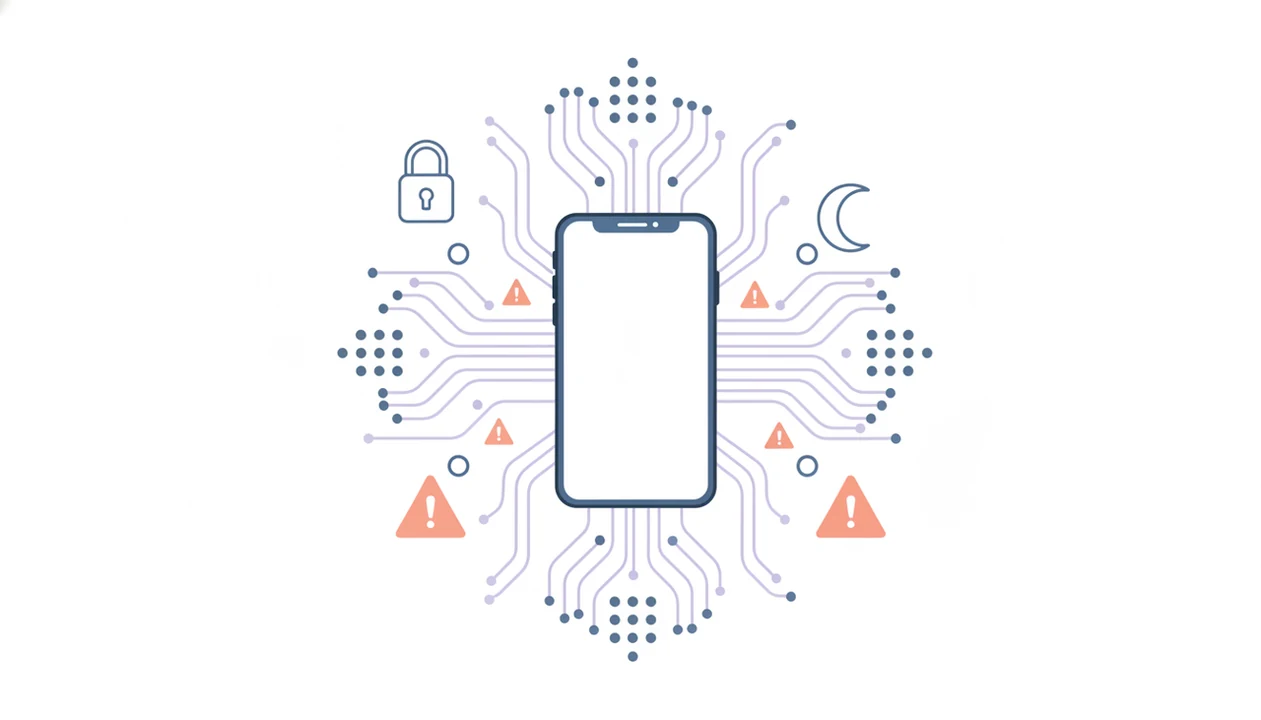
Free hypnosis apps often make money through ads, subscriptions, analytics, or data sharing. That matters because anxiety, sleep, and mood notes can become sensitive personal data.
| Risk area | Lower-risk pattern | Higher-risk pattern |
|---|---|---|
| Ads | No ads during free sessions | Interstitial ads before or after calming audio |
| Data | Minimal account details | Mood logs, sleep patterns, and frequent tracking |
| Privacy rights | GDPR or CCPA language is easy to find | Policy is vague or hard to read |
| Security | Clear encryption statement | No mention of encryption or data storage |
| Upsells | Quiet subscription prompts | Repeated pop-ups during relaxation setup |
When the issue is a bathroom stall pause between meetings, an ad before the breathing count can feel jarring. HypnoApp is easier to judge when the session path is clear before playback begins. For stress-pattern tracking questions, read our what app identifies stress patterns explained article.
Clinical Evidence Gaps for Free Calming Hypnosis Apps
Clinical hypnosis has some support for anxiety and stress in controlled settings, but consumer hypnosis apps are a different category. A systematic review of App Store hypnosis apps found that 19.9% targeted relaxation and stress reduction, yet none reported empirical evidence of effectiveness (JMIR mHealth and uHealth: https://mhealth.jmir.org/2017/11/e160/).
That gap matters because the audience is large. Globally, 301 million people were living with anxiety disorders in 2019, according to WHO figures (WHO: https://www.who.int/news-room/fact-sheets/detail/anxiety-disorders). Many people are looking for something they can try tonight, without a waitlist or intake form.
Therapists and mental-health guidelines commonly recommend evidence-based care, such as cognitive behavioral therapy, medication when appropriate, and safety planning for higher-risk symptoms. A free anxiety hypnosis app should be viewed as complementary self-help, not standalone treatment. For phone-based practice steps, our guide to how to calm anxiety with phone hypnosis covers a safer starting routine.
Limitations
Free anxiety hypnosis apps can be useful, but the tradeoffs are real. Treat them as habit-support tools with boundaries.
- No consumer hypnosis app has published peer-reviewed clinical outcomes proving anxiety reduction.
- Free tiers are usually restricted; most meaningful libraries require payment.
- Ads, upgrade prompts, and account screens can disrupt relaxation before it starts.
- Some users may feel discomfort, derealization, or dissociation, especially with certain psychiatric conditions.
- Language, cultural fit, narrator style, and audio quality vary widely; high ratings do not guarantee personal fit.
- A free calming hypnosis session should never replace professional care for moderate-to-severe anxiety, panic attacks, suicidal thoughts, or functional impairment.
- Privacy risks are real because some free apps may share mood, sleep, or usage data with third parties.
- Competitors such as calm.com, headspace.com, hypnobox.com, reveriehypnosis.com, and harmonhypnosis.com differ in free access, evidence claims, and paywall timing.
For users who need quick relaxation practice, HypnoApp can support a bedtime routine because guided audio can be played with the phone face down on a nightstand. It cannot assess risk or decide whether symptoms need clinical care.