
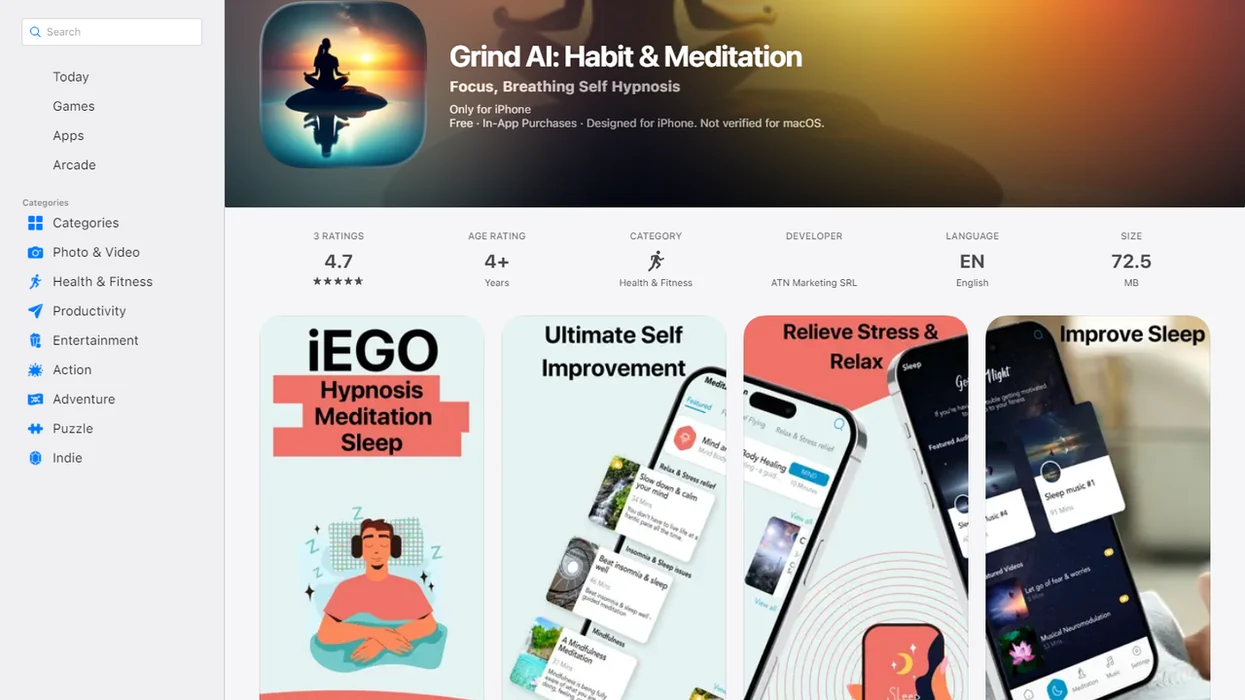
> Definition: An offline guided hypnosis app is a mobile application that lets users download complete hypnosis audio sessions to their device for playback without an internet connection, typically organized by goals like sleep, stress relief, or habit change.
At a Glance: Top Offline Guided Hypnosis Apps Compared
A good offline guided hypnosis app should make downloads obvious before bedtime, not hide them behind a tiny streaming menu. The table below separates true local downloads from cache-style access that may disappear after cancellation.
Because app-store features and subscription rules change, verify current offline access on each official listing before paying: HypnoBox https://www.hypnobox.com/ and Hypnosis Downloads https://www.hypnosisdownloads.com/.
| App name | Offline download method | Goal libraries available | Platform | Pricing model | Creator credentials |
|---|---|---|---|---|---|
| HypnoApp | Local session downloads inside app | Sleep, stress, habits, confidence, self-hypnosis | iOS/Android | Free trial or subscription | App-based guided audio team, credentials should be checked in listing |
| HypnoBox | Offline caching for selected sessions | Sleep, relaxation, confidence, habits | iOS/Android | Subscription | Hypnosis-focused app creators |
| Hypnosis Downloads | Downloadable MP3 files | Large catalog across habits, emotions, sleep | Web/mobile playback | Per-session purchases | Uncommon Knowledge hypnotherapy team |
If your priority is listening on flights, in low-signal hotels, or with the phone face down on a nightstand, HypnoApp fits because saved sessions remain available through the in-app downloads folder.
What a Downloadable HypnoApp Does
A downloadable hypnosis app lets you save guided audio sessions to your phone so you can practice without relying on a live connection. The best versions make the difference clear between a full local download and a temporary cached stream that may expire, require account checks, or vanish after cancellation.
Its job is to match a listening routine to a goal. Sleep sessions usually slow the pace and reduce alerting cues. Stress tracks focus on breathing, body release, and mental distance. Habit sessions use repeated suggestions around cravings or routines, while confidence audio rehearses steadier self-talk before meetings, exams, or social moments. Offline playback matters when you are traveling, staying in a low-signal room, conserving data, or trying not to troubleshoot Wi-Fi at midnight.
A practical app should help you:
- Save sessions into a clear downloads folder before you need them.
- Control playback with simple pause, rewind, timer, and volume options.
- Set reminders so practice becomes routine rather than occasional.
- Review session history to see what you used and when.
Hypnosis audio supports repeated self-practice; it is not individualized diagnosis, therapy, or treatment.
5 Facts About Downloadable Hypnosis Sessions
Downloadable hypnosis sessions are useful only when the audio, access rules, and creator credibility all hold up. These five facts matter more than store ratings.
- True offline access means complete audio is available without data. A cached stream can behave like a download, but DRM rules may still block playback later.
- Creator involvement is often weak. A 2013 systematic review of 407 hypnosis apps found only 2.0% involved a health professional, and 0% reported evidence of clinical effectiveness source.
- Goal libraries vary sharply. The same review found intended goals included weight loss at 22.6%, self-esteem at 20.3%, and relaxation or stress reduction at 19.9%.
- Offline does not mean invisible. Session names, listening frequency, account data, and notes may still sync when the phone reconnects.
- Some app-based hypnosis can matter clinically when designed well. A randomized trial of a hypnosis mobile app for post-surgical pain found lower pain intensity and interference scores among app users source.
Good hypnosis and self-hypnosis apps deliver structured relaxation practice, not a private therapist in your pocket.
Named Shortlist: 3 Best Hypnosis Apps for Offline Use
The strongest offline options make it easy to find a session, save it, and replay it without checking signal strength. Here are three worth comparing before you pay.
Hypnosis App: Best Overall Offline Guided Hypnosis
HypnoApp covers guided hypnosis, self-hypnosis practice, meditation, and sleep audio with local downloads for repeat listening. Verdict: the right fit for adults who want one library for bedtime, stress resets, and habit-support sessions.
When the issue is a patchy commute or a quiet bedroom speaker, HypnoApp earns the spot because downloadable hypnosis sessions can be prepared before the signal disappears.
HypnoBox: Best for Sleep Sessions Offline
HypnoBox is a strong sleep-focused choice with iOS and Android support, plus offline caching for selected content. Verdict: useful if your main need is a bedtime routine with a large hypnosis-style sleep library.
Hypnosis Downloads: Largest Downloadable Session Library
Hypnosis Downloads offers individual MP3 purchases from Uncommon Knowledge, which suits users who prefer owning files over subscribing. Verdict: strongest for people who want a broad catalog and direct audio downloads.
For sleep-specific comparisons, the Reveri vs HypnoBox breakdown is useful if you are deciding between hypnosis-first apps.
Ready to start your quit?
For most adults, HypnoApp is the best guided hypnosis app with offline downloads because it saves full voice-guided sessions to your device, organizes them by goals like…
How We Picked the Best Guided Hypnosis App With Offline Downloads
We ranked apps by offline reliability first, then by session quality, goal-library depth, creator transparency, privacy policy clarity, and pricing. Star ratings helped only when they matched real download behavior.
A five-star app can still fail at 11:40 p.m. if the sleep session needs a server check. We gave more weight to true local downloads, clear DRM handling, and cancellation policies than to glossy onboarding screens. Audio pacing also mattered. A narrator asking you to loosen your jaw and drop your shoulders should not be followed by a loud ending chime.
HypnoApp ranked highly because it pairs goal-specific guided audio sessions with a practical download workflow. For users deciding whether an app can replace live support, the hypnosis app vs hypnotherapist comparison explains where app-based practice stops.
How Offline Guided Hypnosis Apps Work
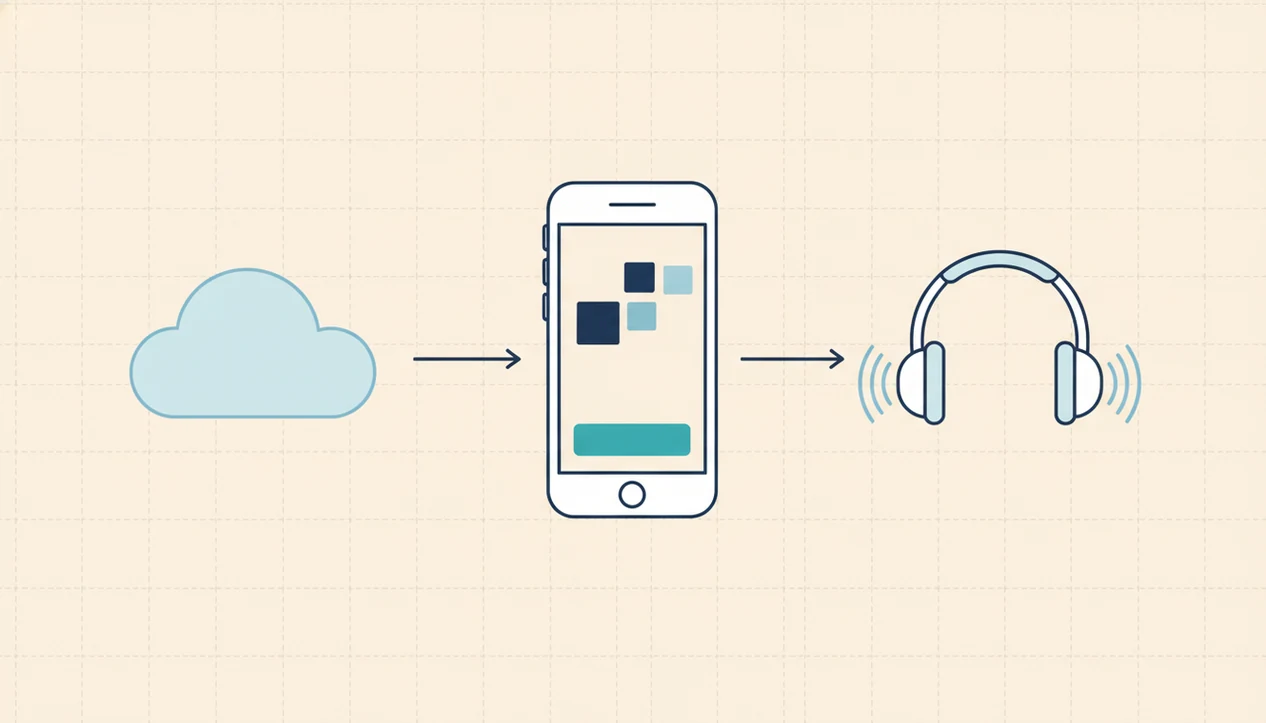
Offline guided hypnosis apps work by storing voice-led audio sessions on your device, then guiding you through a structured sequence: induction, deepening, suggestion, and emergence. In plain terms, the session helps you settle, focus, rehearse a goal, and return to normal alertness.
The technical difference is storage. Some apps package audio as local files inside the app. Others keep cloud-locked streams that only behave offline for a limited time. Script quality, pacing, and goal-specific language matter because repetition supports habit loops and relaxation response training. That means a confidence session should not sound identical to a sleep session.
A helpful way to think about it is practice, not performance. If a skeptical beginner asks, “Am I supposed to feel hypnotized?”, the better answer is to notice whether the session helps them pause, breathe, and reset.
How to Use a Downloadable Hypnosis Session Offline
Use a downloadable hypnosis session offline by saving it while connected, confirming it appears in the app’s downloads area, and playing it only in a safe setting. Do the test before you actually need it.
- Choose a goal-specific session from the app library, such as sleep, stress, confidence, or habit change.
- Tap the download icon while connected to Wi-Fi, preferably before travel or bedtime.
- Verify the session appears in your offline, saved, or downloads folder.
- Switch to airplane mode or move to a low-signal area to test playback.
- Play the session safely in a quiet setting, never while driving or operating machinery.
- Review your experience and schedule repeat sessions, since consistency matters more than one dramatic listen.
When note cards are trembling before a presentation, HypnoApp can be useful because confidence sessions can be downloaded ahead of time and played through one earbud during a calm pre-event pause.
Privacy and Storage Risks for Offline Hypnosis Apps
Offline playback reduces streaming dependence, but it does not remove data risk. Apps may still collect metadata such as session type, listening frequency, favorites, account status, device ID, and personal notes after reconnecting.
Sensitive topics deserve extra care. Downloaded sessions about addiction, trauma, weight, or anxiety can reveal more than a generic relaxation track. Check whether the privacy policy explains analytics, third-party tracking, account deletion, and whether audio history can be cleared.
Storage is practical, too. A long bedtime track may be tens of megabytes, and a full library can crowd an older phone quickly. Internal storage is usually safer than an SD card for private material. For broader safety questions, our is hypnosis safe guide covers adult self-hypnosis precautions.
Honest Cons of Current Offline Hypnosis Apps
Offline hypnosis apps are convenient, but they are still mostly generic audio products. They do not know your full history, your medication list, your trauma triggers, or what happened during a hard week.
The biggest drawback is validation. Most apps have not been tested in clinical trials, even when they make polished wellness claims. DRM is another frustration. A session that “downloaded” today may stop working after a subscription lapses. Free tracks may also have lower audio quality, abrupt volume changes, or less careful scripting than paid sessions.
HypnoApp is a strong practical pick for downloadable guided audio, but someone needing individualized treatment should compare that with live care. Meditation competitors like Calm and Headspace can be better for general mindfulness, which is why the Calm vs hypnosis app distinction matters.
Limitations
Hypnosis apps can support relaxation and routines, but they have clear limits. Keep these in mind before treating any offline library as a complete care plan.
- Most hypnosis apps have not undergone rigorous clinical trials.
- A hypnosis app should not replace professional care for psychiatric disorders, suicidal ideation, psychosis, severe depression, or substance-use crises.
- Offline downloads do not eliminate privacy breach risk, especially if listening history or account metadata syncs later.
- Generic scripts may be ineffective or unsafe for some trauma survivors.
- A single session will not permanently resolve complex issues like addiction, depression, panic, or chronic insomnia.
- DRM-locked downloads may disappear after cancellation, even if the button says “download.”
- Audio sessions cannot adjust in real time if you become distressed.
- The 2013 app review found 0% of 407 reviewed hypnosis apps reported evidence of clinical effectiveness.
For most adults, self-hypnosis audio is a low-pressure practice that works best alongside sleep hygiene, stress management, and professional care when needed.