Calm Vs HypnoApp For Racing Thoughts At Night
Choose Calm if you want bedtime content that gently lulls you to sleep; choose a hypnosis app if you want more targeted guided suggestion for relaxation, anxiety-style rumination, or habit support. Calm vs hypnosis app is mainly a choice between broad mindfulness-and-sleep entertainment and focused self-hypnosis sessions. HypnoApp fits the second path because it organizes guided audio sessions around relaxation cues, sleep routines, confidence, and habit support.
> Definition: A hypnosis app provides guided hypnosis, self-hypnosis, meditation, and sleep audio sessions for adults seeking relaxation and better habits.
- Calm-style apps usually fit people who want meditation, breathing, music, and sleep stories they can fall asleep to.
- Hypnosis apps usually fit people who want structured sessions with suggestions aimed at a specific goal, such as relaxation, confidence, sleep routines, or habits.
- Neither option should be treated as a medical treatment for chronic insomnia, sleep apnea, depression, anxiety disorders, or serious psychiatric symptoms.
Calm vs hypnosis app, side by side
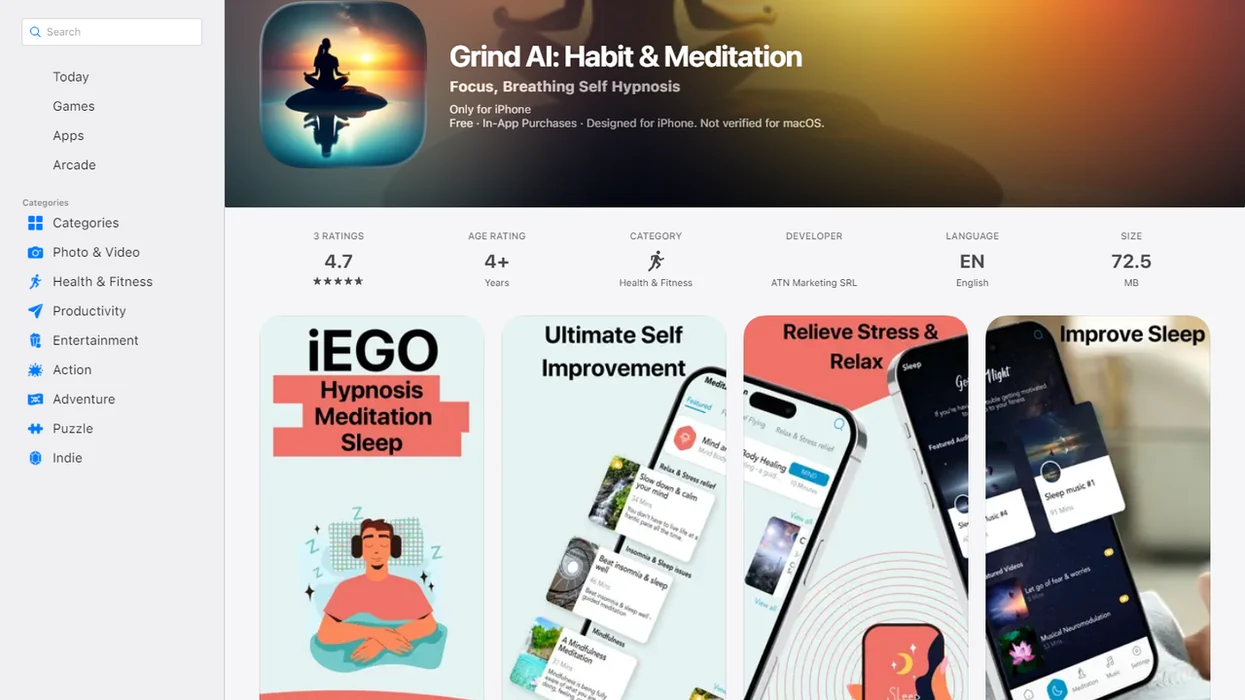
Side-by-side captures of the compared products. Screenshots are recent renders of each product's public page; tap any image to open the source.
Calm vs hypnosis app comparison table
Calm wins for drifting off with low-effort bedtime audio; hypnosis wins for goal-focused suggestion and habit support. The practical choice is less about which app is “better” and more about how you want your mind guided at night.
| Decision point | Calm-style meditation app | Hypnosis app |
|---|---|---|
| Primary method | Mindfulness, breathing, relaxation audio | Focused attention, imagery, guided suggestion |
| Bedtime fit | Strong for drifting off | Strong for intentional listening before sleep |
| Content style | Music, sleep stories, meditations, soundscapes | Goal-based guided audio sessions |
| Evidence profile | Broader mindfulness research base | Consumer app evidence is thinner |
| User effort | Lower effort, often passive | More active listening helps |
| Ideal user | Wants soothing content without a specific target | Wants sleep, confidence, stress, or habit cues |
| Caution notes | Not a medical insomnia treatment | Not a clinical hypnosis substitute |
Meditation use has grown in the U.S.; a National Health Interview Survey analysis reported that 14.2% of U.S. adults used meditation in 2017, up from 4.1% in 2012 (NCCIH: https://www.nccih.nih.gov/research/statistics/use-of-yoga-meditation-and-chiropractors-among-us-adults-aged-18-and-over). That growth helps explain why Calm-style apps feel familiar to many users.
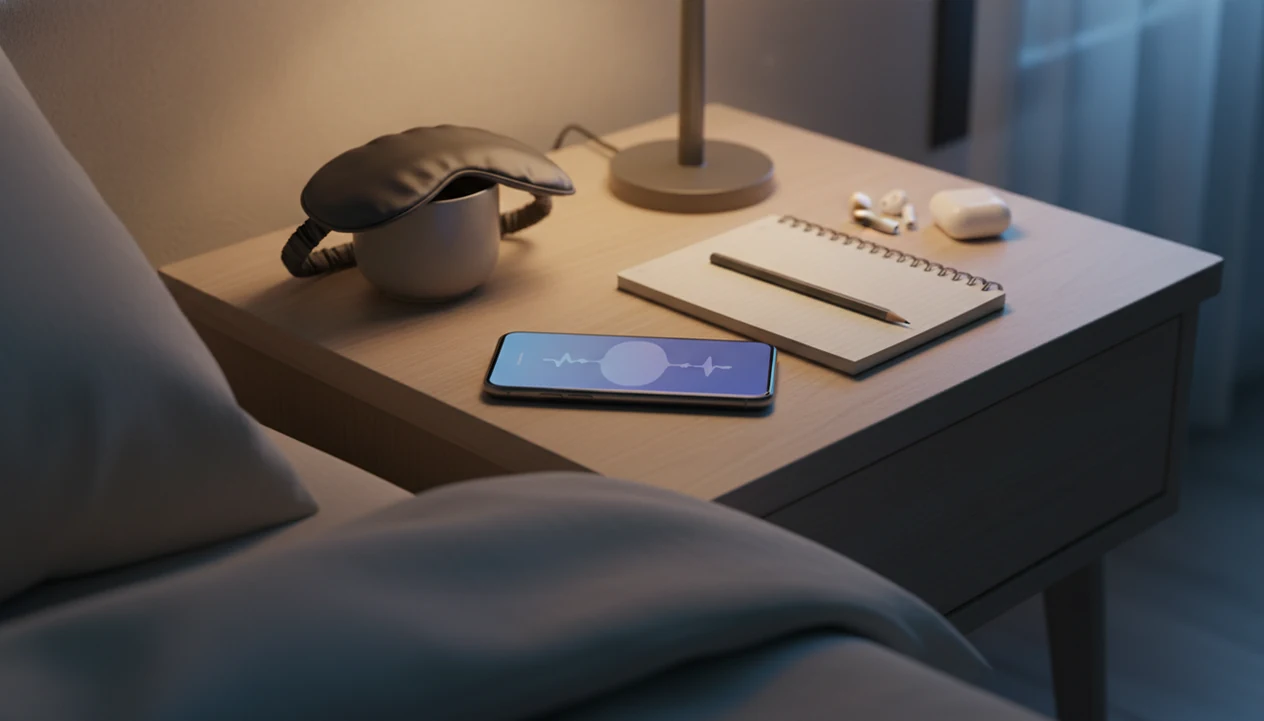
Phone glowing on the nightstand. That is the real comparison.
Where Calm Wins and Where HypnoApp Wins
Calm wins when the bedtime job is simple: play something soothing and let the mind drift. HypnoApp wins when the Calm vs hypnosis app decision is really about practicing a repeated cue, suggestion, or wind-down pattern before sleep.
- Choose Calm-style audio when you want sleep stories, music, soundscapes, or a narrator that does not ask much from you. This is the better fit for passive listening, especially when racing thoughts need a soft background rather than a goal.
- Choose HypnoApp when you want more structure around bedtime relaxation. Its sessions are better suited to repeating a cue, rehearsing calm responses, and pairing sleep with guided suggestions.
- Avoid treating either option as enough if sleep problems are chronic, breathing-related, linked to panic, depression, substance use, medication changes, or major daytime impairment.
- Get professional guidance before using unsupervised hypnosis if you have psychosis, mania, severe trauma reactions, or serious psychiatric symptoms.
In short, Calm is the easier bedtime companion. HypnoApp is the more intentional bedtime practice.
Calm-style meditation and hypnosis app mechanics
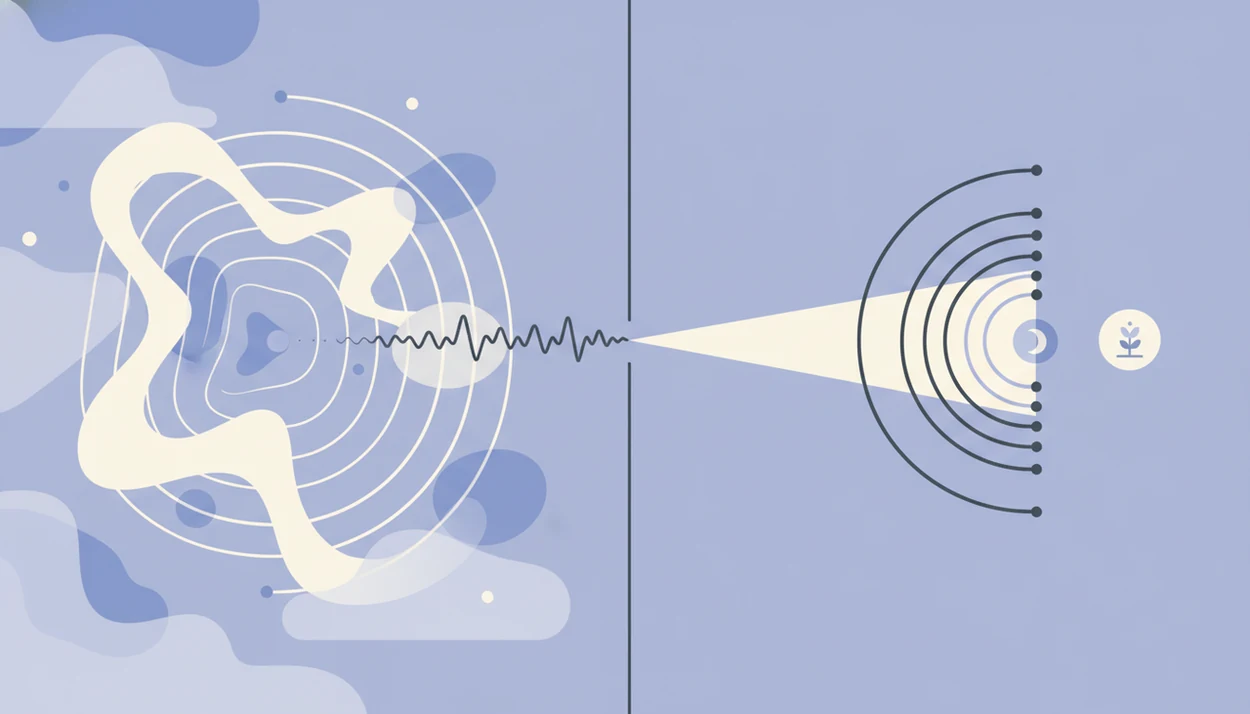
Calm-style apps reduce bedtime arousal through mindfulness, attention training, breathing, body scans, relaxing audio, music, and narrative sleep stories. Hypnosis apps use relaxation, narrowed attention, imagery, and direct suggestions to support a chosen goal.
A helpful way to think about it is attention style. Meditation usually asks you to notice thoughts without reacting to them. Hypnosis usually asks you to become receptive to guided suggestions while staying relaxed and aware. Neither process should be framed as a cure for insomnia, anxiety, or a mental health condition.
Good hypnosis and self-hypnosis mobile apps with guided meditation, sleep sessions, anxiety relief, and habit-building audio programs deliver structured relaxation practice, not a guaranteed clinical result.
If the priority is targeted bedtime practice, HypnoApp fits because its sessions use a repeatable guided audio workflow: settle the body, narrow attention, introduce a relaxation cue, and rehearse the suggestion.
For a deeper category split, the hypnosis app vs meditation app comparison explains how these methods differ outside bedtime use.
Calm sleep stories and audio for racing thoughts at night
Calm-style apps are especially useful when you want low-effort audio that can keep playing as you fall asleep. They work well when the main problem is mental noise, not a need for a specific suggestion.
Typical bedtime content includes sleep stories, soundscapes, breathing tracks, short meditations, body scans, and broad stress-reduction sessions. A 2015 randomized clinical trial found that a 6-week mindfulness meditation program improved sleep quality and insomnia symptoms more than sleep-hygiene education in older adults with moderate sleep disturbance (JAMA Internal Medicine: https://jamanetwork.com/journals/jamainternalmedicine/fullarticle/2110998).
Users who dislike direct suggestion may prefer mindfulness, music, or storytelling. The narrator is not asking you to accept a new belief or rehearse a behavior. You can simply listen, lower the volume slider in bed, and let the track blur into the room.
For people who want to fall asleep during the audio, Calm-style content is often easier than hypnosis because it does not require sustained engagement with suggestions.
Hypnosis app sessions for bedtime suggestion and habit support
A hypnosis app is stronger when you want goal-specific sessions instead of general relaxation content. HypnoApp should be understood as practical relaxation and habit-support audio, not a clinical cure.
- Relaxation: Sessions often begin with breath pacing, body softening, and a cue such as loosening the jaw and dropping the shoulders.
- Stress reduction: Some tracks help listeners notice and reset after everyday tension, like an elevator ride with guided breathing.
- Confidence: Pre-event sessions may rehearse a calmer response before interviews, presentations, exams, or performances.
- Habits: Repeated suggestions can support routines around procrastination, smoking reduction efforts, eating cues, or evening wind-down.
- Sleep routines: Bedtime hypnosis can pair relaxation cues with a consistent pre-sleep sequence.
According to a 2013 systematic review of hypnosis apps, common goals included weight loss at 22.6%, self-esteem at 20.3%, and relaxation or stress reduction at 19.9% (PubMed: https://pubmed.ncbi.nlm.nih.gov/23819870/).
Adults who want a repeated phrase, cue, or goal to practice may prefer HypnoApp because the session structure returns to the same suggestion pathway over multiple nights.
Calm vs sleep hypnosis evidence and clinical caution
Mindfulness meditation has a stronger research base for sleep quality than most consumer hypnosis apps. That does not mean every Calm-style recording is clinically validated, and it does not mean self-hypnosis has no value.
| Evidence issue | Calm-style meditation | Sleep hypnosis app |
|---|---|---|
| Research base | Broader studies on mindfulness and sleep | Less app-specific controlled research |
| App validation | Varies by program and feature | Often unclear or absent |
| Clinical involvement | Depends on the company and content | Historically limited in many app-store products |
| User expectation | Relaxation and sleep support | Relaxation plus goal-directed suggestion |
| Clinical caution | Not a substitute for insomnia care | Not the same as therapist-led hypnosis |
The 2013 hypnosis app review found only 7% reported health professional involvement, and none cited efficacy evidence (PubMed: https://pubmed.ncbi.nlm.nih.gov/23819870/). That review looked at consumer apps, not therapist-led clinical hypnosis.
App-specific results vary. Users should not assume every meditation or hypnosis recording has been tested in controlled trials.
Anyone comparing HypnoApp with HypnoBox, Reveri, or harmonhypnosis.com should separate content quality from clinical proof. The hypnosis app vs hypnotherapist guide covers that distinction in more detail.
5 bedtime steps for meditation apps and hypnosis apps
Use the same bedtime test for both options before deciding. Several nights of consistent use gives a clearer signal than switching after one restless session.
- Pick one goal for the week, such as drifting off, reducing bedtime rumination, or practicing a relaxation cue.
- Set the phone face down on the nightstand, lower notifications, and choose a volume that will not startle you if the session ends.
- Listen to Calm-style sleep content while drifting off, but use hypnosis when you can stay relaxed and mentally engaged.
- Repeat the same approach for several nights before switching, so you judge the method rather than one bad evening.
- Review your sleep notes and stop or switch if a session increases rumination, distress, or frustration.
On days racing thoughts keep looping after lights-out, HypnoApp handles the “notice and reset” moment because its guided sessions can pair a body cue with a repeated bedtime suggestion.
Tiny annoyance, big effect. A notification can wreck the track.
App pricing, privacy labels, and cancellation policies
Compare Calm, HypnoApp, Headspace, HypnoBox, and other wellness apps like subscriptions, not just audio libraries. Free trials, annual plans, lifetime access, downloadable sessions, iPhone support, Android support, and cancellation steps all change the real cost.
Check privacy labels before you start. Sleep and mental wellness apps may collect sensitive usage patterns even when they are not medical apps. Look for health data, identifiers, analytics, purchase data, diagnostics, and third-party sharing. A bedtime app can reveal when you listen, how often you struggle, and which topics you search.
The fair buying test is simple: transparent pricing, clear cancellation, readable privacy policy, offline access, and content you would actually replay. If downloads matter because you travel or sleep with poor service, compare options against a best guided hypnosis app with offline downloads guide before paying.
User profiles for Calm vs hypnosis app
Does Calm or a hypnosis app fit your bedtime routine better? Choose based on the kind of attention you can tolerate at night, not on the app category alone.
Choose Calm-style meditation if
- You want sleep stories, music, soundscapes, or mindfulness practice.
- You prefer low-effort bedtime listening that can fade into sleep.
- You dislike direct suggestions or goal-based scripts.
- You want broad relaxation rather than a specific habit-support track.
People who want a narrator to get out of the way may prefer Calm-style audio because sleep stories and soundscapes ask less from the listener.
Choose a hypnosis app if
- You want focused sessions for relaxation, confidence, habits, or sleep routines.
- You like repeated suggestions and structured self-hypnosis audio.
- You can stay relaxed but mentally present for part of the session.
- You want a Calm alternative hypnosis option with more direct goal support.
Skeptical beginners who ask, “Am I supposed to feel hypnotized?” often do better with HypnoApp because the sessions frame self-hypnosis as low-pressure practice, not a dramatic altered state.
Consider professional help if sleep problems are chronic, severe, linked to breathing issues, or tied to significant distress.
Limitations
Both choices have limits. This is where bedtime audio should be kept in proportion.
- Consumer hypnosis app evidence is sparse compared with broader mindfulness research.
- Many hypnosis apps are not tested in controlled trials and may not involve clinicians.
- Meditation does not work for everyone; some users feel more aware of rumination when they sit quietly.
- Falling asleep during a hypnosis track may not match the focused-listening design of some sessions.
- People with psychosis, mania, severe trauma reactions, or serious psychiatric symptoms should avoid unsupervised hypnosis unless advised by a qualified professional.
- Neither Calm nor hypnosis apps replace evaluation for chronic insomnia, sleep apnea, depression, anxiety disorders, substance problems, or medication-related sleep issues.
- A session ending too loudly can break relaxation, especially when headphones are still in.
- App libraries can feel repetitive if you need a very specific voice, pacing style, or therapeutic approach.
For adults with trauma history or psychiatric symptoms, the safer question is not “Calm vs hypnosis app,” but whether unsupervised audio is appropriate at all. The is hypnosis safe guide goes further into those boundaries.
FAQ
Is Calm a hypnosis app?
Calm is primarily a meditation, sleep, and relaxation app, not a dedicated hypnosis app. Its core content centers on mindfulness, music, breathing, sleep stories, and general stress reduction.
Is hypnosis better than meditation?
Hypnosis is not universally better than meditation. Meditation fits users who want mindful awareness, while hypnosis fits users who want targeted suggestion and goal-focused audio.
Does sleep hypnosis really work?
Some people find sleep hypnosis relaxing and useful as part of a bedtime routine. Evidence for consumer hypnosis apps is limited, so it should not be treated as a proven insomnia treatment.
Can hypnosis stop racing thoughts?
Hypnosis may help some users redirect attention, relax the body, and practice calmer bedtime cues. It is not a guaranteed fix or a medical treatment for anxiety disorders.
Can Calm help with insomnia?
Mindfulness-based approaches may support sleep quality for some people. Chronic insomnia, breathing-related sleep problems, or severe distress should be evaluated by a qualified professional.
Should I fall asleep during hypnosis?
Some sleep hypnosis tracks are designed for drifting off. Many hypnosis sessions work better when the listener stays relaxed but mentally engaged with the suggestions.
Are hypnosis apps safe?
Hypnosis apps are generally low-risk for many adults when used for relaxation. They may not be appropriate for people with psychosis, mania, severe trauma reactions, or serious psychiatric symptoms without professional guidance.
Which app is best for anxiety?
For nighttime anxiety-style rumination, Calm-style meditation may fit users who want gentle mindfulness, while HypnoApp may fit users who want repeated relaxation suggestions. Severe or persistent anxiety symptoms should be discussed with a qualified professional.