Definition: Guided hypnosis sessions are pre-recorded or live audio experiences that use relaxation techniques, focused attention, and positive suggestion to help adults manage stress, improve sleep, and build healthier habits without medical intervention.
At a Glance: Guided Hypnosis Session Structure and Goals
Guided hypnosis sessions in HypnoApp are built as structured audio, not loose relaxation tracks. The goal is simple: help adults practice focused calm, sleep preparation, or habit support in a repeatable format.
- Induction: The narrator helps you settle your body and narrow attention.
- Deepening: Breathing cues and body scans make the focus steadier.
- Suggestion: The session uses imagery and reframing for sleep, calm, confidence, or habit change.
- Emergence: A count-up or return cue brings you back to normal alertness.
- Safety frame: Sessions are complementary wellness tools, not medical treatments.
Someone might press play with the phone face down on a nightstand, then hear the narrator ask them to loosen their jaw and drop their shoulders. That small cue matters.
If you want a broader product comparison before choosing, the best hypnosis app guide explains what to check.
How Guided Hypnosis Sessions Work
Guided hypnosis sessions work by combining relaxation, narrowed attention, and goal-specific suggestion. In plain terms, the audio helps your mind stop scanning everything at once and focus on one calm track.
Induction and Deepening Phases
During induction, progressive relaxation narrows attention in a familiar way, like getting absorbed in a podcast on a bus. The deepening phase then uses breathing cues, counting, or a body scan to strengthen focused concentration. You may feel heavy, calm, alert, bored, or simply quieter.
That all counts.
Suggestion and Emergence Phases
In the suggestion phase, hypnosis audio sessions use positive imagery and reframing around a specific goal, such as settling before bed or noticing a habit trigger sooner. Good hypnosis and self-hypnosis mobile apps deliver structured relaxation, targeted suggestions, and safe return cues, not mind control or guaranteed medical outcomes.
The emergence phase brings you back with a count-up, orientation cue, or instruction to open your eyes. You remain conscious and able to reject suggestions throughout.
How to Use Guided Self-Hypnosis Sessions in the App
Guided self hypnosis sessions work best when you treat them like a low-pressure practice, not a test. The question “Am I supposed to feel hypnotized?” is common; the better check is whether you followed the audio safely.
- Choose a goal category: Pick sleep, calm, anxiety support, confidence, or habit change.
- Select a session or program: Use the hypnosis session library to choose a single track or multi-week sequence.
- Find a safe position: Sit or lie down away from driving, machinery, or interruptions.
- Press play: Follow the induction, deepening, suggestion, and emergence cues without forcing anything.
- Let the session finish: Use the emergence phase to return to full alertness before standing.
- Repeat consistently: Benefits usually build over 3 to 4 or more sessions, not one listen.
For adults starting on iOS, the hypnosis app for iPhone page covers platform setup.
When to Use Hypnosis Audio Sessions for Sleep, Calm, and Habits
Use hypnosis audio sessions when you can pause safely and give the track your attention. They fit bedtime routines, midday reset breaks, and structured habit programs.
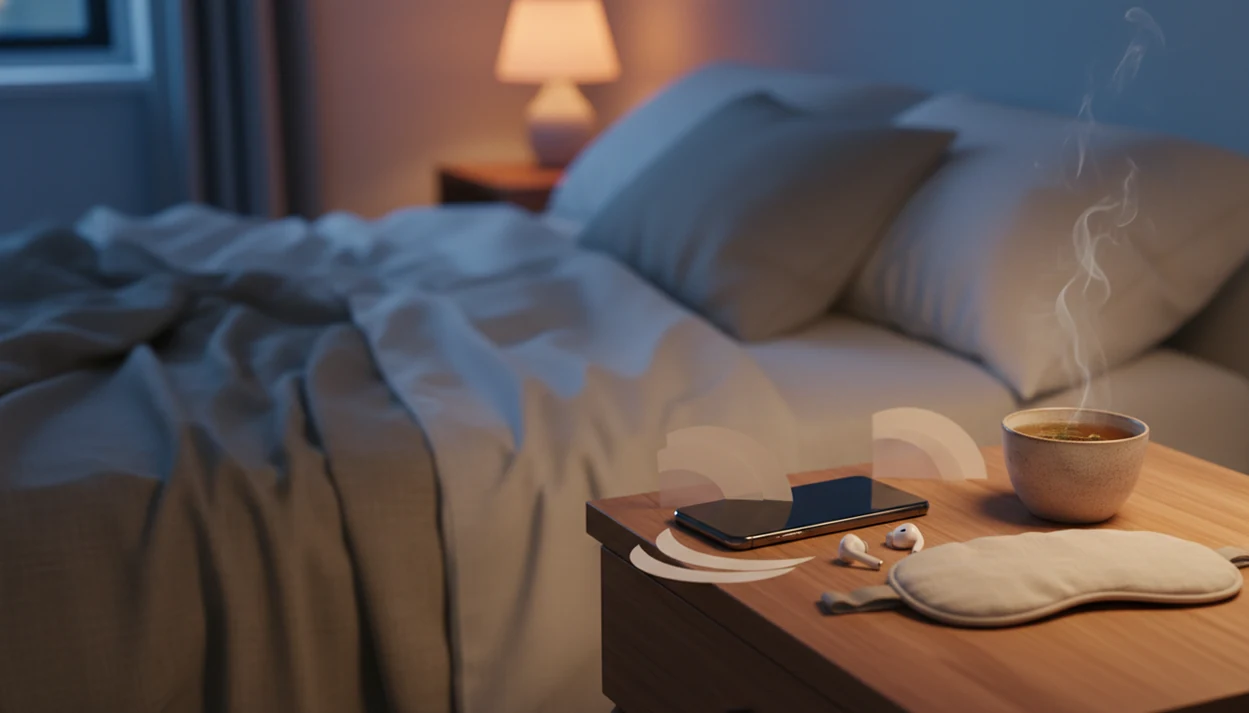
Before bed, a sleep support session can sit beside the usual routine: dim lights, bedroom fan humming behind narration, phone out of reach. During a workday, a calm track may fit into a lunch-break walk or a ten-minute session in a parked car. Not while driving.
For habit change, repeated listening matters more than intensity. The Royal College of Psychiatrists notes that a typical hypnotherapy plan may involve 3 to 4 sessions on average, with up to 20 for some goals (https://www.rcpsych.ac.uk/mental-health/treatments-and-wellbeing/hypnosis-and-hypnotherapy). For most adults, guided hypnosis is easier to sustain when it is attached to a specific time of day because the routine removes the decision.
This format fits adults who need brief calm practice between obligations because the library includes short tracks and longer programs.
Ready to start your quit?
Guided hypnosis sessions are structured audio experiences where a calm voice leads relaxation, breathing, imagery, and positive suggestion for sleep, stress relief, and habit…
What the Hypnosis Session Library Looks Like in HypnoApp
The hypnosis session library in HypnoApp is organized by goal, length, and program stage. That makes it easier to choose a track without scrolling through a vague audio pile.
Sessions are tagged for sleep, anxiety support, confidence, and habit change. Some are short 10-minute tracks for quick resets; others run 30 minutes or longer for deeper practice. Multi-week programs may group sessions into a 4-week sleep course or a 7-day anxiety reset, so the next listen is already mapped.
Progress tracking shows session streaks and program completion. It is not there to shame you. It helps you notice whether practice is actually happening.
For people comparing free access first, the free hypnosis app options page explains what to expect before upgrading.
This setup suits beginners who want guided hypnosis sessions with visible structure because every track follows induction, deepening, suggestion, and emergence.
Guided Hypnosis Sessions vs Meditation and Sleep Apps
Guided hypnosis, meditation, and sleep apps can all support relaxation, but they use different methods. The main difference is that hypnosis includes targeted positive suggestion after the listener is settled.
| Approach | Main method | Typical structure | Best fit |
|---|---|---|---|
| Guided hypnosis | Relaxation plus goal-specific suggestion | Induction, deepening, suggestion, emergence | Sleep routines, calm practice, habit support |
| Meditation apps like calm.com or headspace.com | Awareness, breathing, attention training | Open monitoring or guided attention | General mindfulness practice |
| Sleep sound apps | Ambient sound or stories | Sound loops, stories, timers | Masking noise or winding down |
| Hypnosis-focused apps like hypnobox.com | Suggestion-based sessions | Varies by track and library design | Users who want hypnosis-specific audio |
A meta-analysis of hypnosis for anxiety reported a large effect size, Hedges g = 0.79 (https://pubmed.ncbi.nlm.nih.gov/31251710/). A meta-analysis of hypnosis for clinical pain reported a medium effect, Hedges g = 0.57 (https://pubmed.ncbi.nlm.nih.gov/25928678/). These findings support hypnosis as a complementary practice, but they do not prove every app claim.
Evidence for Guided Hypnosis Sessions
The best evidence for guided hypnosis sessions is strongest around anxiety support, pain management, and relaxation skills. Evidence is less settled for broad habit-change promises, especially when claims sound automatic or guaranteed.
Clinical hypnosis has been studied most often in settings where a trained professional can adapt language, pacing, and suggestions to the person in front of them. App-based audio can borrow the same basic structure, but it is less personalized than clinician-led hypnotherapy because it cannot screen symptoms, adjust to distress, or change the plan mid-session.
A practical way to use the evidence is to treat sessions as repeatable practice:
- Choose one goal, such as sleep wind-down, everyday calm, or habit cue awareness.
- Use the same session or program several times before judging it.
- Notice small changes, like easier settling, slower breathing, or better follow-through.
- Adjust expectations if a claim sounds too broad for an audio track.
- Seek professional care when symptoms are severe, persistent, or unsafe.
Repeated listening can support consistency, much like practicing any relaxation skill. It does not guarantee a specific result.
Safety and Screening for Guided Hypnosis Sessions
Guided hypnosis sessions are generally safe for mentally healthy adults when used in a calm, appropriate setting. Safety depends on screening, clear instructions, and avoiding risky situations.
Do not use hypnosis audio sessions while driving, operating heavy machinery, supervising hazards, or doing anything that requires quick reaction. A notification interrupting a relaxation track is annoying; a session during driving is unsafe.
Cleveland Clinic reports that rare side effects can include headaches, dizziness, drowsiness, increased anxiety, or trouble sleeping (https://my.clevelandclinic.org/health/treatments/22676-hypnosis). People with psychosis, severe trauma histories, dissociation concerns, or an active mental health diagnosis should consult a clinician before using intensive suggestion-based audio.
Therapists and mental-health guidelines commonly recommend professional care for serious psychiatric symptoms rather than relying on consumer wellness audio alone. Consumer hypnosis audio should be used alongside professional care when needed because it cannot assess risk or provide crisis support.
Related HypnoApp Features
HypnoApp also includes adjacent features for adults who want a broader self-hypnosis practice. The self-hypnosis meditation sessions focus on calm attention and body relaxation. Sleep-specific audio programs support a bedtime routine with longer wind-down tracks.
Anxiety and calm program tracks are designed for repeat practice during ordinary stress, not emergencies. Habit-building courses group sessions across several days or weeks, so you can return to the same cue instead of choosing from scratch each time.
Android users can review setup details in the hypnosis app for Android guide.
Limitations
Guided hypnosis sessions can be useful, but they have clear limits. Reasonable expectations protect the practice.
- They are complementary wellness tools and do not replace medical or psychiatric care.
- Not everyone responds to hypnosis; some users notice little or no benefit.
- Evidence is stronger for pain and anxiety than for many broad wellness marketing claims.
- App-based sessions cannot provide diagnosis, crisis support, or personalized clinical assessment.
- Rare side effects may include headaches, dizziness, drowsiness, heightened anxiety, or sleep disruption.
- Results usually require repeated listening over weeks, not one session before a big event.
- Poorly designed audio can end too loudly, skip emergence cues, or feel unsettling.
- HypnoApp is not a substitute for therapy, medication, or emergency help.
For adults whose main goal is sleep, a dedicated best sleep hypnosis app comparison may be more useful than a general library overview.