Self-Hypnosis Success Stories With Realistic Context
Self-hypnosis success stories are most useful when they show the person’s routine, expectations, obstacles, and other supports, not just the outcome. Treat each story as an individual self-hypnosis experience, not a typical result or guarantee.
> Definition: A self-hypnosis app provides guided audio sessions that use relaxation, attention cues, imagery, and suggestion to support goals such as sleep wind-down, stress coping, confidence, or habit practice. App-based self-hypnosis should be treated as supportive practice, not medical treatment.
TL;DR
- The strongest self hypnosis experiences include timing, frequency, goal, setbacks, and what changed outside the app.
- Guided hypnosis results can feel meaningful for relaxation, sleep routines, anxiety coping, confidence, and habit support, but outcomes vary widely.
- Hypnosis app stories are personal examples, not clinical proof that any app works for every user.
What self-hypnosis success stories can and cannot prove
Self-hypnosis success stories are individual accounts of guided audio, repeated practice, and perceived change. They can show how a person used sessions in real life, but they cannot prove typical results for everyone.
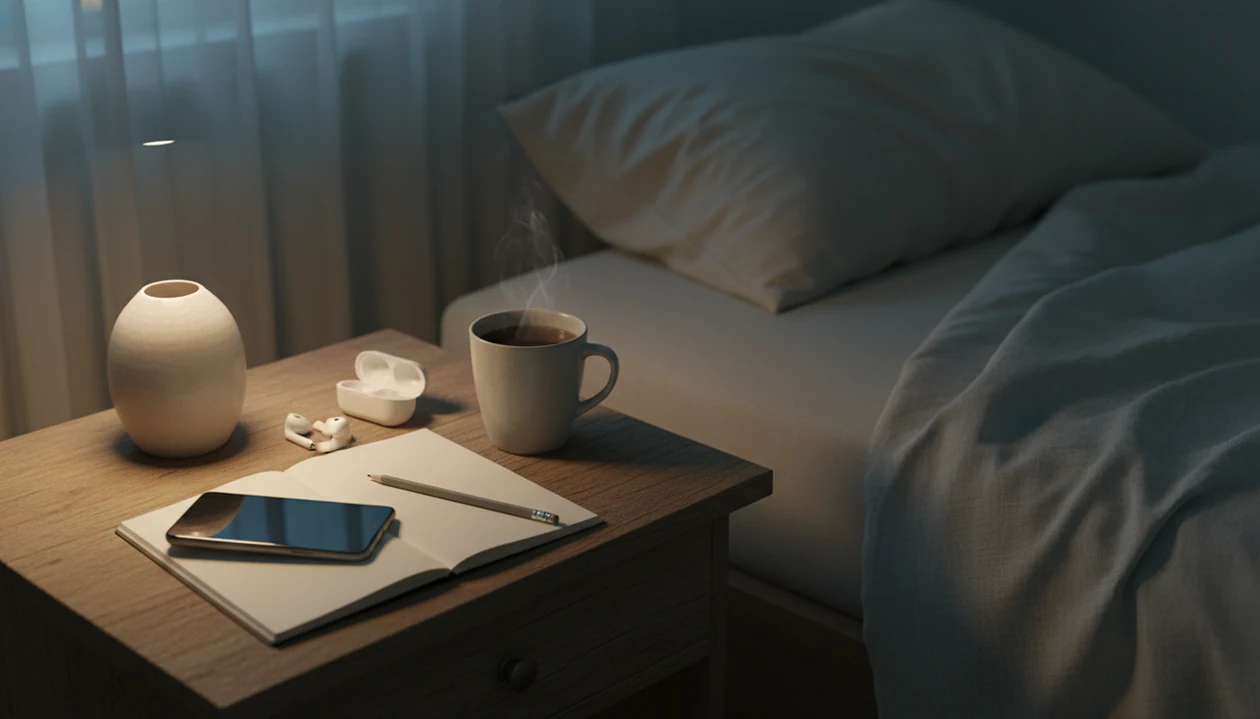
A useful story tells you what the person practiced, how often they listened, and what else was happening. Maybe they used earbuds on a bus before work. Maybe they pressed play with the phone face down on a nightstand. Those details matter.
That does not mean the app caused every change. Self-reported outcomes can be shaped by expectations, placebo effects, better timing, therapy, sleep hygiene, exercise, or a quieter week at work. A story can be honest and still be incomplete.
How self-hypnosis apps work during guided hypnosis results
Self-hypnosis apps usually work by guiding attention, relaxation, breathing, imagery, and repeated suggestion. The listener is normally aware and in control, not unconscious or “taken over.”
In practice, a guided audio session might ask you to loosen your jaw, drop your shoulders, slow your breathing, and picture a calmer response. Those prompts create a relaxation cue. With repetition, the cue can become familiar enough to use before sleep, a meeting, or a habit you are trying to change.
Good hypnosis and self-hypnosis mobile apps with guided meditation, sleep sessions, anxiety relief, and habit-building audio programs deliver structured practice and repeatable cues, not guaranteed clinical outcomes.
A helpful way to think about it is habit loops. The session becomes a cue, the relaxed state becomes the routine, and the perceived benefit becomes reinforcement. For a deeper plain-language explanation, read what happens when you practice self-hypnosis.
Method behind these self hypnosis experiences
The stories below are realistic composite-style vignettes based on common user patterns. They are not promises, clinical case reports, or guaranteed guided hypnosis results.
- Starting goal: Each story begins with a specific aim, such as sleep wind-down, stress coping, or confidence practice.
- Session pattern: The examples track frequency, duration, and how long the person practiced.
- Obstacles: Each vignette includes friction, such as inconsistency, interruptions, or expecting too much too soon.
- Outside supports: The stories note habits like breathing, journaling, planning, or reducing late-night phone use.
- Perceived result: Each outcome is described as the person’s report, not proof that the app caused the change.
Read each story as a way to evaluate what may shape self hypnosis experiences. Serious medical, pain, addiction, or mental health concerns should be handled with qualified professional care, with self-hypnosis used only as support when appropriate.
Story 1: Maya’s sleep-focused hypnosis app story
Maya was a busy adult who started using a sleep-focused guided hypnosis session after several restless weeks. Her goal was not to force sleep. It was to create a clearer bedtime routine.
She listened for 15 to 20 minutes most nights for about four weeks. The bedroom fan hummed behind the narration, and she kept the phone across the room after playback. Early on, she still checked messages after the session. Some nights, late caffeine made the audio feel useless.
The shift was gradual. Maya reported that she wound down faster and had fewer nights where she felt fully alert at midnight. She also stopped treating every session like a test.
That part matters.
This is a realistic sleep hypnosis app story because the change involved both the session and the surrounding routine. For adults comparing longer practice windows, self-hypnosis benefits after 30 days gives better context than a single dramatic night.
Story 2: Jordan’s anxiety-coping guided hypnosis results
Jordan used short calming sessions before stressful meetings and during commute days. The pattern was simple: 10 minutes most weekdays, plus breathing exercises when tension rose.
- Goal: Jordan wanted better coping before meetings, not a complete removal of anxiety.
- Routine: Sessions happened before calendar-heavy mornings, often with one earbud in before leaving the apartment.
- Practice cue: The narrator’s breathing count became easier to recall outside the app.
- Result: Jordan felt more prepared and less reactive, but still had anxious days.
- Clinical context: A clinical review noted anxiety reductions in about 75% of studies examined, especially in structured therapeutic protocols, but that does not prove the same effect for a standalone app. See the review abstract here: PubMed.
Clinicians typically recommend professional assessment and evidence-based care for severe, persistent, or impairing anxiety. Self-hypnosis may be a coping aid, not a replacement. For anxiety-related goals, the most defensible expectation is improved preparation and relaxation practice, not the disappearance of fear.
Story 3: Priya’s confidence and habit-building self-hypnosis experience
Priya started with confidence sessions before a new presentation routine. She did not expect a personality transformation. Her plan was smaller: listen, rehearse one action, and write down the next step.
For three weeks, she played a 12-minute confidence session four evenings a week. She paired it with notes for a short team update and a five-minute journal entry. On presentation days, the water bottle beside the podium became part of her grounding routine.
The outcome was modest but meaningful. Priya avoided fewer preparation tasks and followed through more often. She still felt nervous, especially when the room was quiet.
A guided self-hypnosis app can support this kind of low-pressure practice when the story goal matches the session category. App store success stories often focus on lifestyle and well-being goals, such as self-esteem, relaxation, and habits. They should not be read as medical treatment claims.
Common patterns in credible hypnosis app stories
Credible hypnosis app stories include routine details, not just dramatic before-and-after claims. The useful parts are frequency, session length, goal fit, and how long the person practiced.
- Practice frequency: A story that says “15 minutes nightly for three weeks” is more useful than “it changed everything.”
- Script fit: Results may differ when the session directly matches the goal, such as sleep, confidence, or cravings.
- Expectation level: A skeptical beginner asking, “Am I supposed to feel hypnotized?” may need clearer guidance before judging results.
- Repetition: Self hypnosis experiences often depend on repeated cues, not one impressive session.
- Evidence limits: A 2013 systematic review of 407 hypnosis apps found only 7.5% mentioned health care professional involvement and less than 1% reported scientific testing of effectiveness source.
Most credible stories sound ordinary. A train seat, an offline session, a missed day, a restart. That is often more trustworthy than a polished miracle claim.
How to use self-hypnosis success stories realistically
Use self-hypnosis stories as comparison tools, not forecasts. The aim is to borrow useful routine details while keeping reasonable expectations.
- Match the goal in the story to your goal, such as sleep wind-down, confidence, stress coping, or habit support.
- Check the routine details, including session length, frequency, time of day, and how long the person practiced.
- Notice outside supports, such as therapy, breathing exercises, journaling, sleep changes, movement, or medication.
- Test a low-pressure routine for one to two weeks without treating every session as a pass-fail event.
- Review small changes, such as easier wind-down, less avoidance, or better preparation.
- Stop and seek support if sessions intensify distress, disrupt care, or feel unsafe.
For a simple starting structure, a 7-day self-hypnosis challenge can help you test consistency before drawing conclusions.
What guided hypnosis results do not show
A compelling story does not isolate the app as the cause of change. It shows one person’s experience inside a larger life context.
- Cause is unclear: Therapy, medication, sleep hygiene, exercise, journaling, timing, or a calmer work period can all shape results.
- Clinical hypnosis differs from app use: Structured treatment protocols often include trained professionals, screening, and follow-up.
- Broader evidence exists: A meta-analysis of 26 studies found that adding hypnosis to cognitive-behavioral therapy produced a medium effect size improvement over CBT alone. Source: Kirsch et al., Journal of Consulting and Clinical Psychology.
- Pain research is not app proof: Reviews of chronic pain studies report moderate to large reductions for some patients, but results vary by condition and protocol. For broader pain evidence, cite a review such as PubMed.
- App stories are narrower: They often describe motivation, relaxation, and routine support rather than measured clinical outcomes.
The most common medically supported way to treat significant anxiety, pain, insomnia, or addiction is professional care combined with appropriate self-management tools. A hypnosis app may sit beside that plan, not replace it.
Limitations
Self-hypnosis stories can be useful, but they have real limits. Keep these caveats in view before relying on any testimonial.
- Most hypnosis apps have limited or no published clinical validation.
- Individual responsiveness to hypnosis varies, even with consistent practice.
- Self-hypnosis is not a replacement for professional treatment for serious mental health, addiction, pain, or medical conditions.
- Testimonials can be affected by expectation, selection bias, placebo effects, and concurrent life changes.
- Dramatic stories online may overrepresent unusually positive outcomes.
- A session can be interrupted by notifications, loud endings, or a script that does not fit the listener.
- Some people feel frustrated when relaxation does not happen quickly, which can make the practice feel like another task.
- Anyone with trauma symptoms, severe anxiety, psychosis, suicidal thoughts, or escalating distress should seek qualified support before using hypnosis audio.
For many adults, self-hypnosis works best as a low-pressure practice alongside ordinary routines. For broader context, compare stories with measured self-hypnosis benefits.
FAQ
Are self-hypnosis stories real?
Some self-hypnosis stories are genuine personal reports from people who felt meaningful changes. They still cannot prove typical results or show that the app caused the outcome.
Do hypnosis apps work?
Some users find hypnosis apps helpful for relaxation, sleep routines, confidence, and habit support. App-specific clinical evidence is limited, so outcomes should not be assumed.
How fast does self-hypnosis work?
Some people notice relaxation during the first few sessions. Habit-related changes usually require repeated practice over days or weeks.
Can self-hypnosis improve sleep?
Self-hypnosis may support a calmer bedtime wind-down routine. It should not be presented as a cure for insomnia or persistent sleep disorders.
Can self-hypnosis reduce anxiety?
Self-hypnosis may help some adults practice coping, breathing, and relaxation. Persistent, severe, or impairing anxiety warrants professional support.
Is self-hypnosis dangerous?
Self-hypnosis is generally low risk for many adults when used appropriately. People with severe distress, trauma symptoms, psychosis, or medical concerns should use caution and seek guidance.
Why did self-hypnosis not work?
Common reasons include inconsistent practice, mismatched scripts, unrealistic expectations, high distress, and individual responsiveness. A different routine or professional support may be needed.
Are guided hypnosis results permanent?
Guided hypnosis results may fade without continued habits and practice. Long-term outcomes vary by person, goal, and surrounding support.