What Is a HypnoApp and What Can It Do?
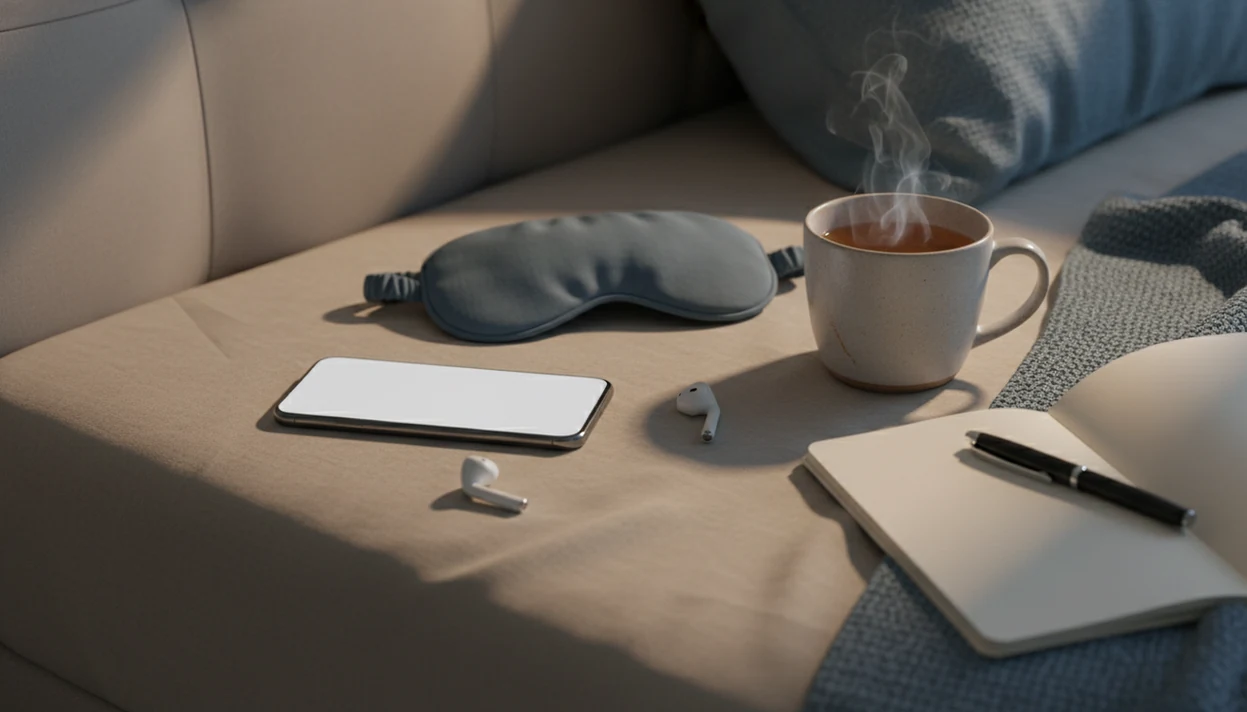
If you are asking what is a hypnosis app, it is a mobile app that uses guided audio to help adults enter a relaxed, focused state for wellness goals such as sleep, stress reduction, confidence, or habit support. It is not stage hypnosis, medical diagnosis, crisis care, or a replacement for therapy.
In this article, 'hypnosis app' means the consumer wellness category, not proof that any specific app has been clinically tested. That distinction matters because app-store listings often mix relaxation, meditation, hypnotherapy language, and medical-sounding claims.
> Definition: A hypnosis app is a mobile wellness tool that provides guided hypnosis, self-hypnosis, meditation, or sleep audio sessions for adults seeking relaxation, focused attention, and habit support.
TL;DR
- A hypnosis app usually means guided hypnosis or self-hypnosis audio delivered through a phone or tablet.
- Most hypnosis apps are wellness tools for relaxation, sleep, stress, confidence, and habit support, not licensed medical treatment.
- Users remain aware and in control during hypnosis; the app guides attention and relaxation rather than taking over the mind.
Hypnosis app definition for guided audio wellness
What is a hypnosis app? A hypnosis app is mobile guided audio for relaxation, focused attention, and adult wellness goals, usually delivered through a phone or tablet.
Most sessions combine spoken guidance, calming music, breathing cues, imagery, and positive suggestions. The narrator may ask you to loosen your jaw, drop your shoulders, picture a calmer scene, or repeat a simple phrase silently. You are not meant to disappear into the audio. You listen, choose, notice, and reset.
A hypnosis app is usually a self-hypnosis tool, not formal clinical hypnotherapy. That distinction matters. Clinical hypnotherapy may involve assessment, tailoring, and follow-up with a qualified professional; an app provides general sessions for common goals.
Users remain aware, able to stop, and able to reject suggestions. Good hypnosis and self-hypnosis mobile apps with guided meditation, sleep sessions, anxiety relief, and habit-building audio programs deliver structured relaxation practice, not medical certainty or control over the mind.
How a self hypnosis app works in the mind and body
A self hypnosis app works by guiding focused attention, relaxation, and narrowed awareness. In plain terms, it helps you stop scanning everything at once and pay attention to one calming track.
The app usually uses voice-led pacing, imagery, repetition, breathing, and suggestion. A narrator may slow the tempo, invite a longer exhale, and then connect that relaxed state to a goal, such as settling before sleep or rehearsing a steady presentation. That process overlaps with behavioral rehearsal and habit loops. The cue, routine, and reward become easier to notice.
It can feel close to meditation, but hypnosis is often more goal-directed. Meditation may ask you to observe thoughts; hypnosis may add suggestions like “when you notice tension, soften your shoulders.” For a deeper mechanism guide, the same idea is unpacked in how self hypnosis apps work.
No app changes the subconscious automatically. Phone face down on a nightstand, volume low, the session still depends on attention, repetition, and reasonable expectations.
Five facts about hypnosis app meaning and realistic results
A hypnosis app is best understood as a guided-audio wellness format with uneven evidence, not a treatment category. These five facts define what the term usually means in practice.
- Most hypnosis apps deliver guided hypnosis or self-hypnosis audio for wellness goals. In a 2013 systematic review of 407 hypnosis apps, common stated goals included weight loss, self-esteem, and relaxation or stress reduction source.
- Hypnosis is focused attention plus relaxation. It is not unconsciousness, mind control, or a hidden switch in the brain.
- Hypnosis apps do not diagnose or replace clinicians. Use professional care when symptoms are severe, persistent, risky, or medically complex.
- App quality varies widely. The same review found that only 7% of apps stated health care professional development, and none had been scientifically tested for effectiveness.
- Effects differ by person. A guided audio session usually works best alongside sleep hygiene, therapy, medical care, or habit changes when those supports are needed.
A progress ring after a session can feel satisfying. It is still practice, not proof of treatment.
Common self hypnosis app examples adults use
Adults usually use self-hypnosis apps for specific listening situations, not abstract “mind training.” These categories are common, though they should be treated as wellness support rather than medical treatment.
- Sleep wind-down sessions: These use slower narration, body relaxation, and imagery. A listener might set a sleep timer for twenty minutes and let the voice replace late-night rumination.
- Stress relaxation sessions: These often guide breathing, muscle release, and a short reset during a lunch break or after a difficult call.
- Confidence sessions: These may rehearse calm posture, steady breathing, and a future event, such as speaking with a laptop open to presentation notes.
- Habit-support sessions: These connect a cue with a planned response, like pausing before snacking or starting a task.
- Focus sessions: These may use imagery and repetition to help with study blocks or work sprints.
Some apps offer programs for smoking, overeating, or anxiety relief. Read those claims carefully.
Named consumer examples in the broader hypnosis-app category include Reveri, Nerva by Mindset Health, and meditation apps that publish hypnosis-style sleep or relaxation tracks; their evidence levels and medical positioning differ.
Hypnosis app vs meditation app vs hypnotherapy
Hypnosis apps, meditation apps, clinical hypnotherapy, and stage hypnosis can all involve attention, but they are not the same format. The boundary is practical: who guides it, why it is used, and whether care is individualized.
| Category | Format | Purpose | User control | Appropriate use |
|---|---|---|---|---|
| Hypnosis app | General guided audio | Relaxation, sleep, confidence, habits | User can stop or reject suggestions | Adult wellness and self-care routines |
| Meditation app | Awareness or relaxation audio | Mindfulness, calm, breathing, presence | User observes and chooses | Daily attention practice or stress self-care |
| Clinical hypnotherapy | Professional session | Tailored support for health or psychological goals | Collaborative and monitored | Use with a qualified clinician |
| Stage hypnosis | Live performance | Entertainment | Participant can refuse or stop | Shows, not private care |
The Mayo Clinic describes hypnosis as a technique used alongside standard treatments for issues such as anxiety, sleep problems, pain, smoking, and overeating source. The Royal College of Psychiatrists notes that responses to hypnosis vary and advises caution for people with psychosis or certain severe mental health conditions source. For app-specific overlap, compare hypnosis app vs meditation app.
When a guided hypnosis app applies and when it does not
When should an adult use a guided hypnosis app? It may fit when the goal is relaxation, a bedtime routine, stress self-care, confidence practice, or a simple habit cue.
A helpful way to use one is low-pressure practice:
- Choose one goal before pressing play, such as sleep wind-down or pre-event calm.
- Set a safe listening context where you are not driving, supervising risk, or needing fast reactions.
- Lower the volume enough that the ending does not jolt you awake.
- Notice your response during and after the session, including tension, comfort, boredom, or distress.
- Stop the session if fear, dissociation, intrusive memories, or unsafe impulses increase.
Apps may complement therapy, lifestyle changes, or medical care if a clinician agrees. Clinicians typically recommend hypnosis as an adjunct, not a stand-alone replacement, when symptoms involve anxiety, insomnia, pain, smoking, overeating, or eating disorder concerns. For mild bedtime restlessness, a guided session is often easier than silent meditation because the voice gives the mind a track to follow.
How to Use a HypnoApp
Use a hypnosis app as a calm, repeatable listening routine, not as a test of whether you can “go under.” The goal is to create a safe context, follow the audio lightly, and notice whether it supports the wellness aim you chose.
- Choose one goal before you start, such as falling asleep, settling after stress, or practicing confidence before an event. A single aim keeps the session from becoming a general search for a feeling.
- Pick a safe setting where quick reactions are not needed. Do not listen while driving, cooking over heat, supervising risk, or doing anything that requires alert attention.
- Set the sound comfortably with headphones or low speaker volume only if that feels pleasant. If earbuds feel intrusive, use the phone speaker and keep the device nearby.
- Listen without forcing a trance state or judging every thought that passes through. Wandering, boredom, or partial attention can still be part of practice.
- Stop immediately if distress, dissociation, intrusive memories, or unsafe impulses increase. Repeat sessions only as practice and routine support, not as evidence that clinical treatment is happening.
Common myths about what a hypnosis app can do
Misunderstandings about hypnosis apps usually come from stage shows, bold app-store copy, or old movie scenes. The safer view is less dramatic.
| Myth | Fact |
|---|---|
| A hypnosis app can take over your mind. | Users remain aware and can stop, ignore, or reject suggestions. |
| Hypnosis apps make people unconscious. | Most people hear the voice and remember at least parts of the session. |
| Any hypnosis app is clinically proven. | Many consumer apps have little or no direct testing. |
| A self hypnosis app can cure serious conditions by itself. | Apps may support routines, but serious symptoms need qualified care. |
| App-based hypnosis is the same as professional hypnotherapy. | Professional care can assess risk, tailor sessions, and monitor response. |
The beginner question is common: “Am I supposed to feel hypnotized?” Usually, no special feeling is required. Sometimes it just feels like lying still while a calm voice gives your attention somewhere to rest. That counts as practice.
Limitations
Consumer hypnosis apps have real limits, and those limits should be visible before anyone relies on one. A calendar alert before a reset break is useful; it is not clinical monitoring.
- Consumer hypnosis app evidence is limited, and many specific apps lack direct trials.
- A 2013 review found that only 7% of hypnosis apps stated health care professional development, and none had been scientifically tested for effectiveness.
- Apps cannot diagnose conditions, personalize treatment, monitor risk, or provide crisis support.
- Hypnosis may be unsuitable for people with psychosis or severe mental illness unless supervised by a qualified professional.
- Be skeptical of bold cure claims, guaranteed weight loss, guaranteed smoking cessation, or medical promises.
- Seek professional help for severe anxiety, depression, trauma symptoms, eating disorder symptoms, substance dependence, suicidal thoughts, or worsening sleep.
- Stop using a session if it increases distress, fear, dissociation, intrusive memories, or unsafe behavior.
- A notification interrupting a relaxation track can break the effect. Practical friction matters too.
For many adults, a hypnosis app is a habit-support tool, while professional care fits symptoms that need assessment, safety planning, or treatment decisions.
FAQ
Do hypnosis apps really work?
Some users find hypnosis apps helpful for relaxation, sleep routines, and habit cues. App-specific evidence is limited, so results vary.
Are hypnosis apps safe?
Hypnosis apps are generally low-risk for many adults when used for relaxation. They are not suitable for every mental health situation.
Can hypnosis apps treat anxiety?
A hypnosis app may support relaxation for mild stress or anxious feelings. It should not replace anxiety diagnosis, therapy, or medical treatment.
Is self hypnosis real?
Self-hypnosis is a focused-attention practice using relaxation and suggestion. The user stays aware and can stop.
Can hypnosis apps help sleep?
Bedtime hypnosis audio may help some adults wind down. Persistent insomnia or worsening sleep needs professional evaluation.
Are hypnosis apps mind control?
No. Users remain aware, in control, and able to stop or reject suggestions.
Is a hypnosis app the same as hypnotherapy?
No. Apps provide general guided sessions, while hypnotherapy is individualized care from a qualified professional.
Who should avoid hypnosis apps?
People with psychosis, severe mental illness, trauma distress, crisis symptoms, or unsafe reactions should seek professional advice first. HypnoApp and similar tools are for adult wellness support, not emergency care.