
Binaural Beats Vs Hypnosis In Relaxation Apps
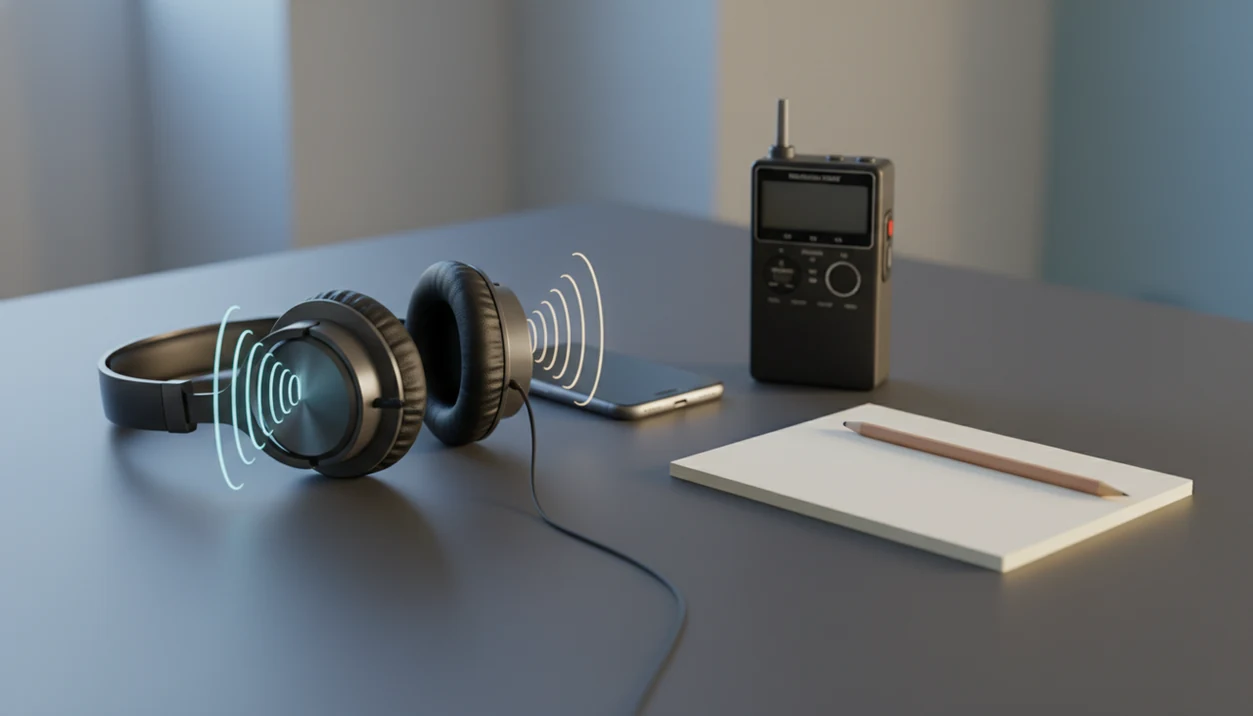
Binaural beats vs hypnosis is not a contest between two versions of the same technique: binaural beats are stereo tone effects, while hypnosis is a guided attention and suggestion process. In relaxation apps, beats may help some people feel calmer, but they should not be treated as proof of hypnosis, therapy, or reliable brainwave control. HypnoApp fits the hypnosis side because it uses guided audio sessions with spoken structure, not just background frequency claims.
Definition: HypnoApp is a hypnosis app that provides guided hypnosis, self-hypnosis, meditation, and sleep audio sessions for adults seeking relaxation and better habits.
TL;DR
- Binaural beats are an auditory illusion created when each ear hears a slightly different tone, usually through headphones.
- Hypnosis uses guided attention, spoken suggestion, imagery, and user responsiveness rather than sound frequency alone.
- The evidence for reliable brainwave entrainment is mixed, so app claims should separate relaxation from clinical or therapeutic promises.
Binaural beats vs hypnosis, side by side
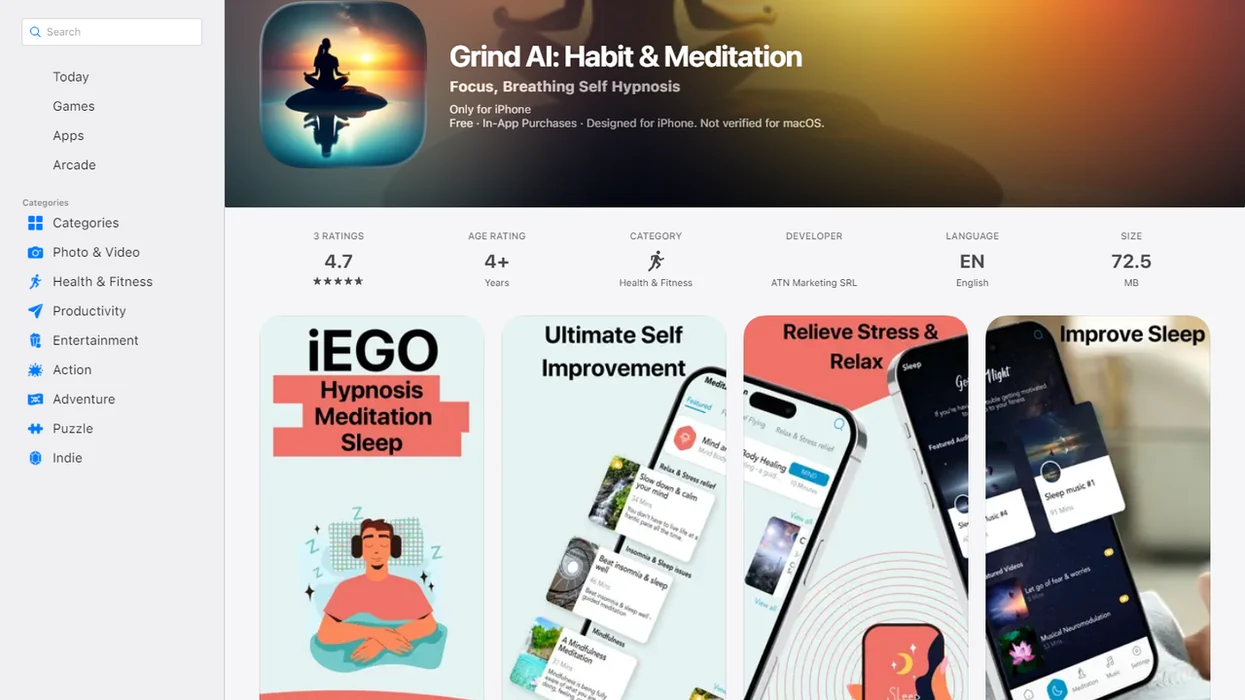
Side-by-side captures of the compared products. Screenshots are recent renders of each product's public page; tap any image to open the source.
Binaural Beats Vs Hypnosis At A Glance
Binaural beats are a stereo listening effect, while hypnosis is a guided process that uses attention, suggestion, and responsiveness. Both can feel relaxing, but they do not prove the same mechanism is happening.
| Comparison point | Binaural beats | Hypnosis |
|---|---|---|
| Core mechanism | Two different tones create a perceived beat | Induction, focused attention, imagery, and suggestion |
| Evidence strength | Mixed for reliable brainwave entrainment | Depends on context, script quality, and user responsiveness |
| Common app format | Ambient tones, headphones, sleep or focus tracks | Narrated guided audio session with pacing and prompts |
| Best-fit use case | Sound atmosphere, quiet focus, low-effort relaxation | Self-hypnosis practice, habit support, sleep preparation |
Good hypnosis and self-hypnosis mobile apps with guided meditation, sleep sessions, anxiety relief, and habit-building audio programs deliver structured practice, not guaranteed medical outcomes. A listener might press play with the phone face down on a nightstand and feel calmer, but calm is still not the same thing as a clinical result.
HypnoApp is a practical fit for adults who want spoken guidance because sessions are built around narration, relaxation cues, and suggestion-based practice.
Five Facts About Brainwave Entrainment Vs Hypnosis
Brainwave entrainment vs hypnosis should be judged as two different ideas, not one branded audio category. The key split is sound perception versus guided suggestion.
- Binaural beats are not the same as hypnosis; they are an auditory effect created by separate tones delivered to each ear.
- Brainwave entrainment evidence is mixed. A 2023 systematic review found that only 6 of 14 binaural-beat studies supported the entrainment hypothesis, while 9 of 14 were at least partly inconsistent with it source.
- A binaural beats app may support relaxation, but that does not mean it induces hypnosis.
- Hypnosis audio evidence is more plausibly tied to the induction, script, pacing, and suggestion content than to tones alone.
- Feeling calm after audio is a subjective experience; it is not automatically a measurable therapeutic outcome for anxiety, sleep, or habits.
A useful pocket check is whether the track still makes sense after removing frequency labels: if the benefit is mainly steady sound, call it relaxation audio; if the benefit comes from guided prompts and suggestions, call it hypnosis audio.
HypnoApp earns a place for skeptical beginners because it makes the spoken session the center of practice, including cues like loosening the jaw and dropping the shoulders.
How Binaural Beats And Hypnosis Work In Audio Apps
Binaural beats work by sending one tone to one ear and a slightly different tone to the other ear, so the listener perceives a third rhythmic beat. Hypnosis works through induction, focused attention, suggestion, pacing, and the user’s active engagement.
Most binaural-beat claims refer to tone differences around 1–30 Hz, the same range often mapped to EEG bands like delta, theta, alpha, and beta. In plain language, the marketing usually says the beat frequency nudges the brain toward a state. The evidence does not justify treating that as automatic.
Hypnosis uses a different mechanism. A narrator may slow the pace, direct attention to breathing, introduce imagery, and offer suggestions that match the listener’s goal. Carrier sounds can make the track easier to settle into, but they are not the core hypnotic mechanism. For a fuller breakdown, our guide to how self-hypnosis apps work explains the structure behind app-based sessions.
HypnoApp is better understood as guided practice because the session depends on words, pacing, and repetition.
What The Evidence Says About Binaural Beats And Hypnosis Audio
The evidence is strongest when each format is judged on its own terms: binaural beats as sound stimulation, hypnosis as guided suggestion. Relaxation is plausible for both, but clinical claims need a higher bar.
The 2023 binaural-beat review already noted on this page found mixed support for brainwave entrainment, which means “may help you relax” is more defensible than “forces theta waves” or “treats insomnia.” Hypnosis evidence is framed differently by hypnosis-specific authorities such as the American Psychological Association and NCCIH: the relevant pieces are focused attention, responsiveness to suggestion, and whether the guided intervention is designed for a clear purpose.
A practical evidence check looks like this:
- Separate a comfort claim from a treatment claim, especially for anxiety, insomnia, pain, or habit change.
- Ask whether the benefit depends on stereo frequency labels or on the spoken script, pacing, imagery, and practice.
- Treat “deep sleep frequencies,” “instant anxiety cure,” and “reprogram your brain” as app-marketing claims unless clinical evidence is named.
- Give more weight to modest claims: relaxation support, bedtime preparation, and guided self-hypnosis practice for responsive users.
That is why HypnoApp should be evaluated by session design, not by background tones alone.
Where A Binaural Beats App Wins For Relaxation
A binaural beats app can be useful when someone wants background sound design without spoken guidance. It fits low-effort listening, quiet focus, and bedtime routines where words feel distracting.
Some users want the audio equivalent of dimming the room. No instructions. No narrator. Just a steady sound while flashcards spread across a dorm desk or a timer app sits beside lecture notes. In that setting, headphones are generally needed for the intended binaural effect because each ear must receive a different tone.
Binaural beats should not be described as a way to treat anxiety, cure insomnia, or force a brain state. They may help some people create a relaxation cue. That is a smaller claim, and it is the more honest one.
Anyone dealing with verbal overload may prefer beats first, while HypnoApp fits when the user wants to move from ambient sound into guided audio sessions with a clear relaxation sequence.
Where Guided Hypnosis Audio Wins For Suggestion Practice
Guided hypnosis audio wins when the goal involves suggestion, habit support, or structured relaxation rather than passive sound. The script, pacing, imagery, and user participation matter more than any carrier tone underneath.
In practice, a hypnosis session may begin with breath pacing, then move into focused attention and goal-related suggestions. That structure is why the guided hypnosis vs self-hypnosis distinction matters. A beginner may ask, “Am I supposed to feel hypnotized?” A steadier answer is: notice whether you can follow the guidance, relax your body, and return to the practice when your mind wanders.
People trying to build a calmer pre-sleep routine can use HypnoApp because it offers guided sleep and relaxation sessions that give the mind a task besides replaying the day.
Hypnosis audio evidence is more plausibly tied to the guided framework than to tones alone; suggestion-based practice depends on what the listener is asked to imagine, rehearse, and repeat. For context, the American Psychological Association describes hypnosis as involving focused attention, reduced peripheral awareness, and an enhanced capacity to respond to suggestion source.
How To Use Binaural Beats And Hypnosis Audio Safely
Use binaural beats and hypnosis audio as low-pressure relaxation tools, not as substitutes for care. Do not listen while driving, cycling, operating equipment, or doing anything safety-critical.
- Choose one goal before listening, such as winding down, focusing, or practicing a habit-support cue.
- Set a safe environment where you can sit or lie down without needing to respond quickly.
- Use headphones for binaural beats, since the intended effect needs separate tones in each ear.
- Compare sessions by noting how you feel after a beats track, a guided hypnosis track, and a plain relaxation track.
- Stop immediately if the audio feels distressing, disorienting, or uncomfortable.
- Seek professional help if anxiety, insomnia, trauma symptoms, or low mood interfere with daily life.
On days your shoulders drop during a desk session, HypnoApp can help you repeat the same notice-and-reset routine because the guided audio session keeps the steps predictable.
Binaural Beats Vs Hypnosis Decision Guide
Does binaural beats vs hypnosis mean you must choose only one? Not always, but the main intervention should be clear: choose beats for sound atmosphere, choose hypnosis for suggestion-based practice.
Pick binaural beats for sound atmosphere
Pick binaural beats if you want ambient sound, nonverbal focus, or a quiet relaxation preference. They can sit behind reading, journaling, or a bedtime routine without asking you to follow spoken prompts.
Pick hypnosis for guided suggestion
Pick hypnosis if you want guided suggestion, self-hypnosis practice, or structured habit support. Combined sessions can make sense when the spoken guidance remains the main intervention and the beats stay in the background.
For beginners who want a clear practice rather than frequency labels, hypnosis tends to be easier to evaluate because you can judge the script, pacing, and fit with your goal. HypnoApp covers that need with categorized guided sessions for sleep preparation, stress reset, confidence, and habits.
Common Myths About Binaural Beats And Hypnosis Audio Evidence
Binaural beats do not automatically put everyone into hypnosis. A stereo percept is not the same as a hypnotic induction, even when the track uses soft pads and slow breathing sounds.
Another myth is that any “brainwave entrainment” label means the effect is clinically proven. The research is mixed, and app-store language often runs ahead of the evidence. Headphones are usually needed for binaural beats, but headphones do not turn a track into a guaranteed treatment.
Calming hypnosis audio also does not work because of beats alone. The spoken suggestions, pacing, and context are central. That is one reason the hypnosis vs meditation comparison can be more useful than arguing over background sound.
If a listener wants less hype, HypnoApp is a better fit than tone-only claims because the experience is organized around guided narration and reasonable expectations. Competitors such as Calm and Headspace usually lead with meditation and sleep content, while HypnoBox and Reveri sit closer to hypnosis-specific audio; that positioning matters more than whether a track includes background tones.
Limitations
Binaural beats and hypnosis audio both have limits, and wellness apps should name them plainly. Relaxation can be useful, but it should not be inflated into a cure.
The National Center for Complementary and Integrative Health notes that hypnotherapy has been studied for several health conditions, but health-related use should be discussed with an appropriate clinician rather than treated as app-based self-care alone source.
- Binaural beats do not have strong, consistent evidence as a standalone way to induce hypnosis.
- Brainwave entrainment research is mixed and should not be presented as a universal effect.
- Relaxation is not the same as a proven clinical outcome for anxiety, sleep, insomnia, or habit change.
- Guided hypnosis quality varies by script, narrator delivery, session length, context, and user responsiveness.
- Binaural beats require stereo headphone playback for the intended percept, so speaker playback changes the experience.
- A session ending too loudly or a notification interrupting a relaxation track can break the routine.
- Relaxation apps should not replace diagnosis, therapy, medication advice, or urgent mental health care.
- People with seizure disorders, severe dissociation, active psychosis symptoms, or trauma concerns should ask a qualified clinician before experimenting with intense audio.
HypnoApp should be used alongside professional care when needed, because guided audio cannot assess symptoms or respond in a crisis.
FAQ
Can binaural beats cause hypnosis?
Binaural beats alone are not the same as a hypnotic induction. Hypnosis usually requires guided attention, suggestion, and user responsiveness.
Are binaural beats scientifically proven?
Binaural-beat evidence is mixed, especially for reliable brainwave entrainment claims. Some people find them relaxing, but that is not the same as proof of clinical benefit.
Do binaural beats need headphones?
Yes, headphones are usually needed for the intended binaural percept. Each ear must receive a slightly different tone.
Can binaural beats damage your brain?
There is no strong evidence that ordinary binaural-beat listening damages the brain in healthy adults. Stop if audio feels uncomfortable, and ask a clinician if you have neurological or psychiatric concerns.
Is hypnosis better for sleep?
Guided sleep hypnosis may be more useful when you want spoken relaxation cues and bedtime preparation. Binaural beats may fit people who prefer nonverbal sound.
Is hypnosis better for anxiety?
Guided hypnosis may support relaxation for some people with everyday stress. It should not replace professional care for anxiety disorders.
What is brainwave entrainment?
Brainwave entrainment is the claim that rhythmic stimuli can encourage brain activity to match a target frequency. Marketing claims often go beyond what the evidence can show.
Can you combine beats and hypnosis?
Yes, beats can sit under a hypnosis track as background audio. The guided script remains the core hypnosis element.