
Sleep Hypnosis Timeline: What Beginners Can Realistically Expect
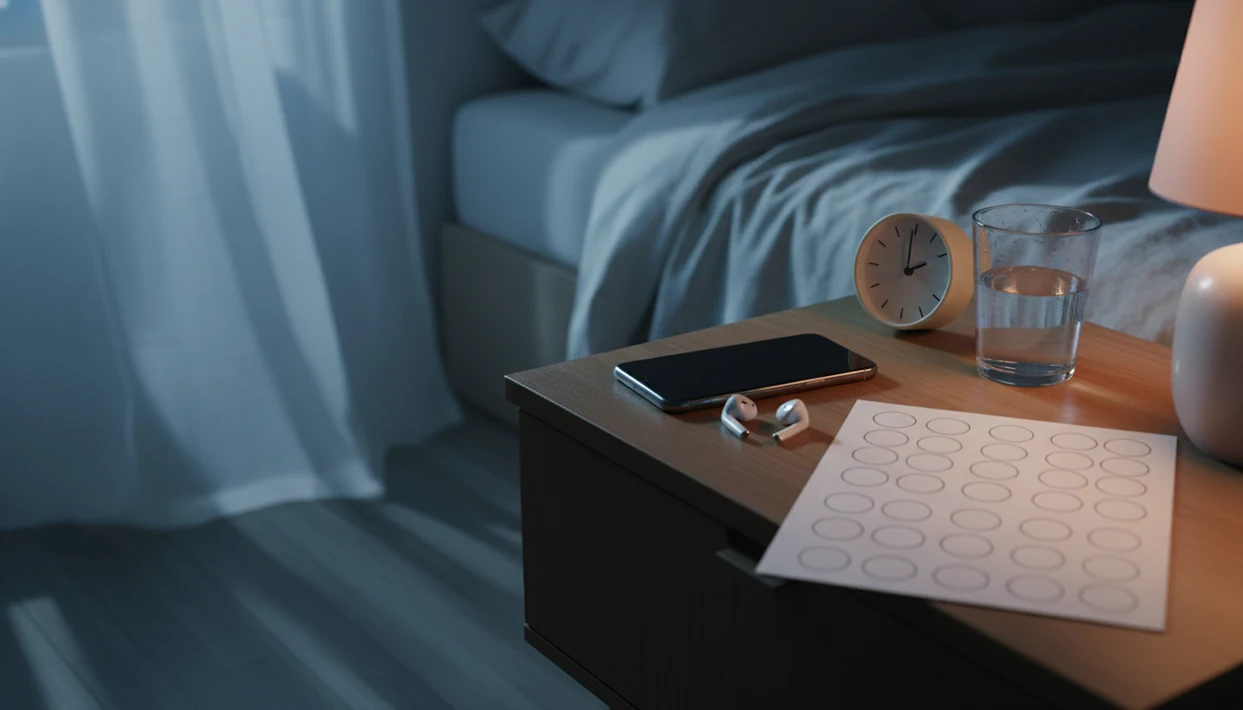
A sleep hypnosis timeline is best measured in repeated practice over days and weeks, not one perfect night. Most beginners notice relaxation first, then more consistent bedtime conditioning after one to four weeks, while deeper sleep, anxiety, or habit changes vary widely by person.
> Definition: Sleep hypnosis is a guided relaxation and suggestion practice used at bedtime to support calmer arousal, sleep-friendly routines, and healthier sleep expectations without replacing clinical sleep care.
TL;DR
- The first sessions usually produce relaxation before measurable sleep changes.
- Sleep hypnosis after one week may feel easier and more familiar, but stable bedtime hypnosis progress often takes four or more weeks.
- Persistent insomnia, breathing issues, severe anxiety, depression, or trauma symptoms should be discussed with a qualified clinician.
Sleep Hypnosis Timeline Facts Beginners Should Know First
- There is no universal sleep hypnosis timeline. Responsiveness, sleep history, stress level, goals, and consistency all change the pace.
- Relaxation may arrive before sleep changes. The first useful sign is often a looser jaw, slower breathing, or less bedtime resistance, not instant deep sleep.
- A 4 to 8 week mindset is more realistic than a one-night test. Many clinical hypnosis or sleep-related protocols run for several weeks, so a month gives patterns time to show.
- Sleep problems are common. About 10 to 30% of adults experience insomnia, depending on the definition, and surveys often find occasional insomnia symptoms in roughly 30 to 40% of adults.
- Guided sleep hypnosis is a support practice, not medical treatment. Audio-based relaxation programs can structure bedtime practice, but they do not diagnose conditions, provide emergency care, or guarantee an insomnia cure.
The first few nights can feel ordinary. Phone face down, room dark, narrator speaking slowly. That still counts as practice.
Sleep Hypnosis Mechanisms During Bedtime Practice
Sleep hypnosis works by combining attention narrowing, relaxation cues, calming imagery, and sleep-supportive suggestions into a guided bedtime practice. In plain terms, it gives the mind fewer things to chase while the body practices winding down.
Repeated listening can create associative conditioning, which means the audio, voice, breathing pace, and bedroom setting start to signal “sleep routine” over time. A narrator asking you to loosen your jaw and drop your shoulders is not controlling you. It is giving a repeatable relaxation cue.
The goal is reduced arousal, not stage hypnosis. “Am I supposed to feel hypnotized?” is a normal beginner question. Many people simply feel quieter, heavier, or less pulled into planning tomorrow.
The American Psychological Association notes that hypnosis responsiveness varies, with only about 10 to 15% of people being highly responsive and a similar share relatively unresponsive source. That range is one reason timelines differ so much.
Sleep Hypnosis Routine Setup Before Night One
Choose one sleep goal before night one. It might be falling asleep with less tension, reducing bedtime rumination, or building a calmer routine you can repeat without negotiating with yourself at 12:40 a.m.
Set the audio safely. Use earbuds, sleep headphones, or a bedroom speaker at a comfortable volume, and never listen while driving or when you need to stay alert. If a session ending too loudly would jolt you awake, test the volume before getting under the blanket.
The room matters too. Keep sleep timing consistent when possible, reduce late caffeine, dim bright light, and stop scrolling before the guided audio starts. A helpful setup may be as simple as a water glass beside the morning session plan and a charger across the room.
People with suspected sleep apnea, restless legs, severe insomnia, depression, PTSD, or safety concerns should seek clinical support. Clinicians typically recommend medical evaluation or behavioral sleep care when sleep problems persist or impair daytime functioning.
6 Sleep Hypnosis Steps for Bedtime Hypnosis Progress
For beginners, bedtime hypnosis progress usually comes from repeating one simple routine long enough to judge it fairly. Switching tracks every night after one poor result makes it hard to know what helped.
- Set a realistic goal for the next week, such as feeling calmer before sleep rather than sleeping perfectly.
- Choose one audio and keep it consistent for several nights, using a beginner sleep hypnosis guide if you want guided structure.
- Prepare the room by lowering lights, setting the volume, and placing the phone face down on the nightstand.
- Start before exhaustion so you can follow the first few minutes without fighting panic or frustration.
- Repeat for one to four weeks before judging the whole method.
- Log small changes such as calmer breathing, fewer clock checks, or less dread at bedtime.
Guided sleep audio can support adult bedtime practice, but it should be treated as a routine aid rather than a cure.
First Night Sleep Hypnosis Expectations
What should happen during the first sleep hypnosis session? The first night may bring relaxation, heaviness, slower breathing, wandering thoughts, or simply learning the format.
Falling asleep before the end is fine. Staying awake is also fine. The session has not failed just because you heard the final sentence or noticed the rain sounds under a quiet voice.
Some people feel awkward at first. The pacing may seem too slow, the suggestions may feel unfamiliar, or the mind may keep checking whether anything is “working.” That checking habit is common.
A 2014 randomized crossover trial found an 81% increase in slow-wave sleep after hypnotic suggestions compared with a control text, but the study involved highly suggestible young women source. It should not be read as a promise of immediate deep sleep for every listener.
Sleep Hypnosis After One Week of Listening
What is sleep hypnosis after one week supposed to feel like? Many beginners notice easier relaxation, a stronger routine association, less resistance to bedtime, or slightly faster sleep onset.
That does not mean anxiety, rumination, or habit shifts will be stable yet. A week is often enough to make the format less strange, but not always enough to change a long-running sleep pattern. The empty ceiling stare may still happen.
Lack of dramatic change is common and does not automatically mean sleep hypnosis is useless for you. Review the practical pieces first: consistency, session choice, caffeine timing, screen use, alcohol, stress, and bedtime variability.
For people using a phone at night, the setup details can matter as much as the script. Our guide on how to do sleep hypnosis with phone covers safer playback, volume, and interruption settings.
Four-Week Sleep Hypnosis Timeline for Stable Routine Change
A four-week sleep hypnosis timeline gives beginners enough nights to see patterns without treating one bad session as failure. It fits better with multi-week clinical protocols than one-night reset claims.
| Timeline stage | What may change | What to track |
|---|---|---|
| Nights 1 to 3 | Familiarity with the voice, pacing, and body cues | Awkwardness, relaxation, whether you finish the audio |
| Days 4 to 7 | Stronger bedtime association | Time to unwind, clock checking, bedtime resistance |
| Weeks 2 to 3 | Clearer routine patterns | Awakenings, perceived calm, next-day energy |
| Week 4 and beyond | Evaluation and adjustment | Whether to continue, change audio, or seek support |
Research on hypnosis for anxiety and depression is encouraging but not the same as app-based sleep treatment evidence. Track bedtime calm, fewer spirals, and recovery after rough nights.
Nights 1-3: Familiarity
Expect the first few nights to feel like learning the route. The voice, pauses, and suggestions may be new, and your mind may comment on all of it.
Days 4-7: Conditioning
By the end of the first week, the same audio can become a bedtime cue. Earbuds on a bus are different; keep sleep sessions tied to the bed when possible.
Weeks 2-4: Pattern Review
Weeks two through four are better for judging bedtime hypnosis progress. For many beginners, repeated practice is more useful than changing methods after every restless night because the routine itself needs time to become familiar.
Common Sleep Hypnosis Timeline Myths
- The three-night cure myth: Sleep hypnosis should not be expected to fix chronic insomnia in a few nights. Persistent insomnia often needs behavioral sleep care, medical review, or both.
- The “I stayed awake, so it failed” myth: Hearing the whole session does not mean nothing happened. Relaxation and expectation changes can build before sleep onset changes.
- The identical progress curve myth: Every listener does not move through the same timeline. Hypnosis responsiveness, stress, medications, pain, and sleep habits all matter.
- The replacement myth: Sleep hypnosis cannot replace treatment for sleep apnea, PTSD, major depression, or chronic insomnia.
- The reality-shifting myth: Reality-shifting, quantum-jumping, and overnight rewiring claims are not the same as evidence-aligned sleep hypnosis.
A microphone check behind closed curtains may calm a speaker before a presentation. Bedtime hypnosis works more like that rehearsal cue than a switch that forces sleep.
Bedtime Hypnosis Progress Signals Worth Tracking
Track bedtime hypnosis progress lightly. Useful signals include subjective calm before sleep, time spent tossing and turning, number of awakenings, morning refreshment, and willingness to maintain the routine.
Progress can look modest. Less bedtime dread is progress. So is recovering faster after a bad night instead of treating it as proof that the whole week is ruined.
Use a simple 1 to 5 nightly rating if detailed tracking makes you anxious. Write one number and one short note, such as “3, calmer but woke twice.” Done.
If there is no benefit after two to four weeks, consider changing the audio, timing, or room routine. People comparing tools may find a sleep hypnosis tool comparison useful, but ongoing insomnia or daytime impairment still deserves clinical support.
Common Sleep Hypnosis Mistakes and Troubleshooting
Most sleep hypnosis problems come from timing, inconsistency, or interruptions rather than a single “bad” session. Troubleshoot the routine before deciding the whole method cannot work for you.
- Start earlier than the point of full frustration. If you wait until you are angry at the clock, the first minutes of audio have to compete with panic, resentment, and mental math.
- Keep one session for several nights unless it is clearly unpleasant or unsafe. Repetition gives the voice, pacing, and room cues time to become familiar.
- Track lightly instead of turning the log into another bedtime test. A quick number and one phrase are usually enough; detailed spreadsheets can make sleep feel like homework.
- Remove interruptions before pressing play. Set the volume low but audible, choose comfortable earbuds or a speaker, silence notifications, and avoid autoplay surprises.
- Check the bigger sleep picture if progress stays flat. Late caffeine, alcohol, pain, breathing pauses, restless legs, shift work, or irregular wake times can overpower a calming script and may need practical or clinical support.
Limitations
Sleep hypnosis has real limits, and those limits should shape your expectations before you start.
- Direct research on digitally delivered sleep hypnosis timelines is limited, so many expectations are inferred from broader hypnosis, hypnotherapy, and insomnia research.
- Hypnosis responsiveness varies, and some people may notice little benefit even with consistent use.
- Sleep hypnosis is not a cure for sleep apnea, restless legs syndrome, circadian rhythm disorders, chronic pain, PTSD, major depression, or severe insomnia.
- Short-term relaxation does not guarantee long-term sleep improvement.
- Poor sleep hygiene, caffeine, alcohol, irregular schedules, stress, and untreated mental health issues can overpower any audio routine.
- Claims about instant reality shifting, quantum jumping, or overnight rewiring are not supported as clinical sleep outcomes.
- If sleep problems persist for several weeks or cause daytime impairment, seek medical or behavioral sleep support, including CBT-I guidance where appropriate.
Guided hypnosis audio can support a bedtime routine, but it is not a substitute for diagnosis, therapy, or sleep medicine care.
FAQ
How long does sleep hypnosis take to work?
Relaxation may happen during the first session, but durable sleep changes often take one to four weeks of consistent practice. Some people need longer, and some notice little benefit.
Can sleep hypnosis work on the first night?
Sleep hypnosis can help some people feel calmer on the first night. It should not be expected to produce guaranteed deep sleep immediately.
What happens after one week of sleep hypnosis?
After one week, many people notice the audio feels more familiar and the wind-down routine feels easier. Sleep onset, anxiety, and awakenings may still vary.
Should I fall asleep during a sleep hypnosis session?
Falling asleep during a sleep hypnosis session is fine. Staying awake through the session does not mean it failed.
Why is sleep hypnosis not working for me?
Common reasons include inconsistent use, late caffeine, phone scrolling, irregular bedtimes, low hypnosis responsiveness, or an underlying sleep disorder. A notification interrupting a relaxation track can also break the routine.
Can hypnosis cure insomnia?
Hypnosis may support relaxation and sleep-friendly expectations, but it should not be described as a cure for chronic insomnia. Persistent insomnia should be discussed with a qualified clinician.
Is it safe to listen to sleep hypnosis every night?
Nightly bedtime listening is generally low-risk for adults when used at a safe volume and not during activities that require alertness. Medical, trauma-related, or severe mental health concerns need professional care.
When should I get medical help for sleep problems?
Seek clinical support if sleep problems last several weeks, impair daytime functioning, involve breathing pauses, or come with severe distress. A bedtime audio routine may be supportive, but it should not delay medical evaluation.