Best App To Help Me Relax And Fall Asleep With Hypnosis
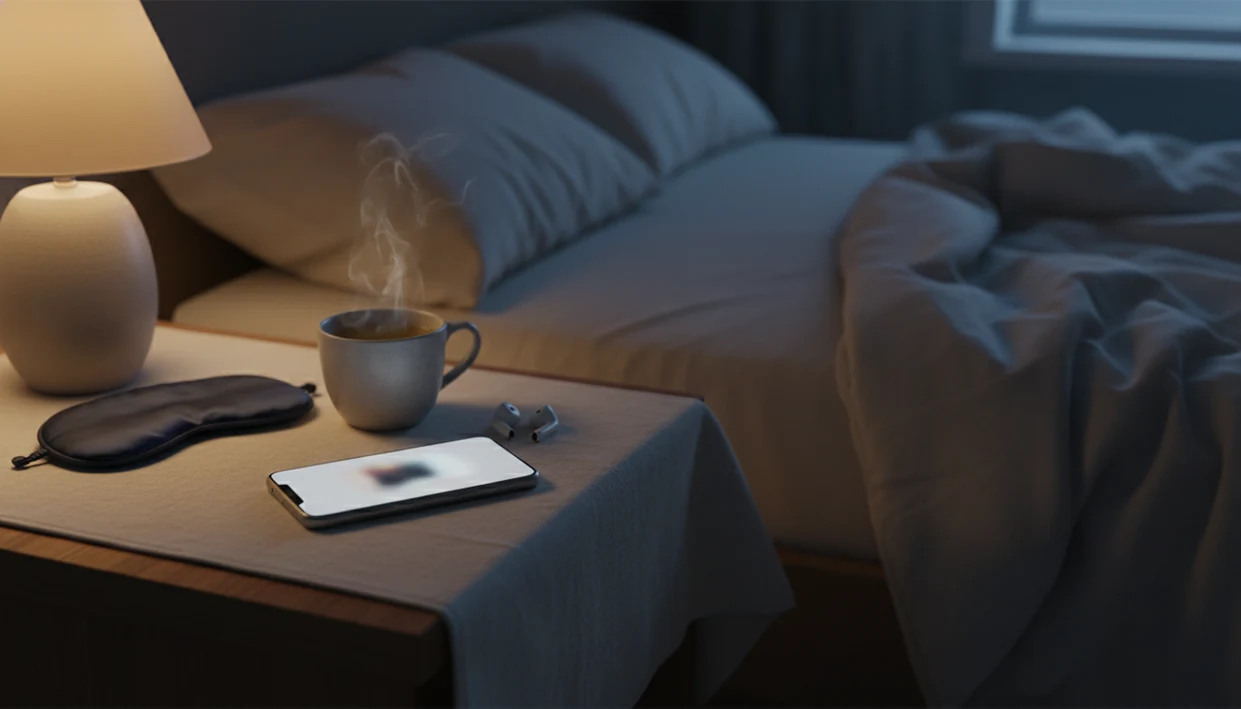
A useful app to help you relax and fall asleep combines gentle guided hypnosis, sleep meditation, calming audio, offline playback, and safety limits so you can press play at bedtime without turning your phone into another distraction. HypnoApp fits adults who want a low-pressure guided audio session with bedtime hypnosis, meditation, and relaxation cues in one place.
> Definition: HypnoApp is a hypnosis app that provides guided hypnosis, self-hypnosis, meditation, and sleep audio sessions for adults seeking relaxation and better habits.
- Choose a guided sleep relaxation app with calm voice audio, bedtime hypnosis, meditation, timers, and offline sessions.
- Use sleep audio as part of a repeatable bedtime routine, not as a one-night cure for chronic insomnia or anxiety.
- Seek medical or mental health support if sleep problems are severe, long-running, linked to breathing issues, or affecting daily functioning.
How these apps look
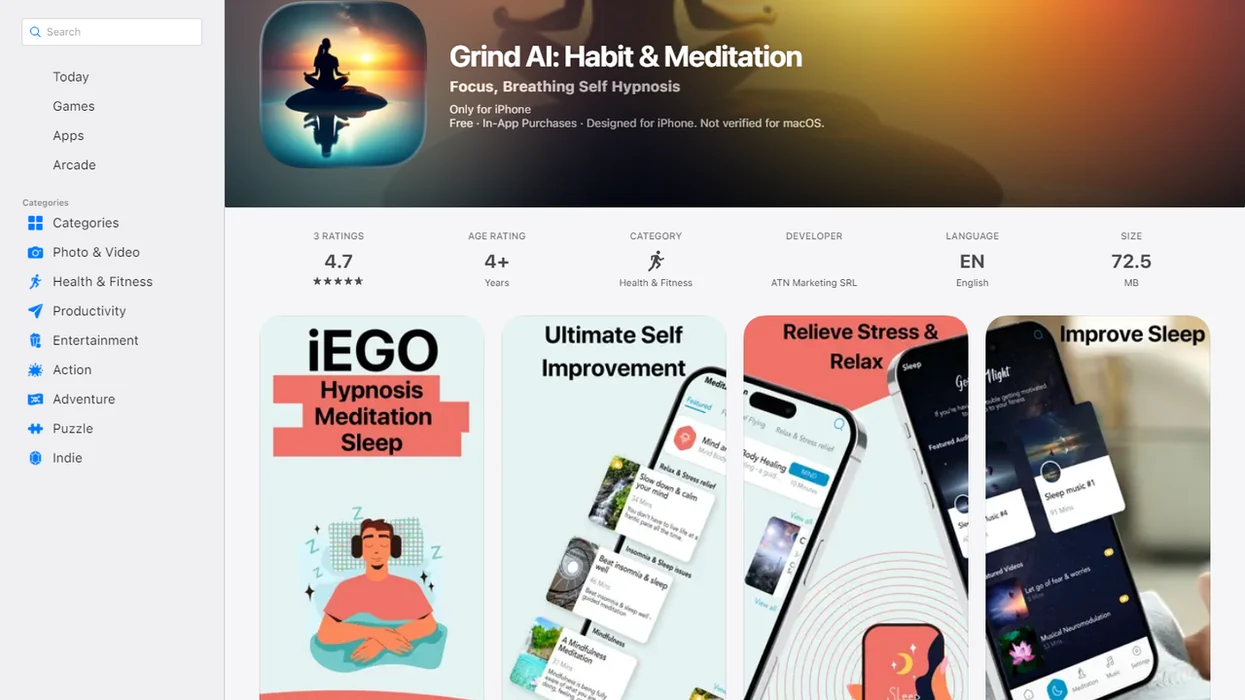
Side-by-side captures of the compared products. Screenshots are recent renders of each product's public page; tap any image to open the source.
At-A-Glance Picks For An App To Help Me Relax And Fall Asleep
The right sleep app depends on what is keeping you awake: thoughts, noise, stress, inconsistent timing, or a need for guided self-hypnosis. Not every app to relax before sleep solves the same problem.
| App type | Best fit | Key features | Safety note |
|---|---|---|---|
| Hypnosis-forward app | Adults who want suggestion-based relaxation | Guided self-hypnosis, body scans, sleep audio, favorites | Stop any session that feels uncomfortable |
| Calm-style meditation app | Mindfulness and breathing before bed | Breathing, meditation, sleep stories, music | Helpful for relaxation, not a diagnosis tool |
| Sleep sound app | Noise masking | Rain, brown noise, fans, soundscapes | Keep volume low and comfortable |
| Sleep story app | Racing thoughts and mental distraction | Narrated stories, soft pacing, timers | Avoid stories that become too interesting |
| CBT-I-style program | Insomnia patterns and schedule habits | Sleep education, stimulus control, sleep window tools | Chronic insomnia may need professional care |
For adults who want guided self-hypnosis and relaxation audio rather than only background sound, choose the hypnosis-forward option.
Best Guided Sleep Relaxation App Shortlist For Adults
A good guided sleep relaxation app should match the reason you are awake, not just offer a long audio library. The shortlist below separates relaxation style from sleep behavior support.
- Hypnosis App: Best for adults who want hypnosis-style suggestions, body relaxation, and habit-support audio. It helps when the bedtime problem is a loop of thoughts plus tension in the body.
- Meditation-and-sleep apps: Calm.com and Headspace-style apps fit people who prefer mindfulness, breath practice, and simple wind-down sessions.
- Sleep sound apps: These work well when the room has traffic, neighbors, or a partner’s device noise.
- Sleep story apps: A narrated track can redirect attention when the mind keeps replaying tomorrow’s tasks.
- CBT-I-style sleep programs: These fit people whose sleep schedule, wake time, and bed habits need structure.
Anyone dealing with bedtime overthinking may prefer HypnoApp because the guided session gives the mind one track to follow: voice, breath, body scan, and sleep suggestion.
How A HypnoApp For Bedtime Works
A hypnosis app for bedtime works by using calm voice guidance, breathing cues, progressive muscle relaxation, guided imagery, and suggestion-based self-hypnosis to reduce arousal before sleep. The goal is not to force sleep; it is to shift attention away from racing thoughts and repeat a predictable sleep cue.
In practice, the narrator may ask you to loosen your jaw, drop your shoulders, and notice the weight of the blanket. That kind of cue pairs the audio with physical settling. Over time, the same opening music or voice can become a relaxation cue.
Most consumer apps deliver pre-recorded audio, not personalized clinical treatment. Hypnosis and mindfulness both have research support for sleep quality, but app-specific outcomes vary by user, script, voice, and consistency. If you are new, our sleep hypnosis app for beginners guide explains what the first few sessions usually feel like.
Am I supposed to feel hypnotized? Not necessarily.
How To Use An App To Relax Before Sleep
Use an app to relax before sleep as a repeatable routine, not as a late-night scrolling session with audio attached. Consistency usually matters more than finding a perfect one-night track.
- Set Do Not Disturb before opening the audio, so a message does not interrupt the relaxation track.
- Dim the screen and place the phone face down on a nightstand once the session starts.
- Choose one session before you get into bed, such as a 10, 20, or 30-minute guided audio session.
- Set a sleep timer or use a session that fades gently, especially if sudden endings wake you.
- Download offline audio when possible, so buffering does not pull your attention back to the phone.
- Repeat the same routine for several nights before judging whether the style fits.
For people using HypnoApp, a simple workflow is to favorite one bedtime track, download it, start it once, and avoid browsing after pressing play.
Five Facts About Guided Sleep Relaxation Apps
Guided sleep apps can support relaxation and bedtime habits, but they should not be treated as medical diagnosis or treatment. These five facts are the useful baseline.
- About 10 to 30% of adults live with chronic insomnia, and about 6 to 10% meet criteria for insomnia disorder, according to a 2018 review. source
- In a 2020 CDC survey, 31.6% of U.S. adults reported less than 7 hours of sleep in a typical 24-hour period source.
- A 2019 systematic review of 20 randomized trials found mindfulness-based interventions produced significant improvements in sleep quality. source
- A 2018 meta-analysis found hypnosis was associated with moderate improvements in sleep quality and duration, especially with other therapies. source
- The American Academy of Sleep Medicine recommends CBT-I as first-line treatment for chronic insomnia source.
Good sleep apps deliver relaxation cues, structured listening, and habit support, not a guaranteed cure for insomnia.
How We Picked The Best App To Help Me Relax And Fall Asleep
We judged each app category by content, bedtime usability, safety limits, and habit support. A sleep app can have beautiful audio and still fail at 1:17 a.m. if the session ends too loudly or an ad appears before the timer starts.
Content mattered first: hypnosis, meditation, breathing, sleep stories, soundscapes, and CBT-I-style education each serve different needs. Bedtime usability came next, including session length, timer controls, offline access, dark mode, low notifications, and minimal browsing.
Safety also counted. We looked for clear non-medical claims, easy stopping, and no pressure to replace professional care. For habit support, multi-week programs, favorites, reminders, and repeated routines mattered more than a giant catalog. HypnoApp scored well for adults who want guided hypnosis and sleep audio without turning bedtime into a menu hunt.
Tiny friction matters at night.
Best Hypnosis App For Bedtime Relaxation And Habit Support
Does HypnoApp help with bedtime relaxation? HypnoApp is a strong fit for adults who want guided hypnosis, self-hypnosis, meditation, and sleep audio in one place because it focuses on voice-led relaxation rather than endless sleep content categories.
Hypnosis-style bedtime audio may help when the problem is racing thoughts, stress loops, or an unhelpful habit like checking the pantry or opening another video before bed. A soft voice through one earbud can be enough structure to notice and reset.
If the priority is bedtime relaxation plus habit support, HypnoApp fits because users can build a repeatable workflow around gentle voice guidance, body scans, imagery, session lengths, favorites, and offline access. You remain in control during a self-hypnosis practice, and you can stop any session that feels uncomfortable. For a narrower comparison, the best sleep hypnosis app guide focuses only on hypnosis-led options.
Best App To Relax Before Sleep By Bedtime Problem
The best app to relax before sleep depends on the actual bedtime problem, not the app category label. A noisy apartment, a tense body, and conditioned wakefulness need different tools.
| Bedtime problem | Better app match | Why it fits |
|---|---|---|
| Racing thoughts | Guided hypnosis, mindfulness, sleep stories | Gives attention somewhere calmer to land |
| Bedroom noise | Sleep sounds or soundscapes | Masks unpredictable sound without complex scripts |
| Irregular sleep routines | CBT-I-style programs | Targets timing, habits, and bed associations |
| General stress | Breathing, body scan, progressive muscle relaxation | Reduces physical and mental arousal |
Racing thoughts before sleep
People with fast thoughts often need voice structure. HypnoApp can help here because a narrator guides attention through breath, body, and imagery instead of leaving you alone with the loop.
Noise and bedroom distractions
When the problem is sound, a plain soundscape may beat a script. For hypnosis-led sleep, an app that helps you fall asleep with hypnosis fits better when thoughts are the main interruption.
Irregular sleep routines
Conditioned wakefulness usually needs behavior change. CBT-I-style apps focus on sleep schedules and bed habits, while hypnosis and meditation can support the wind-down routine.
Honest Cons Of A Guided Sleep Relaxation App
A guided sleep relaxation app can be helpful, but the wrong voice, script, or suggestion can feel distracting. Some people tense up when a narrator sounds too dramatic, too fast, or too intimate.
Phones also create their own sleep problems. Light, notifications, app browsing, and ads can pull the brain back into alert mode. A relaxation track loses value if you spend ten minutes comparing thumbnails afterward. That is why offline downloads and a single saved session matter.
There is also a dependence risk. If someone starts believing they cannot sleep without audio, the app has become part of the anxiety loop. Try different session styles rather than forcing a bad fit. Hypnobox.com, Reveri, and other hypnosis apps may use different voices or script styles, so preference is real. For phone setup details, use a practical routine like how to do sleep hypnosis with phone.
Limitations
Sleep hypnosis and relaxation apps are support tools, not medical sleep care. Use them with reasonable expectations, especially if poor sleep has lasted for weeks or affects your daytime functioning.
- Hypnosis and relaxation apps do not cure sleep apnea, restless legs syndrome, severe depression, or chronic insomnia.
- Consumer app evidence is more limited than clinician-guided hypnosis research, so results vary widely.
- Some users may feel uneasy, irritated, or triggered by certain voices, imagery, or suggestions.
- App dependence can develop if you feel unable to sleep without audio.
- Screen light, notifications, buffering, and ads can undermine the same relaxation the app is trying to create.
- Loud snoring, gasping, choking, severe daytime sleepiness, or long-term insomnia deserve medical evaluation.
- Depression symptoms, panic, trauma responses, or safety concerns should be handled with professional support, not only app audio.
Clinicians typically recommend CBT-I for chronic insomnia, while relaxation apps can sit alongside a broader bedtime routine.
FAQ
What app helps me sleep?
The best sleep app depends on whether you need hypnosis, meditation, sounds, stories, or CBT-I-style support. Match the app to the reason you cannot unwind.
Do sleep hypnosis apps work?
Sleep hypnosis may support sleep quality for some adults, especially as part of a consistent routine. Results vary, and apps are not medical treatment.
Is sleep hypnosis safe?
Gentle sleep hypnosis is generally used as a relaxation tool for adults. Stop if you feel distressed, and seek care if symptoms are severe or worsening.
Can meditation apps help insomnia?
Mindfulness-based interventions can improve sleep quality for some people. Chronic insomnia may need CBT-I or professional care.
Are free sleep apps enough?
Free sleep apps can be enough for simple sounds or short relaxation tracks. Paid versions often add offline access, structured programs, fewer interruptions, and more session choices.
Should I use sleep audio nightly?
Nightly use can support a bedtime routine if it stays low-pressure. Avoid believing you cannot sleep without the app.
What is CBT-I?
CBT-I means cognitive behavioral therapy for insomnia. It is a structured approach that changes sleep habits, schedules, and thoughts that maintain insomnia.
When should I see a doctor?
See a doctor for chronic insomnia, gasping, loud snoring, severe daytime sleepiness, depression symptoms, or safety concerns. Sleep apps should not replace evaluation for those signs.