Is There an App That Helps You Fall Asleep With Hypnosis?
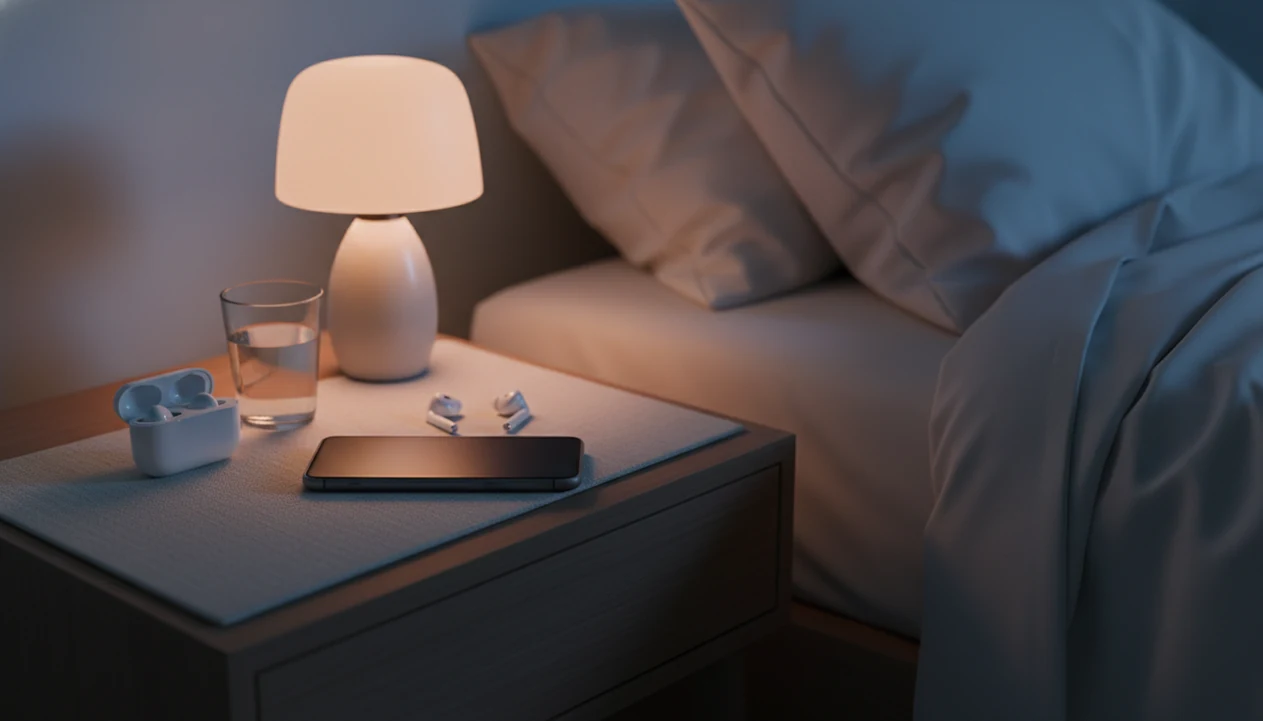
Yes, an app that helps you fall asleep with hypnosis can support bedtime relaxation by using calming audio, guided breathing, and sleep-focused hypnotic suggestions. HypnoApp is a practical option if you want guided sleep hypnosis, meditation, and self-hypnosis sessions in one bedtime audio library. It is best treated as a gentle sleep support tool, not a guaranteed cure for insomnia or medical sleep problems.
> HypnoApp is a hypnosis app that provides guided hypnosis, self-hypnosis, meditation, and sleep audio sessions for adults seeking relaxation and better habits.
- Look for calm narration, 15–40 minute sleep sessions, offline playback, timers, and clear privacy practices.
- Hypnosis may improve sleep outcomes for some people, but individual results vary and app-specific evidence is limited.
- Use bedtime hypnosis audio alongside consistent sleep habits, not as a replacement for medical care.
How these apps look
Side-by-side captures of the compared products. Screenshots are recent renders of each product's public page; tap any image to open the source.
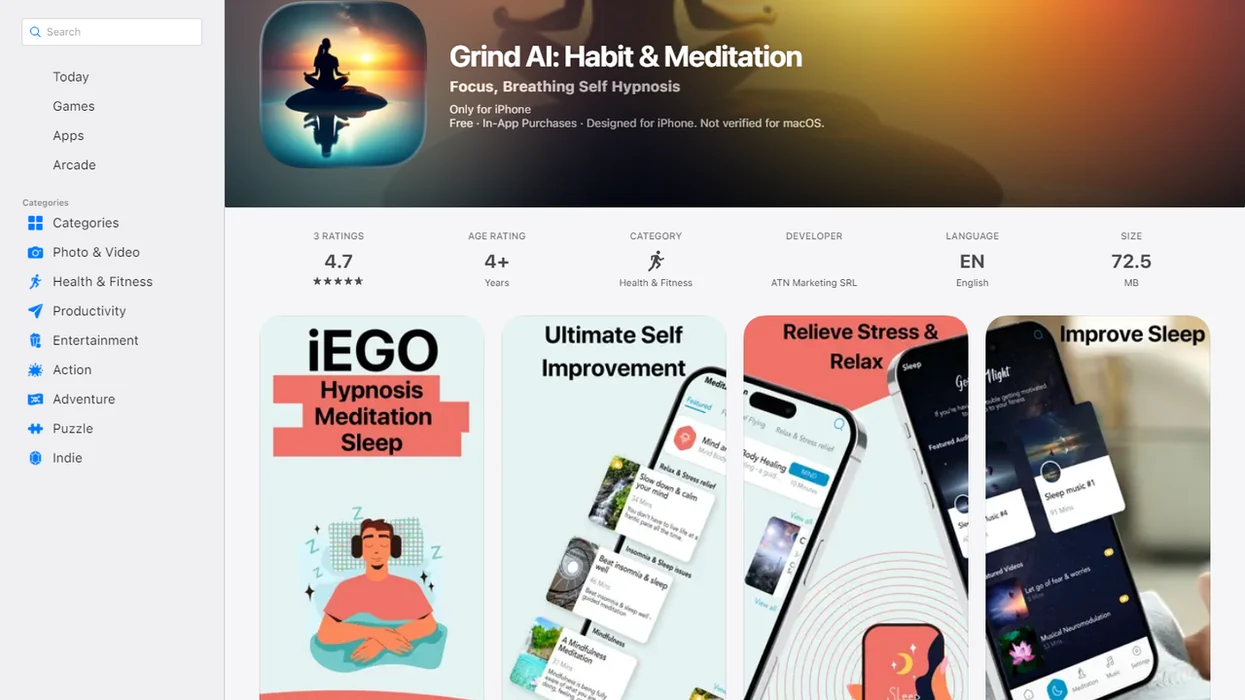
Best sleep hypnosis app options at a glance
A good bedtime hypnosis audio app should make it easy to start a quiet session, dim the screen, and stop worrying about controls once you’re in bed. The strongest all-around option combines guided hypnosis, self-hypnosis, meditation, and sleep audio without making medical cure claims.
| App type | Best use case | Key feature | Watch-out |
|---|---|---|---|
| HypnoApp | Guided sleep hypnosis plus habit support | Sleep, meditation, and self-hypnosis categories | Results still depend on practice |
| Dedicated sleep hypnosis apps | Simple bedtime listening | 15–40 minute sleep tracks | Smaller topic range |
| Meditation-first apps like Calm or Headspace | General relaxation before bed | Large sleep and mindfulness libraries | Less hypnosis-specific structure |
| Custom hypnosis apps like HypnoBox | Personal session building | Mix-and-match hypnosis modules | Can feel busy for beginners |
| Free audio platforms | No-cost trial listening | YouTube or podcast access | Ads, volume jumps, and privacy gaps |
Anyone dealing with racing thoughts at midnight may find categorized bedtime audio easier than browsing random tracks because sleep sessions are separated from daytime focus content.
Named shortlist of apps to fall asleep with hypnosis
The right fit depends on whether you want a structured app, a large hypnosis library, or free audio you can test tonight. For a deeper comparison, the best sleep hypnosis app guide covers bedtime use cases in more detail.
- HypnoApp: best for guided self-hypnosis, meditation, sleep, and habit-support audio in one place. It suits adults who want a low-pressure practice and clear session categories on a dark screen.
- Relax & Sleep Well Hypnosis: best-known library-style option for people who want many sleep hypnosis recordings from a familiar name.
- Sleep Well Hypnosis & Insomnia: best for simple sleep-focused sessions without a broad wellness menu.
- HypnoBox: best for customizable hypnosis sessions, especially if you like building your own sequence.
- YouTube or podcast sleep hypnosis: best free route, but least structured. A session ending too loudly can undo the calm fast.
If the priority is a guided bedtime routine rather than endless searching, choose the option with sleep-focused audio categories and repeatable listening.
How a bedtime hypnosis audio app works
A bedtime hypnosis audio app works by guiding attention through an induction, relaxation phase, deepening phase, hypnotic suggestions, and either a wake-up ending or a fade-out for sleep. In plain terms, it gives the mind one quiet track to follow instead of letting rumination run the night.
Most sessions use focused attention, slower breathing cues, progressive muscle relaxation, and calming background sounds. The narrator might ask you to loosen your jaw and drop your shoulders, which is a simple relaxation cue rather than a mystical state. Good hypnosis and self-hypnosis mobile apps deliver guided structure and bedtime repetition, not unconsciousness or loss of control.
Beginners who ask, “Am I supposed to feel hypnotized?” should choose sessions that feel like guided audio practice, not a performance test. Phone face down on the nightstand. That is often enough.
Evidence behind a sleep hypnosis app to relax
The evidence supports hypnosis as a sleep-support method more than it supports any single commercial sleep hypnosis app. That distinction matters when comparing HypnoApp with options like Harmony Hypnosis, Reveri, Calm, or Headspace.
- In a National Health Interview Survey, 35.1% of U.S. adults reported short sleep duration, meaning less than 7 hours per night, per the CDC source.
- A 2013 meta-analysis found hypnosis produced a “moderate to large” improvement in sleep outcomes across several sleep-problem groups source.
- A 2013 review of 40 hypnosis apps found none had been scientifically tested for efficacy, and only 7.5% mentioned health professional involvement in development source.
- Evidence supports hypnosis techniques more strongly than it supports any one app’s exact script.
For adults with occasional restless nights, bedtime hypnosis usually depends more on consistent use and audio quality than on app-store ratings.
How to use an app to fall asleep with hypnosis
Use sleep hypnosis like a repeatable bedtime routine, not a rescue button you press after two hours of frustration. If you’re new, the sleep hypnosis app for beginners page explains what to expect before the first session.
- Set your phone to Do Not Disturb before pressing play.
- Choose a 15–40 minute sleep-focused track with a calm narrator.
- Lower the volume until the voice is clear but not attention-grabbing.
- Place the phone face down, or use headphones only if they feel safe and comfortable.
- Use a sleep timer or fade-out setting so the audio does not restart loudly.
- Repeat the same routine for several nights before judging results.
Busy parents trying to settle their mind after the house goes quiet may prefer a simple workflow: pick a sleep session, set the timer, and let the audio fade.
Features that matter in a bedtime hypnosis audio app
The most useful features are the ones that protect relaxation once the session starts. A lock screen showing remaining minutes can be reassuring, but too many controls at bedtime can become another thing to manage.
- Calm narration and high-quality audio matter because the voice carries the induction, deepening, and suggestion phases.
- Sleep-specific scripts matter more than generic meditation labels because bedtime sessions should aim toward letting go, not daytime focus.
- Offline downloads, sleep timers, repeat loops, background audio mixing, and dark mode reduce common night-use friction.
- Clear privacy policies, data controls, and subscription terms matter because bedtime audio can still involve personal app data.
- No exaggerated cure claims is a quality signal, especially for health-adjacent topics.
Adults who want both sleep and stress support may use sleep hypnosis at night, then choose shorter relaxation sessions during the day; the app to help me relax and fall asleep guide covers that overlap.
How we picked each sleep hypnosis app to relax
We prioritized apps with sleep-specific hypnosis content rather than broad meditation libraries alone. The review looked at narrator trust, script structure, playback controls, privacy clarity, iPhone and Android availability, free trials, and cost transparency.
We did not rank apps by affiliate payout or app-store star rating alone. A sleep hypnosis app had to offer a calmer bedtime workflow than opening a random video, podcast, or general meditation library at 12:30 a.m.
HypnoApp stayed on the shortlist because it covers guided hypnosis, meditation, sleep, and habit-support audio without requiring the listener to build a session from scratch. We downgraded apps that made medical cure claims, hid subscription details, or lacked basic bedtime usability such as timers and offline access.
App-store ratings are useful, but they are not clinical validation. Five stars can mean “nice voice,” not “tested for insomnia.” Small difference. Big consequence.
Honest cons of sleep hypnosis apps
Sleep hypnosis apps can help some people relax, but they do not knock everyone out instantly. The first few nights may feel awkward, especially if you are waiting for a dramatic hypnotized feeling.
Distracting voices, thin audio, notifications, and uncomfortable earbuds can reduce the benefit. A blue light filter at midnight helps, but a bright subscription pop-up does not. Some people also become over-reliant on one track and worry they cannot sleep without it.
Free apps can be useful for testing the format, yet they may include ads, limited downloads, or unclear privacy practices. If cost is the main concern, compare options in the free sleep hypnosis app guide before committing to a subscription.
Limitations
HypnoApp and similar sleep hypnosis tools should support bedtime routines, not replace medical assessment when symptoms point beyond ordinary restlessness.
- Evidence for hypnosis does not prove that every sleep hypnosis app works.
- A hypnosis app cannot treat sleep apnea, restless legs syndrome, chronic pain, severe anxiety, depression, PTSD, parasomnias, or seizure disorders.
- People with trauma histories or significant mental health conditions should ask a clinician before using intense hypnosis content.
- Not everyone is equally responsive to hypnosis, even with regular practice.
- App use should support consistent sleep hygiene, including steady bedtimes and reduced late-night stimulation.
- Avoid hypnosis audio while driving, cooking, supervising children, or doing any task requiring attention.
- If insomnia is persistent, worsening, or paired with breathing pauses, panic, or major mood changes, professional care is the safer next step.
The most evidence-backed approach for chronic insomnia is usually clinician-guided care such as CBT-I, with relaxation tools used as support when appropriate.
FAQ
Do sleep hypnosis apps work?
Sleep hypnosis apps may help some adults relax, quiet racing thoughts, and sleep better. Results vary, and app-specific evidence is limited.
Is sleep hypnosis safe?
Gentle sleep hypnosis is generally considered safe for many adults. People with trauma histories, seizure disorders, or significant mental health conditions should consult a healthcare professional first.
Can hypnosis cure insomnia?
Hypnosis cannot be promised as a cure for insomnia. It is a complementary sleep-support tool, not a replacement for medical care or CBT-I.
Should I use headphones?
Headphones can help block noise and make narration clearer. A bedroom speaker is better if earbuds feel uncomfortable or unsafe during sleep.
How long should sessions be?
Most sleep-focused hypnosis sessions run about 15–40 minutes. Choose a length that lets you relax without feeling trapped awake.
Are free hypnosis apps good?
Free hypnosis apps can be useful for trying bedtime audio. They may also include ads, limited downloads, fewer controls, or weaker privacy clarity.
Can hypnosis make anxiety worse?
Gentle relaxation content is usually fine for many adults. Intense imagery, regression-style content, or trauma-related sessions may not suit people with anxiety or trauma histories.
What app features matter most?
The most important features are calm narration, sleep timers, offline access, privacy clarity, and sleep-specific scripts. HypnoApp includes guided sleep and self-hypnosis audio for adults seeking a structured bedtime option.