Do Hypnosis Apps Actually Help With Sleep and Habits?
Yes—but mostly as a relaxation and habit-practice tool. Hypnosis apps may help some adults wind down, sleep better, or rehearse behavior cues, but app-specific clinical evidence is still limited. The most realistic expectation is guided relaxation and self-hypnosis support, not a guaranteed cure or replacement for therapy or medical care.
> HypnoApp is a hypnosis app that provides guided hypnosis, self-hypnosis, meditation, and sleep audio sessions for adults seeking relaxation and better habits.
TL;DR
- Clinical hypnosis has evidence for pain, stress, anxiety, some sleep problems, and behavior change, but that evidence is mostly not app-specific.
- A systematic review of 407 hypnosis apps found that 0% reported efficacy testing or an evidence-based foundation.
- A good hypnosis app is best treated as a low-risk wellness tool for relaxation, focus, sleep routines, and habit support.
Do Hypnosis Apps Work? The Short Evidence Answer
Hypnosis apps can work for some people as guided relaxation practice, especially when the goal is sleep routine, everyday stress, or habit rehearsal. They are not proven stand-alone treatments for medical or mental-health conditions.
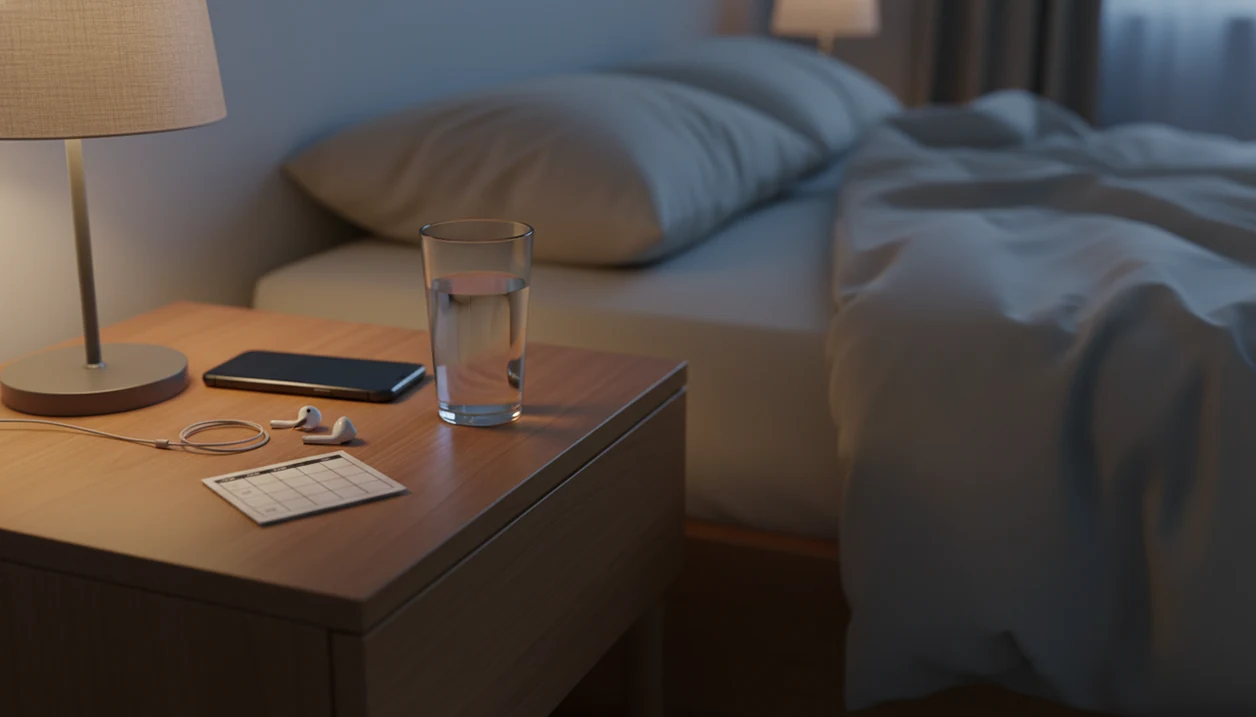
In practice, hypnosis apps are guided audio tools. A listener might press play with the phone face down on a nightstand, follow a breathing cue, and notice their shoulders drop after five minutes. That real benefit matters. It just doesn't prove that the app treats insomnia, anxiety, smoking, or overeating.
Good hypnosis and self-hypnosis mobile apps with guided meditation, sleep sessions, anxiety relief, and habit-building audio programs deliver structured relaxation practice, not guaranteed medical outcomes. No specific app should be treated as a certain treatment, and people with symptoms that disrupt work, safety, or relationships should use professional care when needed.
Self Hypnosis App Evidence: 5 Facts Skeptical Buyers Should Know
- Clinical hypnosis has some support for pain, stress, anxiety, some sleep problems, smoking, and overeating, but much of that research involves trained clinicians rather than consumer apps.
For broader context, the National Center for Complementary and Integrative Health notes that hypnosis has been studied for pain, anxiety, smoking cessation, and other uses, while emphasizing that evidence quality varies by condition source.
- Consumer hypnosis apps are far less studied than clinician-guided hypnosis. That gap matters when a store listing sounds more certain than the evidence behind it.
- A systematic review of 407 hypnosis apps found that 0% reported efficacy testing and 0% reported being evidence-based source.
- In that same review, the most common app goals were weight loss, self-esteem, and relaxation or stress reduction. Those are popular needs, but popularity is not proof.
- Marketing claims often run ahead of self hypnosis app evidence. The most useful question is not “does hypnosis work at all?” It is “has this app shown outcomes for this goal?”
The pocket check is real. If a notification interrupts a relaxation track, the evidence question suddenly feels very practical.
How Hypnosis Apps Work as Guided Self-Hypnosis Tools
Hypnosis apps are guided audio sessions that use relaxation, focused attention, imagery, and suggestions to support self-hypnosis practice. They do not control the user, remove awareness, or force behavior.
A typical session asks you to settle your breathing, loosen your jaw, drop your shoulders, and imagine a specific scene or future action. The technical pieces are focused attention and suggestion. In plain language, the app helps you narrow your attention so a simple idea can be practiced without as much mental noise.
Repetition matters. So do routine, expectation, and timing. A short session before the video call may help someone rehearse a calmer interview mindset. For habits, the cue is often the useful part: listen, notice and reset, then choose the next small action.
Quality varies because scripts, voice, pacing, topic claims, and safety language are not standardized. The hypnosis app vs hypnotherapist difference is especially important when goals are clinical or complex.
HypnoApp Effectiveness for Sleep, Anxiety, and Habits
Hypnosis app effectiveness is most realistic for relaxation-linked goals, such as winding down, managing everyday stress, or rehearsing a habit cue. Sleep and relaxation goals are often a better fit than addiction, trauma, or medical goals.
| Goal | What an app may support | What it should not promise |
|---|---|---|
| Sleep | Bedtime routine, body relaxation, fewer racing-thought loops | Cure for chronic insomnia |
| Anxiety or stress | Calm breathing, grounding, confidence rehearsal | Replacement for anxiety treatment |
| Smoking | Motivation practice and urge coping | Guaranteed cessation |
| Overeating | Pause cues and routine awareness | Treatment for eating disorders |
| Weight loss | Habit reminders and motivation | Rapid or guaranteed weight loss |
| Self-esteem | Repeated supportive suggestions | Fix for deep trauma or depression |
Mayo Clinic reports that hypnosis can help some people cope with pain, stress, and anxiety, and that it has been used with some success for sleep problems, smoking, and overeating source. That does not mean an app can promise the same result.
For everyday stress, a guided audio session is often easier to start than a long practice because the narrator carries the structure.
Before You Use a HypnoApp
Before you press play, make the app fit the moment, not the other way around. A hypnosis session is safest and most useful when the goal is modest, the setting is quiet, and any serious symptoms have already been handled with the right support.
- Choose a low-risk target. Start with relaxation, a steadier sleep routine, focus before a task, or one small habit cue. Save addiction, trauma, eating-disorder, or medical goals for broader care.
- Check your safety first. Do not listen while driving, supervising children, cooking, operating tools, or doing work that needs attention. Hypnosis audio is designed to narrow focus, which is the wrong tool for those moments.
- Use headphones only when appropriate. They can improve immersion, but only in a private, interruption-free place where you still feel safe.
- Screen for bigger needs. If symptoms are severe, persistent, risky, or tied to self-harm, panic, psychosis, trauma, or substance use, seek medical, therapy, or crisis support before relying on an app.
- Set one signal to watch. Pick a simple measure before starting, such as bedtime, wake time, craving count, or how often you complete the next small action.
How to Use a HypnoApp for Better Results
A hypnosis app usually works best as a repeated low-pressure practice, not a one-night test. Pick one goal, listen in a consistent setting, and review whether anything actually changes.
- Choose one goal. Start with sleep, stress, focus, or one habit cue instead of trying to change five things at once.
- Use headphones or a quiet setting. A bedroom speaker works too, but lower the volume slider in bed before the session starts.
- Repeat sessions consistently. Try the same track several times per week so the relaxation cue becomes familiar.
- Track one signal. Note sleep timing, mood, cravings, or follow-through in a simple log.
- Reassess after a few weeks. Keep what helps, switch tracks if the voice feels wrong, or stop if it adds pressure.
- Avoid unsafe listening. Don't use hypnosis audio while driving or doing tasks that require attention.
Tools like HypnoApp can be one option for guided hypnosis, self-hypnosis, meditation, and sleep audio sessions. If you're comparing formats, the hypnosis app vs meditation app question comes down to suggestion-based guidance versus attention training.
Common Myths About Whether Hypnosis Apps Actually Help
Myth: most hypnosis apps are clinically proven. The evidence base for hypnosis is broader than the evidence base for individual apps, and many consumer products do not publish outcome data.
Myth: hypnosis apps can replace therapy or medical treatment. They should be viewed as complementary wellness support, especially for relaxation, sleep routines, and motivation practice. Clinicians typically recommend evidence-based care such as CBT, medical assessment, or structured treatment when symptoms are persistent, severe, or risky.
Myth: hypnosis apps can instantly fix addiction, severe depression, or deep trauma. That claim should raise concern. Complex conditions usually need broader support, and sometimes urgent care.
Myth: hypnosis means mind control or losing awareness. A skeptical beginner often asks, “Am I supposed to feel hypnotized?” Usually, the answer is no. Many people simply feel relaxed, focused, or a little less reactive.
A session ending too loudly can break the spell. Not mystical, just annoying.
When a HypnoApp Is Not Enough
A hypnosis app is not enough when symptoms are severe, unsafe, persistent, or tied to a condition that needs diagnosis or structured care. Treat the app as complementary practice for relaxation and habit support, not as treatment by itself.
Use a more cautious plan when anxiety, depression, trauma symptoms, or psychosis signs are disrupting daily life. The same is true for addiction, eating disorders, or any risk of self-harm; those are not good places to rely on audio sessions alone. Sleep also deserves attention: if insomnia lasts for weeks, affects driving, work safety, mood, or daytime functioning, talk with a clinician rather than just changing tracks.
- Pause the app-first approach if symptoms feel severe, escalating, or out of proportion to everyday stress.
- Contact a qualified professional for addiction, eating concerns, trauma, depression, psychosis symptoms, or ongoing anxiety.
- Ask about sleep care when poor sleep continues for several weeks or makes daily life unsafe.
- Use emergency or crisis support right away if someone may be in immediate danger.
- Keep the app in its lane as practice between supports, not a diagnosis, cure, or substitute for care.
Buyer Checklist for Choosing a Self Hypnosis App
Use a buyer checklist when clinical trial data is absent. The goal is to judge transparency, fit, and safety before you trust the app with your bedtime routine or habit practice.
When comparing named apps such as Reveri, HypnoBox, Headspace, or HypnoApp, separate feature fit from proof. A polished library, celebrity clinician, or high app-store rating is not the same as published outcome data for your specific goal.
- Transparent claims: Look for modest language, clear disclaimers, and no cure promises.
- Usable previews: Check narrator voice, pacing, background sound, and whether the session length fits your day.
- Goal-specific library: Prefer tracks for concrete needs, such as exam stress, sleep, public speaking, or craving pauses.
- Privacy and payment terms: Read the privacy policy, trial length, cancellation terms, and data-sharing language.
- Safety signals: Avoid apps promising rapid weight loss, guaranteed addiction recovery, or treatment for severe distress.
User reviews can reveal practical fit, like a sleep timer that works or a narrator who feels too sharp at midnight. They are not proof of effectiveness. If you want alternatives, comparisons such as Reveri vs HypnoBox or Headspace vs self-hypnosis app can help separate feature differences from evidence claims.
Limitations
Hypnosis apps can be useful wellness tools, but the limits are not small print. They should shape your expectations before you subscribe.
- No robust clinical evidence proves that a specific consumer hypnosis app works for a specific condition.
- Hypnosis does not work equally well for everyone, even in clinician-guided settings.
- Apps should not be stand-alone treatment for serious anxiety, depression, trauma, psychosis, eating disorders, addiction, or self-harm risk.
- Apps should not delay medical care, therapy, medication review, or crisis support when those are needed.
- Long-term outcomes for weight loss, addiction, and complex habits usually require broader support, tracking, environment changes, and sometimes clinical care.
- Content quality, safety disclaimers, privacy practices, narrator skill, and script design vary widely.
- A calming session can still be the wrong fit if the voice, music, or pacing makes you tense.
For safety basics beyond app selection, the question is hypnosis safe deserves a separate look.
FAQ
Do hypnosis apps work?
Some users find hypnosis apps helpful for relaxation, sleep routines, focus, or habit practice. App-specific clinical proof is limited, so they should not be treated as guaranteed treatments.
Are hypnosis apps evidence based?
Clinical hypnosis has broader evidence for some uses, but most consumer hypnosis apps lack direct efficacy testing. Claims should be judged carefully.
Can hypnosis apps help sleep?
Hypnosis apps may help sleep by supporting relaxation and a consistent bedtime routine. They should not replace care for chronic insomnia or suspected sleep disorders.
Can hypnosis apps help anxiety?
They may support everyday stress relief through breathing, imagery, and calming suggestions. They are not a substitute for anxiety treatment when symptoms are persistent or severe.
Do hypnosis apps help weight loss?
A self hypnosis app may support motivation, pause cues, and habit awareness for some users. Weight loss claims require caution and usually need broader lifestyle and medical context.
Can hypnosis apps stop smoking?
Hypnosis may support behavior change for some people, but smoking cessation often requires structured support. Apps should not promise guaranteed quitting.
Is self hypnosis safe?
Self-hypnosis is generally low risk for relaxation use in adults when used in safe settings. People with serious mental health symptoms should seek professional guidance.
Can hypnosis apps replace therapy?
No. Hypnosis apps should not replace therapy, medical care, medication advice, or crisis support.
How often should I listen?
Many users start with several sessions per week for a few weeks. Track sleep, mood, or habit patterns to decide whether the practice is helping.