
Find Better Habit Routine Ideas Using Self-Hypnosis
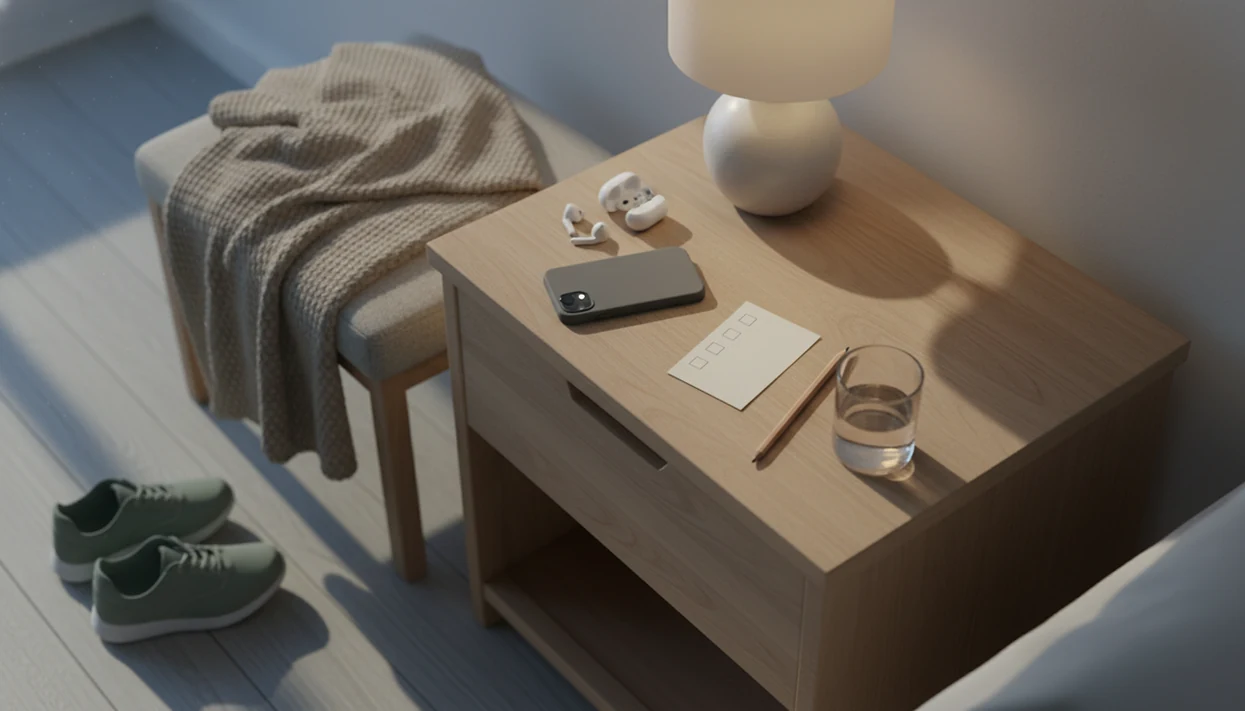
To find better habit routine ideas, choose one tiny behavior, attach it to a daily cue, and use self-hypnosis as a repeatable motivation ritual rather than a shortcut. Guided self-hypnosis audio can reinforce calm focus and confidence, but the routine still needs clear actions, reminders, tracking, and realistic expectations.
Definition: A self-hypnosis audio program provides guided hypnosis, meditation, and sleep sessions for adults seeking relaxation and better habits.
TL;DR
- A better habit routine starts with a small, specific action tied to an existing cue, such as walking after lunch or listening to a session before bed.
- Self-hypnosis can support habit change by pairing relaxation, repetition, and suggestion with a behavior plan you already want to follow.
- Hypnosis is not mind control, a cure, or a guaranteed way to change habits without practice, reminders, and environmental support.
Five facts about a better habit routine with hypnosis
- Small beats dramatic. A better habit routine works best when the action is small, specific, and attached to a cue that already happens, like lunch ending or your phone alarm labeled evening routine.
- Hypnosis is focused attention. Hypnosis is usually described as a relaxed, absorbed state where suggestions may feel easier to rehearse when they match your own goals.
- Stress matters. Evidence is stronger for anxiety reduction than for app-based habit change; a 2008 meta-analysis found a medium-to-large anxiety reduction effect across 18 studies source. Lower stress can make follow-through less slippery.
- Apps mostly use repetition. Most hypnosis apps use guided audio session scripts, quiet music, and repeated suggestions while the listener is still, often with the phone face down nearby.
- Planning still counts. Hypnosis can support motivation and focus, but it does not replace follow-through, medical care, therapy, or a written behavior plan.
The pocket check is real.
How a self hypnosis habit routine works
A self hypnosis habit routine combines habit loops with guided suggestion: the cue starts the behavior, the routine is the action, and the reward tells your brain it was worth repeating. In plain terms, you make the desired behavior easier to notice, start, and repeat.
Self-hypnosis adds relaxed attention, repetition, and suggestion to that loop. The narrator may ask you to loosen your jaw and drop your shoulders, then rehearse a line like “I start with one small step.” That can reduce stress friction, especially when anxiety or mental fatigue gets in the way. A meta-analysis of hypnosis for anxiety reported an average effect size of 0.79 compared with control conditions source.
That does not mean the audio session is the habit itself, unless your goal is relaxation or sleep. For movement, study, mindful eating, or planning, the session prepares the ground. The action still has to happen after play ends.
How to use self-hypnosis audio for a better habits plan
Use guided self-hypnosis audio as the rehearsal space for your better habits plan, not as the whole plan. Good self-hypnosis programs with guided meditation, sleep sessions, anxiety relief, and habit-building audio deliver structured relaxation and repeated cues, not automatic personality change.
1. Set one tiny behavior
- Choose one concrete target: Write “walk for 10 minutes after lunch,” not “get fit.”
- Shrink the start: Pick a version you can do on a tired Tuesday.
2. Attach it to a cue
- Use a daily trigger: Pair the action with waking, lunch, showering, commute, or bedtime.
3. Play one matching session
- Pick one short session: Match the audio to stress, confidence, sleep, cravings, procrastination, or focus.
4. Track the action
- Record the behavior: Track the real-world habit separately from listening streaks.
5. Adjust the routine weekly
- Review after seven days: Reduce friction before blaming willpower. If you need app basics first, a tool that can guide daily self-hypnosis can help you understand the setup.
Seven-step method for choosing better habit routine ideas
How do you choose better habit routine ideas that actually fit your life? Start by mapping energy, time of day, and emotional friction before you choose the habit.
- List your low-friction windows: morning, lunch, commute, study break, or bedtime.
- Rate your energy honestly: choose easier actions for tired hours.
- Name the barrier: stress, confidence, cravings, sleep, procrastination, or focus.
- Pick a matching session: choose guided audio that rehearses the barrier you named.
- Keep it under ten minutes: early routines should feel almost too small.
- Use an identity cue: “I am someone who starts small” works better when paired with a real action.
- Choose boring fit over impressive failure: a three-minute stretch that happens beats a full workout you avoid.
For a student, a timer app beside lecture notes may beat a grand study plan. Small starts leave less room for bargaining.
Three better habits plan examples with self-hypnosis
These three better habits plan examples show how cue, action, hypnosis timing, tracking, and reward fit together. For most adults, a tiny routine tied to a stable cue is often easier than a motivation-based plan because the start point is already built into the day.
Maya: 10-minute walking cue
Cue: lunch ends. Tiny action: walk around the block for 10 minutes. Hypnosis timing: play an energy or confidence session before the workday, or during a lunch-break walk with one earbud if it is safe. Tracking: mark “walked” on a paper calendar. Reward: return feeling less stiff.
Jordan: mindful snack pause
Cue: reaching for an afternoon snack. Tiny action: pause, breathe once, and plate the snack. Hypnosis timing: use a stress-reduction session after work. Tracking: note “paused first.” Reward: less autopilot eating.
Sam: pre-sleep phone boundary
Cue: bedroom light turns off. Tiny action: charge the phone away from bed. Hypnosis timing: play sleep hypnosis on a speaker. Tracking: count phone-free nights. Reward: fewer midnight scrolls, even if sleep is not instant.
Habit routine with hypnosis versus trackers and reminders
Habit trackers remind, measure, and reward completion. Hypnosis sessions work differently: they target motivation, stress, confidence, or mental rehearsal before the behavior happens.
The strongest plan often uses both. A tracker tells you whether the walk, journal entry, or snack pause happened. A guided audio session helps you settle the emotional resistance around starting. Tools like HypnoApp, Calm, Headspace, and Reveri may fit different parts of that mix, depending on whether you want meditation, sleep audio, or habit-focused self-hypnosis. A dedicated tool to combine hypnosis and habit tracking can be useful if you dislike switching apps.
| Tool | Best use | Weakness | When to combine |
|---|---|---|---|
| Habit tracker | Measuring actions | Can become a guilt chart | Use with hypnosis when stress blocks follow-through |
| Reminder app | Prompting at the right time | Easy to swipe away | Use with audio before the cue |
| Self-hypnosis session | Rehearsing calm motivation | Does not prove the habit happened | Use with a separate behavior log |
| Paper checklist | Fast visual feedback | Easy to lose | Use when phones distract you |
App safety checks for a self hypnosis habit routine
Before relying on any self hypnosis habit routine, check the app like you would check a fitness plan. Look for who wrote the scripts, whether qualified professionals were involved, and whether the claims avoid guaranteed cures, diagnosis, or treatment promises.
A systematic review of 407 hypnosis apps in the Apple iTunes store found that 22.6% targeted weight loss, 20.3% self-esteem, and 19.9% relaxation or stress reduction. The same review found only 7.4% reported health professional participation in development source. That does not make every app unsafe, but it does mean marketing copy should not be your only filter.
Also review privacy terms, subscriptions, cancellation steps, and data practices. Avoid sessions while driving, operating machinery, cycling, cooking over heat, or doing anything that needs full alertness. If a session ending too loudly startles you, lower the volume next time. Small safety detail, big difference.
Common patterns in successful better habit routines
Successful better habit routines are small enough to complete on low-motivation days. They usually have a stable cue, a visible reminder, a separate behavior record, and an immediate reward.
In practice, that may look like stretching after a shower, walking after lunch, or listening to a short self-hypnosis session before a known trigger. A reminder note near the toothbrush cup can work better than a notification that disappears under messages. Clinicians typically recommend professional support when habits involve serious mental health symptoms, addiction, eating disorders, or medical risk, rather than relying on self-guided tools alone.
The most useful reward is often plain: checking a box, feeling calmer, or knowing tomorrow is already prepared. If you want to understand trigger mapping more deeply, the guide on what app identifies habit triggers explains that part of the process.
Measurement gaps in a hypnosis habit routine
A completed hypnosis session does not prove the real-world habit happened. Feeling relaxed after audio also does not guarantee lasting behavior change.
That gap matters. You might finish a confidence session, see the lock screen showing remaining minutes, and feel ready for tomorrow. But the habit measure is still whether you packed the gym shoes, opened the textbook, took the walk, or paused before the snack. Short-term motivation can fade when sleep gets worse, work changes, or family stress rises.
Measure the behavior you care about, not just time spent in the app. For habit change, the app streak is a support metric. The action streak is the outcome metric. If both are tracked separately, you can see whether self-hypnosis is helping or simply becoming another task.
Reset the plan.
Limitations
Self-hypnosis can be a useful habit-support tool, but it has clear limits. Treat it as low-pressure practice, not a guarantee.
- Evidence for hypnosis directly causing long-term habit change through apps alone is limited.
- Results vary because some people are less responsive to hypnotic suggestion than others.
- Self-guided audio should not replace professional care for serious anxiety, depression, trauma symptoms, addictions, eating disorders, or medical concerns.
- Many self-hypnosis programs have not been tested in controlled trials, and some provide little detail about script development.
- Marketing claims may exceed the science, especially around permanent weight loss or guaranteed behavior change.
- Overreliance on audio without sleep, environment design, social support, and realistic planning can lead to disappointment.
- Do not use hypnosis audio while driving, operating machinery, supervising safety-sensitive work, or doing anything requiring full alertness.
- A routine can fail because of schedule friction, not because you lack desire.
For beginners comparing options, a beginner self-hypnosis audio guide is only useful if the routine around it stays specific and measurable.
FAQ
Can hypnosis help me build better habits?
Hypnosis may support motivation, focus, and stress reduction, but it still requires repeated real-world behavior practice. It works best with a clear cue, tiny action, and tracking.
How often should I listen to self-hypnosis for habit change?
Most people use self-hypnosis daily or several times weekly at a consistent time. Consistency matters more than long sessions.
When is the best time to use self-hypnosis in a habit routine?
Useful times include before sleep, before a known habit cue, or during a calm planning window. The goal is to rehearse the next action before friction appears.
Is hypnosis mind control?
No. Hypnosis does not override your values or force unwanted actions. It is a focused attention practice using suggestion and repetition.
What habit should I start with first?
Start with one tiny action tied to a stable cue and a current priority. Examples include a 10-minute walk after lunch or writing one line before bed.
Do habit tracker apps help routines stick?
Habit trackers can remind and measure behavior, but they work best with small actions and weekly review. They do not replace planning or emotional support.
Are hypnosis apps safe to use for daily habits?
Hypnosis apps are generally low risk for healthy adults when used at safe times and with reasonable expectations. Seek professional guidance for serious mental health, addiction, eating disorder, or medical concerns.
Why do my habit routines keep failing?
Common causes include vague goals, steps that are too large, weak cues, stress, poor sleep, and unrealistic planning. Reduce friction before assuming you need more willpower.