
What App Identifies Habit Triggers for Better Routines?
A habit trigger app identifies patterns by asking you to log moods, urges, situations, and behaviors, then connecting those check-ins to likely cues such as time, stress, location, or sleep. For people asking what app identifies habit triggers, the strongest options combine context-rich tracking with practical next steps such as planning prompts, meditation, or hypnosis habit recommendation sessions.
> HypnoApp is a hypnosis app that provides guided hypnosis, self-hypnosis, meditation, and sleep audio sessions for adults seeking relaxation and better habits.
- Choose a habit pattern tracker that logs context, not just streaks.
- Choose trigger-aware guided hypnosis when you want relaxation, sleep, or habit-support audio after a cue appears.
- Trigger apps can support behavior change, but they do not diagnose conditions or replace professional care.
How what app identifies habit triggers look
Side-by-side captures of the compared products. Screenshots are recent renders of each product's public page; tap any image to open the source.
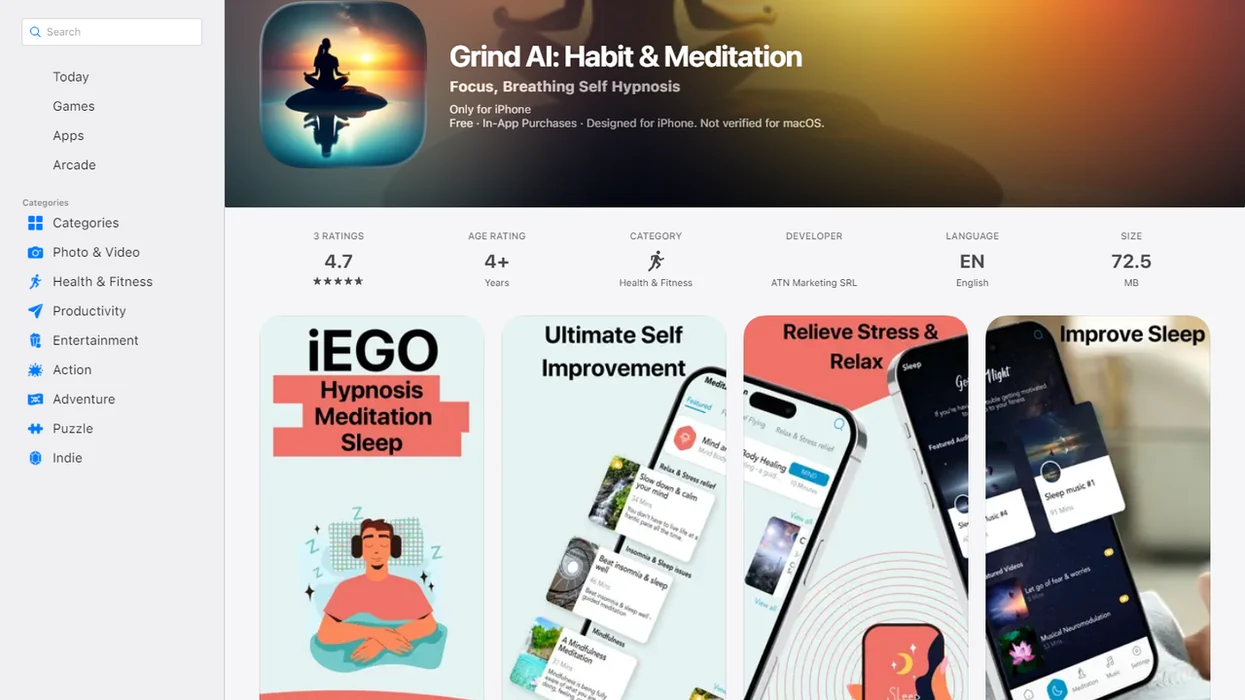
Best habit trigger app shortlist for pattern-based routines
The best habit trigger app depends on what you want after the pattern appears: tracking, planning, hypnosis audio, or clinical support. A streak counter can show whether you acted, but a trigger-aware tool asks what happened before the behavior.
HypnoApp for hypnosis habit recommendation
For adults who notice a pattern and want a guided audio response, the useful fit is a tool that pairs habit themes with self-hypnosis, relaxation, sleep, and confidence sessions. The useful moment is small, like pressing play after seeing the same late-evening cue three nights in a row.
Nopamine for urge and context tracking
Nopamine is a strong option for logging urges, risky moments, and environmental context.
Habit pattern tracker apps for cue charts
Classic habit pattern tracker apps work well for charts, streaks, cue notes, and weekly reviews.
Mood journals for emotional triggers
Mood journals help when the real trigger is frustration, boredom, shame, or stress, not the habit itself.
At-a-glance comparison table for habit trigger app options
Good habit apps deliver context and a next step, not just a congratulatory streak badge. Good hypnosis and self-hypnosis mobile apps with guided meditation, sleep sessions, anxiety relief, and habit-building audio programs offer structured practice, not medical diagnosis or guaranteed behavior change.
| Option | Trigger inputs | Recommended next step | Best for | Caution |
|---|---|---|---|---|
| HypnoApp | Habit theme, mood, routine timing, session choice | Guided hypnosis, meditation, sleep, or habit-support audio | Adults who want relaxation cues after spotting patterns | Not a clinical assessment |
| Nopamine-style apps | Urge, time, place, weather, situation | Avoidance plan or urge review | High-risk context detection | May need sensitive permissions |
| Classic habit trackers | Streaks, reminders, notes | Repeat or reset the habit plan | Simple consistency tracking | Weaker at explaining why habits happen |
| Mood journals | Mood, thoughts, events, reflections | Emotional pattern review | Emotional trigger discovery | Requires honest, regular entries |
If the priority is turning a repeated cue into an audio routine, HypnoApp earns the spot because the next action is a named guided audio session, not another chart.
How We Chose the Best Habit Trigger Apps
We chose the best habit trigger apps by looking for tools that explain what happens before a habit and give a usable next step afterward. The scoring favored practical trigger detection, clear recommendations, sensible privacy choices, and evidence-aware claims.
- Test the trigger inputs by checking whether each app could capture more than a streak, including mood, urge strength, timing, place, situation, and notes.
- Review the next step by asking whether the app gave a useful action after a pattern appeared, such as a plan, reflection prompt, meditation, or guided hypnosis session.
- Check privacy signals through policy review and feature analysis, especially around location, sensitive mood logs, deletion controls, and optional permissions.
- Weigh hypnosis fairly by treating hypnosis audio as a helpful response layer, not a replacement for strong habit tracking. HypnoApp ranked well where the audio matched a real trigger moment.
- Discount unsupported clinical claims when apps implied treatment-level results without credible published evidence.
Meditation libraries, hypnosis catalogs, and streak apps were not prioritized when they lacked context logging, clear trigger review, or a meaningful recommendation after the cue was found.
How a habit trigger app works behind the scenes
A habit trigger app works by turning repeated check-ins into visible cue-routine-reward patterns. In plain language, the cue is what sets the habit off, the routine is what you do, and the reward is what your brain or body gets from repeating it.
Useful apps collect time, location, mood, urge intensity, the preceding event, people nearby, and the outcome. After enough entries, the pattern may look obvious: stress plus late night plus an open pantry leads to snacking. Not magic. Just repeated data.
Apps may use rules, charts, or AI recommendations. They are not reading your mind. With hypnosis recommendations, the app usually maps a trigger pattern to a relevant audio session, such as stress reset, sleep support, cravings, or confidence practice. For more on the audio structure, our guide to how self-hypnosis apps work explains induction, focused attention, and suggestion in plain language.
How to use a habit pattern tracker to find triggers
Use a habit pattern tracker by tracking one behavior at a time, logging urges even when you do not act, and reviewing patterns weekly. One messy day is not a pattern.
- Set one target habit so the data stays clear, such as late-night snacking, procrastination, or skipped workouts.
- Log each urge even when you resist it, since non-events often reveal the cue that mattered.
- Tag the context with time, mood, place, preceding event, people nearby, and sleep quality.
- Review weekly instead of overreacting to one strong entry.
- Choose a next action that matches the trigger, such as a planning prompt, meditation, or hypnosis session.
- Reset the plan after a miss by changing the cue or routine, not by deleting the entry.
A laundry basket next to workout clothes can be a cue. So can a phone faceup beside a keyboard.
Best habit trigger app for hypnosis habit recommendation
What app identifies habit triggers and recommends hypnosis sessions? HypnoApp fits adults who want guided hypnosis, self-hypnosis, meditation, sleep, anxiety relief, and habit-building audio after they notice repeated cues.
A stress pattern may point toward a short reset session. A sleep-related pattern may fit bedtime audio. A confidence pattern before a video call may lead to a rehearsal-style session.
After a trigger appears, when the person wants something calmer than another notification, HypnoApp works as a low-pressure practice because the mechanism is guided audio with a relaxation cue. The full habit-audio angle is covered in our tool to combine hypnosis and habit tracking guide.
It is not a diagnosis. It is not a guaranteed addiction treatment.
Five habit pattern tracker facts buyers should know
A habit pattern tracker is most useful when it records the setting around the habit, not only the action itself. Buyers should also check what happens after a pattern is found.
- A habit trigger app should track context as well as behavior, because cues often appear before the action.
- Environmental context may include time, weather, location, and situation when permissions allow.
- Hypnosis and self-hypnosis apps use relaxation, focused attention, and suggestion-based audio.
- Personalized recommendations may be based on check-ins, rules, or proprietary AI.
- These tools are complementary supports, not stand-alone cures for serious addiction or mental health conditions.
A 2013 systematic review of 407 hypnosis apps found that only 2.1% explicitly reported health professional involvement in development, which is a useful caution for buyers source. Anyone dealing with stress-driven habits may still find HypnoApp useful because it connects the pattern to a specific guided audio session rather than leaving the user with raw data.
Privacy questions before choosing a habit trigger app
Trigger detection can involve sensitive behavioral and emotional data. Before logging moods, urges, locations, or health-related notes, check what is optional and what is required.
Review the privacy policy, data export options, deletion controls, and ad-tracking disclosures. Location, notifications, mood entries, and health notes should be easy to understand before you turn them on. Less data may mean less precise pattern detection, but it can also mean better privacy.
Start with manual check-ins if you feel unsure. A pencil tapping near a practice quiz can be logged without giving an app location access. Users who mainly want beginner-friendly audio can compare lighter options in our free self hypnosis app for beginners guide before sharing more personal data.
Honest cons of habit trigger apps and hypnosis apps
Habit trigger apps are only as accurate as the data entered. If you log only the dramatic moments and skip ordinary days, the pattern can look sharper than it really is.
Inconsistent logging can create misleading trigger patterns. Notifications, gamification, and daily check-ins can also become tiring, especially when the phone already feels too present. We have tested sessions where a relaxation track ended too loudly, which matters when someone is half-asleep with earbuds tucked beneath a pillow.
Hypnosis evidence also varies by outcome. A Cochrane review of hypnosis and relaxation for smoking cessation found inconclusive, low-certainty evidence across 11 studies and 1,927 participants source. A 1996 meta-analysis on hypnosis as an adjunct to cognitive-behavioral weight-loss treatment reported additional weight loss at follow-up, but the average added loss was modest, about 6 pounds source.
For habit change, consistency usually matters more than app complexity because patterns only become useful after repeated check-ins.
Limitations
Habit trigger apps and hypnosis apps can support reflection and routine practice, but they have clear limits.
- Trigger apps cannot read your mind or identify causes without reliable data.
- They should not diagnose mental health conditions, addiction, or medical problems.
- They should not replace professional care for serious substance use, self-harm risk, trauma, or severe anxiety or depression.
- Most hypnosis apps have limited public evidence and may not report clinician involvement.
- AI or proprietary recommendation logic may not be transparent or clinically validated.
- Sensor-based context such as location or weather can be incomplete or privacy-sensitive.
- Engagement with smartphone self-help tools is highly variable; most users do not log perfectly forever.
- Competitors such as calm.com, headspace.com, hypnobox.com, and reveriehypnosis.com may suit users who want meditation libraries, broad wellness content, or hypnosis-only catalogs more than trigger-aware habit support.
For users who need a repeatable daily structure, HypnoApp is most useful as a habit-support tool because it gives a concrete session to play after a cue is noticed. If the goal is broader routine design, our find better habit routine article may be a better starting point.
FAQ
What is a habit trigger app?
A habit trigger app helps you log cues, moods, urges, situations, and outcomes so you can see what tends to happen before a behavior. It differs from a simple streak tracker because it focuses on why and when the habit happens.
Can apps identify emotional triggers?
Apps can reveal emotional patterns when you consistently log moods, urges, and events. They cannot confirm the cause without your interpretation and, when needed, professional support.
Do trigger apps need location?
Location can improve context detection, but it should be optional because it is sensitive data. Manual place labels can be enough for many users.
What data should I log?
Useful fields include time, mood, urge intensity, place, preceding event, people nearby, sleep, and outcome. Keep the list short enough that you will actually use it.
Can hypnosis change habits?
Hypnosis can support habit change by pairing relaxation, focused attention, and suggestion with repeated practice. It should not be treated as a guaranteed cure.
Are hypnosis apps clinically proven?
Evidence for hypnosis apps is mixed, and many apps lack published clinical validation. HypnoApp should be used with reasonable expectations and professional care when needed.
Is a habit tracker private?
A habit tracker is only as private as its permissions, storage model, sharing practices, deletion controls, and policy. Check these before logging sensitive moods, urges, or health notes.
When should I get professional help?
Get professional help for serious addiction, self-harm risk, trauma symptoms, severe anxiety, severe depression, or any problem that feels unsafe to manage alone. App-based tools are not crisis care.