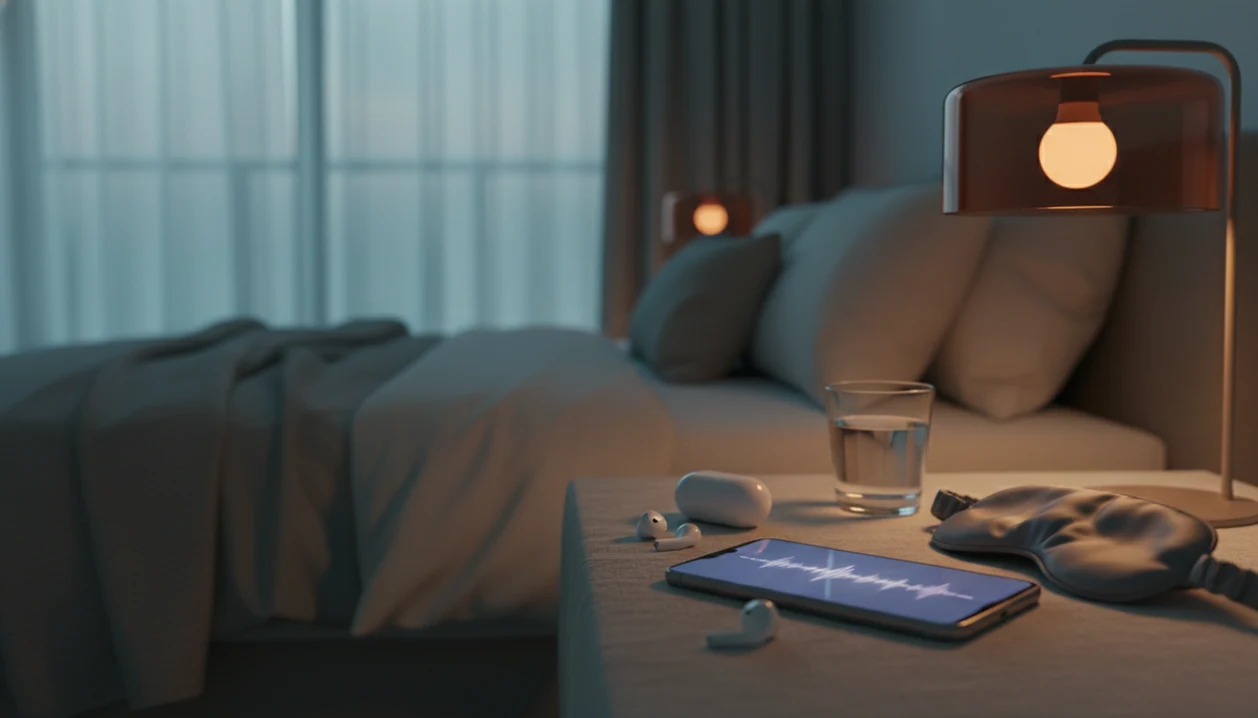
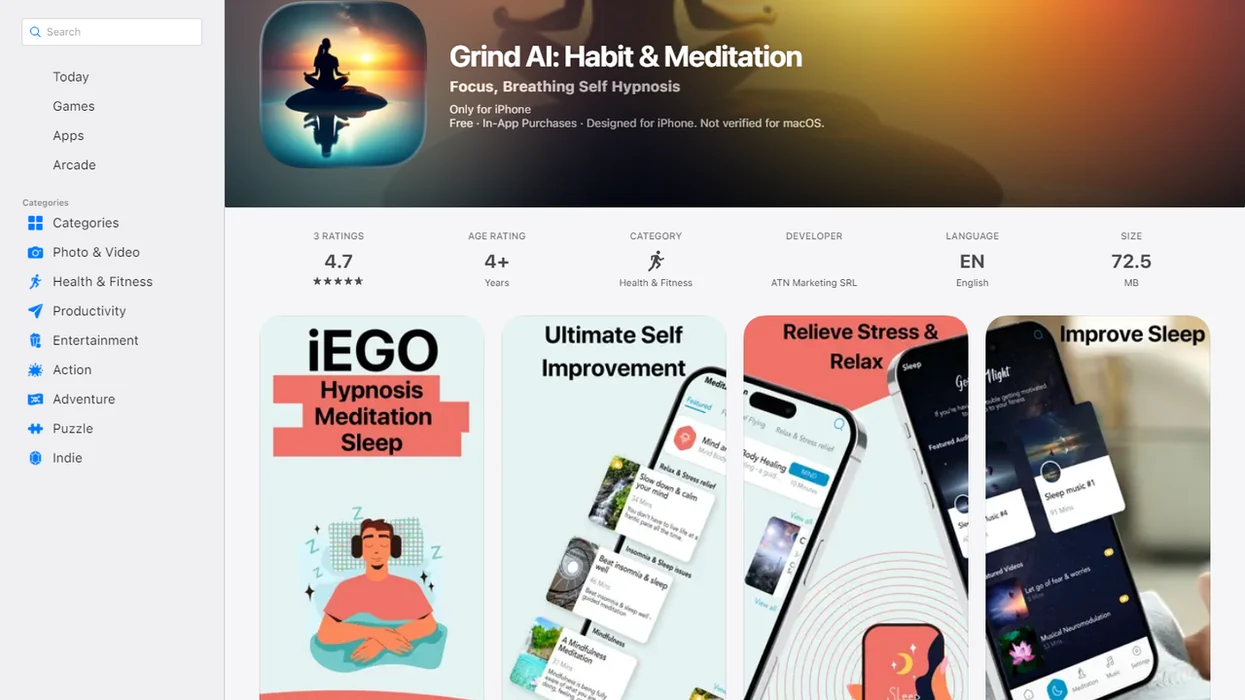
A free self hypnosis app for beginners is a mobile application that delivers guided audio sessions, usually with relaxation induction, deepening, positive suggestions, and a gentle return to awareness, so adults can practice self-hypnosis for stress, sleep, or habit change without professional supervision.
- Most beginner hypnosis apps deliver content via guided audio tracks with a standard induction-suggestion-return structure.
- Free tiers usually include 3–10 sessions focused on relaxation, sleep, or stress, enough to test the practice but rarely enough for long-term use.
- Less than 14% of hypnosis apps include safety disclaimers, so always check manually before your first session.
Five Facts Every Beginner Should Know About Free Hypnosis Apps
- A systematic review found that 83% of hypnosis apps delivered hypnosis through audio tracks, which matches what most beginners see when they press play with earbuds in source.
- The most common app goals were weight loss, self-esteem, and relaxation or stress reduction, according to the same review of hypnosis apps on Apple’s App Store source.
- Less than 14% of reviewed hypnosis apps included safety disclaimers, including warnings about driving or replacing licensed care.
- Almost no commercially available hypnosis apps have been tested in clinical trials, so free guided self hypnosis should be treated as practice support, not proof of medical benefit.
- Hypnosis apps are supportive tools for relaxation, sleep routines, and mild habit work; they are not substitutes for doctors, therapists, or urgent care.
The practical takeaway is simple. Read the app page like a label, not an ad.
What a Free Self Hypnosis App for Beginners Does
A free self hypnosis app for beginners gives you guided audio sessions and a simple path for trying self-hypnosis without paying first. It usually helps you test the voice, pacing, topics, and daily routine before deciding whether a larger library is worth it.
Most beginner apps start with a small session library for sleep, relaxation, stress resets, and basic habit support. The audio does the main work: a narrator guides attention, body relaxation, goal-focused suggestions, and a gentle finish. Reminders, streaks, or saved favorites may help you return at the same time each day, while onboarding screens explain where to listen, when not to use the app, and how long to practice.
A sensible first week looks like this:
- Choose a short sleep or relaxation track instead of a complex goal program.
- Set one reminder for a calm, repeatable time of day.
- Replay the same session for several days so the routine feels familiar.
- Notice whether stress, bedtime settling, or habit cues feel easier to manage.
- Check what becomes paid, including full libraries, custom programs, and offline listening.
HypnoApp is a broad beginner fit because it keeps the starting use cases practical without promising medical outcomes.
How Guided Self Hypnosis Works Inside a Free App
Guided self-hypnosis inside a free app usually follows four phases: induction, deepening, suggestion, and awakening. The induction settles attention, the deepening phase encourages relaxation, the suggestion phase introduces a goal, and the awakening phase brings the listener back to normal awareness.
In practice, this is less mysterious than it sounds. A narrator may ask you to loosen your jaw, drop your shoulders, and focus on one slow breath at a time. Focused attention and relaxation can make suggestions feel easier to consider, but you remain aware and able to stop.
Headphones help because small sounds pull attention away from the script. A quiet room, a locked screen, and no multitasking matter more than fancy background music. App-guided hypnosis is also different from in-person hypnotherapy. A licensed clinician can assess symptoms and adapt treatment; an app can only deliver a prewritten guided audio session. For a deeper mechanism guide, read how self-hypnosis apps work.
Six Setup Steps for a Free Beginner HypnoApp
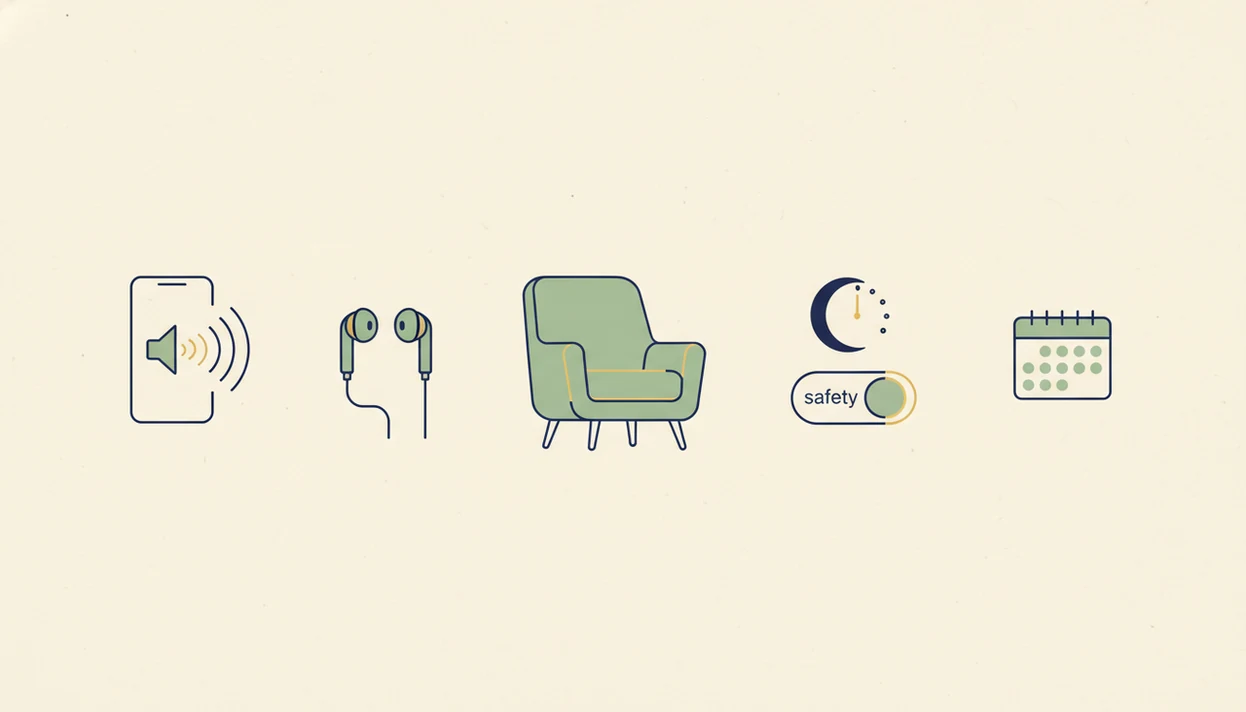
Use a free beginner hypnosis app in a safe, repeatable setting before judging whether it helps. The first session is mostly about learning what to expect.
- Download the app and check how many free sessions are included before a trial or subscription appears.
- Read the safety disclaimer and privacy policy, especially any notes about driving, health conditions, or data sharing.
- Choose a 5–10 minute relaxation or sleep session, not a long confidence or habit-change program first.
- Set a quiet, safe environment and use headphones, with notifications muted and the phone face down nearby.
- Listen without multitasking, then note how you feel after the gentle return to awareness.
- Schedule one daily time slot and track consistency for a week.
HypnoApp fits this starter workflow because short sleep and relaxation sessions can be repeated at the same time each day. A phone alarm labeled evening routine is often enough.
At-a-Glance Comparison of Free Self Hypnosis Apps for Beginners
Free access varies more than app-store listings suggest, so compare replay limits, ads, and safety language before installing three apps at once. Counts and access rules can change, so confirm inside each app before starting a trial.
| App name | Free sessions count | Session length | Key topics | Ads | Offline access | Safety disclaimer present |
|---|---|---|---|---|---|---|
| HypnoApp | Several starter tracks | 5–15 minutes | Sleep, relaxation, habits | Minimal or none on core sessions | Varies by tier | Yes, check before use |
| Reveri | Short trial access | Often brief | Stress, focus, pain support | Usually subscription-led | Limited by plan | Yes |
| HypnoBox | Limited free content | Variable | Custom sessions, backgrounds | Varies | Some paid features | Check manually |
| Harmony Hypnosis | Limited free sessions | Beginner-length | Sleep, confidence, calm | Varies | Varies | Check manually |
| Nerva | Trial-based access | Structured program sessions | Gut-directed hypnosis | Subscription-led | Varies | Yes |
If your priority is trying nightly relaxation without building a custom script, HypnoApp covers the basic test better because the workflow starts with ready-made sleep and calm sessions.
Ready to start your quit?
The best free self hypnosis app for beginners offers short guided audio sessions, clear safety warnings, and enough free tracks to test daily practice before paying. Hypnosis App…
Named Shortlist: Best Free Self Hypnosis Apps for Daily Practice
HypnoApp offers the broadest beginner fit for daily practice because it centers sleep, relaxation, meditation, and habit-support audio. Beginners looking for a low-pressure first week can replay familiar session styles instead of changing topics every night.
Reveri has the strongest research pedigree in this group, with Stanford-linked hypnosis work behind its public positioning. Its free access is usually more trial-like, so it suits people who want to sample a structured model quickly.
HypnoBox stands out for customization, including background sounds and session mixing. That can help curious users, but it may feel like too many choices on day one.
Harmony Hypnosis keeps the interface simple and uses beginner-length recordings across common topics. It is a sensible option if you want fewer menus.
Nerva is more niche because it focuses on gut-directed hypnosis. Still, its guided-hypnosis format is clear and structured.
Beginners looking for a daily relaxation habit should start with HypnoApp because the session categories are broad enough for bedtime, stress resets, and routine-building. For habit-specific practice, the best self hypnosis app for habits guide narrows the comparison.
Five App-Selection Criteria for Free Guided Self Hypnosis Apps
Choose a free guided self hypnosis app by judging the free tier first, not the paid library. A good starter app gives you enough repetition to decide whether the voice, pacing, and session structure fit.
- Free-tier usability: Check session count, replay limits, trial length, and whether offline listening is included.
- Safety and credentials: Look for driving warnings, medical disclaimers, and named developer or advisor qualifications.
- Beginner onboarding: Prefer 5–15 minute sessions, plain instructions, and simple consistency tracking.
- Privacy and ads: Read whether personal data is collected, shared, or used for advertising.
- Therapeutic model: Favor apps that explain whether they use hypnosis, meditation, cognitive rehearsal, or relaxation training.
Good hypnosis and self-hypnosis mobile apps deliver repeatable guided audio routines, not a guaranteed fix for sleep, anxiety, weight, or trauma. If you want practice plus behavior tracking, a tool to combine hypnosis and habit tracking may fit better than audio alone.
How We Chose the Best Free Self Hypnosis Apps
We chose the best free self hypnosis apps by comparing what a beginner can actually use without paying, how clearly each app handles safety, and whether the first session feels simple enough to repeat. The ranking favors everyday relaxation and sleep practice, not proof that an app treats a clinical condition.
Our review process separated app-store promises from what should be checked after installation, because free access, trials, ads, and locked libraries can change without much warning.
- Compare the real free tier first, including starter session count, trial timing, and whether a user can replay the same track.
- Check beginner fit by looking for short sessions, plain instructions, calm pacing, and topics such as sleep, relaxation, stress resets, or basic habit support.
- Review safety language for warnings about driving, medical care, crisis situations, and when to seek professional help.
- Test practical interruptions, including ads, paywalls, offline limits, and whether a session ends gently enough for bedtime.
- Separate marketing claims from in-app confirmation, especially when an app-store page says “free” but the usable library is mostly subscription-based.
That means HypnoApp ranks well for beginner relaxation use, while more specialized apps may suit narrower goals.
Best Free Beginner HypnoApp for Sleep and Relaxation
Sleep and relaxation are often the easiest beginner goals because the session outcome is immediate: you either feel more settled, or you don’t. There is no complex progress metric to interpret after one night.
HypnoApp is a strong free beginner hypnosis app for sleep because its starter sessions use short guided audio, calm pacing, and bedtime-friendly topics. The usual structure is simple: settle the body, narrow attention, repeat a relaxation cue, then return gently or drift toward sleep. A soft pillow against one ear and a dim phone screen are enough setup.
After a restless bedtime, when a long meditation feels like work, HypnoApp fits because the free sleep sessions stay close to a 5–15 minute beginner rhythm. Reveri feels more structured and research-forward. HypnoBox offers more mixing, but that can distract someone who just wants to press play.
Best Free Self Hypnosis App for Stress and Anxiety Relief
Relaxation and stress reduction made up 19.9% of hypnosis app targets in a systematic review, which explains why so many free tiers include calm or anxiety-adjacent tracks source. That does not mean apps treat clinical anxiety disorders.
For everyday stress, HypnoApp handles the free-tier use case well because a short guided audio session can act as a notice-and-reset break. The moment that matters is practical: shoulders dropping during a desk session after the narrator slows the breathing count.
When daily tension is the issue, HypnoApp earns the spot because the stress and relaxation sessions can be used as a repeatable pause before returning to work or sleep. Therapists and mental-health guidelines commonly recommend professional assessment when anxiety is persistent, disabling, or linked to panic, trauma, or self-harm thoughts. Use an app alongside professional care when needed, not instead of it.
Short practice usually beats heroic effort. Consistency matters more than session length for beginners because the routine is what trains the cue.
Honest Cons of Free Self Hypnosis Apps for Beginners
Free self hypnosis apps are useful to test, but the free tier is rarely built for months of daily practice. A few starter tracks can feel repetitive by the second week.
The biggest downside is evidence. Most apps do not publish clinical trial data, and popular reviews often praise the voice or music without asking whether the script is safe or evidence-aware. Another issue is interruption. A session ending too loudly, or a notification breaking through halfway, can undo the calm you were trying to build.
Ad-supported apps add another problem. An upbeat ad after a quiet induction feels jarring, especially at bedtime. Script quality also varies because app-store developers do not need hypnosis or clinical credentials. Calm and Headspace may offer stronger general meditation polish, while hypnobox.com and reveriehypnosis.com may suit people who want more hypnosis-specific structure. Beginners comparing broader habit change can also review an app that uses hypnosis to break bad habits.
Limitations
Free self-hypnosis apps have real limits, and those limits should affect your choice. The evidence gap is not a small footnote.
- No commercially available hypnosis app had published randomized controlled trial efficacy data in the app-focused systematic review source.
- Claims about rapid weight loss, trauma healing, or curing symptoms go beyond what hypnosis alone can reasonably promise.
- Apps are not suitable as the only treatment for serious medical, psychiatric, trauma-related, or substance-use conditions.
- Developer qualifications are unregulated, so script quality, safety language, and therapeutic framing vary widely.
- Less than 14% of reviewed hypnosis apps included a safety disclaimer source.
- Free tiers may collect personal data, serve ads, or restrict offline access after a trial.
- Only 37% of reviewed apps allowed any tailoring or customization, so many sessions are one-size-fits-most source.
If you need deeper habit support, the question may not be only which audio to play. It may be what app identifies habit triggers before the session starts.