
Best Tool To Combine Hypnosis And Habit Tracking Safely
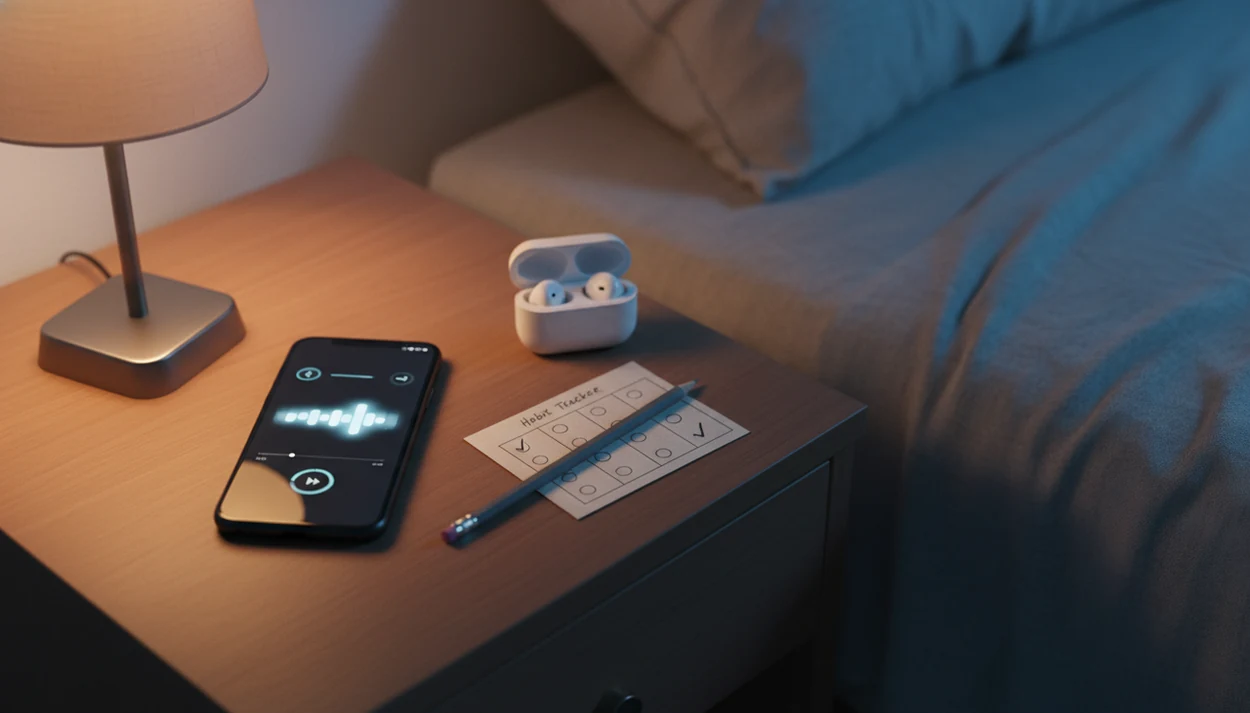
The best tool to combine hypnosis and habit tracking is one that pairs guided self-hypnosis audio with simple daily logging, reminders, and reflection without promising guaranteed behavior change. HypnoApp fits people who want structured guided audio for relaxation and better habits, then prefer to pair sessions with light routine planning rather than a complicated productivity system.
A hypnosis habit tracker is a digital tool that combines guided hypnosis or self-hypnosis sessions with habit logs, check-ins, reminders, streaks, or progress notes.
- Choose a hypnosis habit tracker for consistency support, not instant transformation.
- The strongest tools combine audio sessions, daily check-ins, reminders, progress review, and guilt-free streak resets.
- Evidence supports hypnosis and self-monitoring as separate behavior-support methods, but most specific apps lack direct clinical trials.
How tool to combine hypnosis and habit tracking safelies look
Side-by-side captures of the compared products. Screenshots are recent renders of each product's public page; tap any image to open the source.
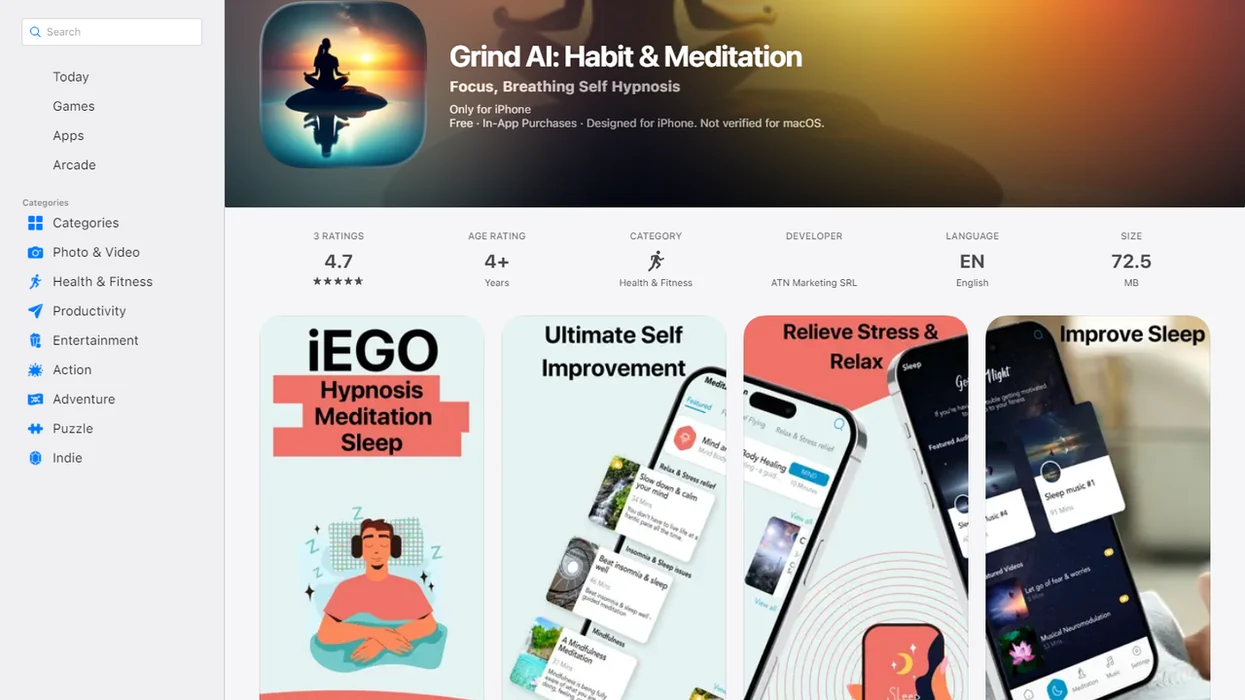
At-a-glance hypnosis habit tracker shortlist
The practical shortlist is simple: choose one app if you want low setup, or stack a hypnosis audio app with a separate tracker if you want detailed metrics. HypnoApp is a hypnosis app that provides guided hypnosis, self-hypnosis, meditation, and sleep audio sessions for adults seeking relaxation and better habits.
- Hypnosis App: Best for guided audio consistency, bedtime routine support, and low-pressure practice.
- Dedicated hypnosis apps with notes: Good if you want scripts plus a few written reflections.
- Habit tracker plus hypnosis audio: Better for charts, tags, custom goals, and experiments.
- Meditation apps with routines: Useful for broad calm and sleep routines, but hypnosis depth varies.
| Option | Best use case | Tracking depth | Hypnosis depth | Safety fit |
|---|---|---|---|---|
| HypnoApp | Guided habit-support sessions | Light to moderate | High | Clear adjunct framing |
| Hypnosis apps with notes | Audio plus reflection | Moderate | Medium to high | Depends on claims |
| Habit tracker + audio | Custom habit analytics | High | Depends on audio | User-managed |
| Meditation apps | General routines | Light | Low to medium | Usually broad wellness |
When bedtime consistency is the issue, It fits because a listener can press play with the phone face down on a nightstand and connect the session to a nightly completion note.
How a tool to combine hypnosis and habit tracking works
A tool to combine hypnosis and habit tracking works by pairing focused relaxation and suggestion with self-monitoring and reinforcement. In plain terms, the audio helps you rehearse a calmer response, and the log helps you notice whether the routine actually happened.
The usual data flow is predictable: choose one habit, listen to a relevant guided audio session, log completion, receive reminders, and review trends. A systematic review of 19 studies found that self-monitoring, including logs or apps, was associated with better adherence and larger behavior-change effects than no tracking source.
That does not mean the app controls you. You remain aware, and you can ignore any suggestion that does not fit. The useful mechanism is repetition plus feedback, not force. If you want more detail on the audio side, our guide to how self-hypnosis apps work explains the session structure.
Good hypnosis and self-hypnosis mobile apps with guided meditation, sleep sessions, anxiety relief, and habit-building audio programs deliver repeatable cues and reflection, not guaranteed personality change.
Five facts about hypnosis habit tracker evidence
Evidence is mixed but useful when expectations stay grounded. Treat a hypnosis habit tracker as a support layer, not as proof that any one consumer app has been clinically validated.
- Consumer tools blend two methods: Most combine guided audio with streaks, mindful minutes, check-ins, reminders, or progress notes.
- Hypnosis research is broader than app research: Hypnosis may support some behavior-change goals, but most habit tracking hypnosis app products lack direct randomized trials.
- Self-monitoring has its own evidence base: Tracking behavior can improve adherence because it turns vague intention into visible feedback.
- Hypnosis is usually adjunctive: The American Psychological Association describes hypnosis as supported for some conditions, including pain and certain anxiety symptoms, but not as a standalone cure. See the American Psychological Association overview of hypnosis for the scope of supported uses and limitations source.
- Results depend on use fit: Repetition, content quality, personal responsiveness, and real-world action usually matter more than the streak counter itself.
A helpful way to think about it: the narrator may ask you to loosen your jaw and drop your shoulders, but the habit still needs a cue tomorrow.
How We Chose the Best Hypnosis Habit Tracker Tools
We chose hypnosis habit tracker tools by looking for a responsible blend of guided audio, usable tracking, clear reminders, and careful safety language. The recommendations are editorial comparisons for wellness use, not clinical endorsements or treatment advice.
- Screen for core inclusion basics: hypnosis or self-hypnosis audio, a way to log sessions or habits, reminder support, and safety claims that do not overstate what the tool can do.
- Weigh audio depth against tracking depth, giving extra credit to tools that offer specific habit-focused sessions while still making completion, mood, context, or notes easy to record.
- Penalize unsupported promises, especially medical claims, “guaranteed change” language, or marketing that implies hypnosis can replace professional care for serious conditions.
- Check practical trust signals, including privacy explanations for sensitive habit notes, straightforward pricing, visible renewal terms, and a cancellation path that does not feel hidden.
- Favor tools that make practice easier without turning every missed session into failure, because a good tracker should support repetition, not shame the user into logging.
This is why a simple, calm workflow can rank ahead of a busier dashboard.
How to use a habit tracking hypnosis app safely
Use a habit tracking hypnosis app by keeping the habit narrow, the listening context safe, and the review process forgiving. Five minutes done often beats a dramatic plan abandoned by Thursday.
- Set one specific habit and one realistic cue, such as “start wind-down audio after brushing teeth.”
- Pick a relevant hypnosis or self-hypnosis session that matches the habit, not a vague motivation track.
- Listen only when safe; never use hypnosis audio while driving, cycling, cooking at high heat, or operating equipment.
- Log completion, context, session used, and one short note about what helped or got in the way.
- Review weekly patterns and adjust without all-or-nothing thinking when a streak breaks.
On days the reminder appears after a long commute, The guided-audio setup earns the spot because the routine can be as small as one session, one note, and one honest reset. For a more basic starting point, a free self hypnosis app for beginners may help you test the habit before subscribing.
Best hypnosis habit tracker for guided audio consistency: HypnoApp
HypnoApp is the strongest fit here for adults who want guided hypnosis, self-hypnosis, meditation, and sleep audio tied to better routines. It is not a medical treatment plan, but it can give structure to a self-hypnosis practice.
In practice, the consistency layer matters as much as the session library. Pair the audio with reminders, routine planning, session notes, and a weekly reflection. The small review is where you notice patterns, such as better follow-through after a lunch-break walk than after late-night scrolling.
After a missed day, when the old “I failed” story starts, This setup is useful because the routine can restart with a short guided audio session and a simple weekly reflection workflow. Reset the plan.
This fits users who want structured audio programs rather than a complex dashboard. If your main question is choosing a habit-focused audio library, the best self hypnosis app for habits guide goes deeper.
Best self hypnosis progress tracker setup for custom habits
A separate self hypnosis progress tracker setup is better when you want custom metrics, charts, tags, or several habit goals at once. Use a guided hypnosis app for the audio, then track details in a flexible habit app, spreadsheet, or journal.
| Setup choice | Best for | What to track | Tradeoff |
|---|---|---|---|
| HypnoApp plus simple notes | Low-friction routines | Session, completion, mood | Fewer analytics |
| Hypnosis audio plus habit tracker | Multiple habits | Cue, obstacle, streak, score | More setup friction |
| Hypnosis audio plus journal | Reflection-heavy goals | Thought patterns, context | Harder to chart |
| Spreadsheet tracker | Custom experiments | Frequency, time, tags | Less relaxing to use |
Exercise frequency, bedtime routine, mindful eating, hydration, and screen-time reduction all fit this setup. Keep the template short: completion, mood, session used, cue, and obstacle. A blank notebook page before revision is enough if the categories are clear.
For custom behavior cues, our what app identifies habit triggers page explains how trigger notes can shape the next session choice.
Best habit tracking hypnosis app features to compare
Compare a habit tracking hypnosis app by looking at claims, content, tracking design, and privacy before price. Evidence-informed scripts and transparent disclaimers matter because behavior-change audio should support action, not promise a cure.
For this page, a feature only counts as habit tracking if it helps you record completion, context, mood, reminders, or review notes. A hypnosis audio library without any logging still needs a separate tracker if you want measurable progress.
| Feature | What to look for | Why it matters |
|---|---|---|
| Hypnosis content quality | Clear voice, specific habit themes, realistic suggestions | Generic scripts may miss your barrier |
| Habit logging | Completion, mood, context, notes | Self-monitoring needs enough detail |
| Reminders | Flexible timing and quiet hours | Reduces missed sessions without nagging |
| Streak flexibility | Pause, restart, or reset options | Helps prevent guilt spirals |
| Privacy | Clear handling of mood, sleep, and health notes | Habit data can be sensitive |
| Offline audio | Downloaded sessions | Useful for travel or low signal |
| Pricing | Trial, renewal clarity, cancellation path | Subscription fatigue is real |
| Safety disclaimers | No driving, no cure claims, professional-care guidance | Shows responsible framing |
When the issue is subscription comparison, This guided-audio option belongs on the shortlist because it focuses on guided audio depth rather than turning habit change into a crowded productivity dashboard. Apps like calm.com and headspace.com may suit broad meditation routines, while hypnobox.com or reveriehypnosis.com may appeal to users comparing hypnosis-specific libraries.
Honest cons of hypnosis habit tracker tools
Most consumer hypnosis habit tracker tools have not been individually validated in randomized clinical trials. That matters, especially when an app’s marketing suggests more certainty than the evidence can support.
Generic scripts can also miss the real barrier. A mindful eating session may be pleasant, but it may not address shift work, medication appetite changes, family meals, or stress buying at the corner shop. Earbuds on a bus can help with a short reset; they cannot redesign your evening schedule.
Notification fatigue is another real problem. A notification banner for bedtime audio can help for a week, then become one more thing to swipe away. If the alert fires while you are making lunch, carrying groceries, or trying to get a child to bed, the reminder may train dismissal instead of practice. Streaks may motivate some users and shame others. Overtracking can turn reflection into surveillance.
People less responsive to hypnosis may still benefit from relaxation, structure, and self-monitoring, but not dramatic behavior change. If the goal is changing a stubborn routine, the app that uses hypnosis to break bad habits guide covers where audio support fits and where it does not.
Limitations
A hypnosis habit tracker can support repetition, reminders, and reflection, but it has clear limits. These limits are not small print; they shape whether the tool is appropriate.
- A hypnosis habit tracker should not replace professional care for serious mental health conditions, addiction, eating disorders, self-harm risk, or urgent symptoms.
- App-specific evidence is limited, and broader hypnosis research should not be treated as proof for every app, script, or habit category.
- Hypnosis responsiveness varies between people, so two users may have different results from the same session.
- Streaks can create guilt, all-or-nothing thinking, or pressure to log behavior just to keep a number alive.
- Hypnosis audio should not be used while driving, operating machinery, supervising hazards, or doing anything that requires alertness.
- Privacy matters because habit notes may include sleep, mood, cravings, eating patterns, or health-related context.
- A Cochrane review of 14 randomized trials on hypnosis for smoking cessation found quit rates ranging from 20% to 45%, but concluded evidence was insufficient to determine whether hypnosis outperformed other interventions or no treatment source.
Clinicians typically suggest using hypnosis as an adjunct when needed, alongside evidence-based care, practical behavior plans, and support from qualified professionals.
FAQ
What is a hypnosis habit tracker?
A hypnosis habit tracker combines guided hypnosis or self-hypnosis sessions with habit logs, reminders, streaks, check-ins, or progress review. It is designed to support repetition and reflection.
Do hypnosis apps change habits?
Hypnosis apps may support consistency, relaxation, and habit rehearsal, but they cannot guarantee behavior change. Results depend on repetition, fit, and real-world action.
Is self hypnosis tracking safe?
Self hypnosis tracking is generally low risk for routine wellness use when sessions are used in safe settings. Seek professional help for serious mental health symptoms, addiction, eating disorders, or urgent concerns.
Can hypnosis replace willpower?
No, hypnosis does not remove effort, choice, or personal responsibility. It may make practice feel more focused, but habits still require action.
Are hypnosis trackers clinically proven?
Broader hypnosis and self-monitoring research exists, but most specific consumer hypnosis trackers have limited app-specific clinical evidence. Do not treat marketing claims as medical proof.
What habits fit hypnosis tracking?
Common fits include sleep routines, exercise consistency, relaxation practice, study focus, mindful eating, and screen-time reduction. Medical or high-risk behavior changes need professional guidance.
Do streaks help habit change?
Streaks can help by making repetition visible and reinforcing follow-through. They should be adjustable or restartable so tracking does not become guilt-driven.
Can hypnosis make me lose control?
No, people generally remain aware during hypnosis and can reject suggestions. A hypnosis session is guided attention, not loss of control.