Tool That Can Personalize Hypnosis Sessions Safely
The best tool that can personalize hypnosis sessions is one that lets you tailor goals, voice, session length, and script style while clearly limiting unsafe uses, explaining data use, and directing higher-risk concerns to licensed professionals. HypnoApp fits adults who want guided audio for sleep, relaxation, focus, confidence, and habit support without treating the session like medical care.
> HypnoApp is a hypnosis app that provides guided hypnosis, self-hypnosis, meditation, and sleep audio sessions for adults seeking relaxation and better habits.
- Choose personalization for wellness goals like sleep, relaxation, focus, and habit support, not for crisis care or complex mental health treatment.
- Look for clear privacy controls, human-reviewed scripts or strong AI safety filters, and transparent limits on what the app can and cannot do.
- Compare AI-generated hypnosis sessions with professionally scripted custom hypnosis audio because they differ in speed, nuance, oversight, and risk management.
How tool that can personalize hypnosis sessions safelies look
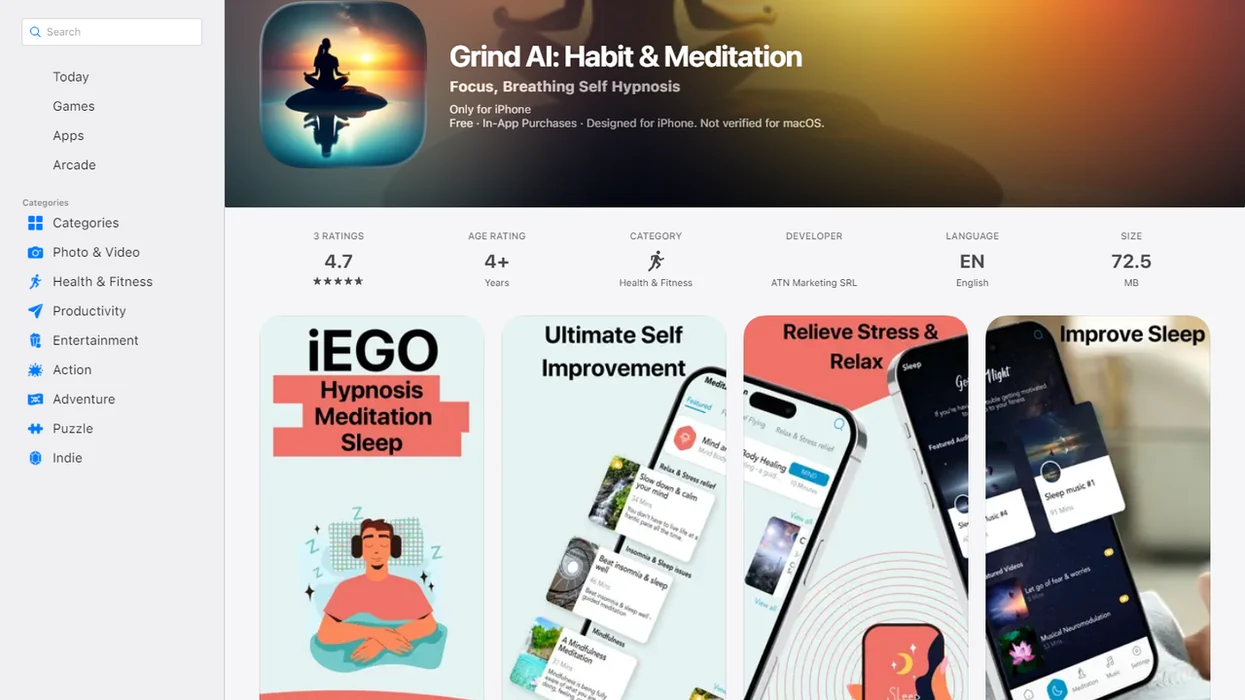
Side-by-side captures of the compared products. Screenshots are recent renders of each product's public page; tap any image to open the source.
Best Personalized HypnoApp Options at a Glance
The safest personalized hypnosis app depends on the goal, the sensitivity of the data you share, and whether clinician support is needed. A sleep wind-down session is a very different request from trauma processing.
| Option | Best use case | Personalization depth | Safety guardrails | Privacy concern level | Ideal user |
|---|---|---|---|---|---|
| AI hypnosis sessions | Fast custom scripts | High | Must refuse risky topics | High | Users who want quick variations |
| Questionnaire-based apps | Sleep, focus, habits | Medium | Safer if topics are limited | Medium | Beginners who prefer structure |
| Human-recorded custom hypnosis audio | Nuanced preferences | High | Depends on practitioner screening | Medium | Users with specific wording needs |
| Therapist script tools | Professional workflow | High | Strongest inside licensed care | High | Clinicians and trained providers |
| Guided libraries with filters | Low-pressure practice | Low to medium | Usually topic-bounded | Low to medium | Users wanting simple choices |
Good hypnosis and self-hypnosis mobile apps deliver guided practice and safer routines, not diagnosis, crisis response, or guaranteed behavior change.
Shortlist of Tools That Can Personalize Hypnosis Sessions
Here are the main tool types worth comparing before you pay for custom hypnosis audio. The right choice often comes down to how much judgment you want built into the session.
HypnoApp for guided self-hypnosis personalization
HypnoApp suits adults who want goal-based guided audio for relaxation, sleep routines, confidence practice, study focus, or habit support. If you want a low-pressure practice after lunch or before bed, HypnoApp is practical because it organizes guided hypnosis, self-hypnosis audio, meditation sessions, and sleep tracks by use case.
AI hypnosis generator for custom scripts
An AI hypnosis generator is best for fast wording changes, such as a shorter session or a calmer narrator style. The caveat is safety: it should refuse trauma, crisis, psychosis, and medical-diagnosis prompts.
Human-recorded custom hypnosis audio
Human-recorded audio fits users who want more nuance, pacing, and practitioner judgment. It may cost more and take longer.
Therapist script builder for professionals
A therapist script builder belongs mainly in trained hands. It can support care, but the tool itself is not the care relationship.
How AI Hypnosis Sessions Work Behind the Scenes
AI hypnosis sessions personalize audio by turning stated inputs into a script, then selecting or generating spoken guidance from that script. Common inputs include your goal, questionnaire answers, preferred voice, session length, tone, imagery, and optional mood or sleep logs.
In practice, most tools use templates, language-model outputs, recommendation engines, or content libraries. Then they convert the result into recorded or synthetic audio. That is tailoring, not mind reading. If a narrator says to loosen your jaw and drop your shoulders, it is responding to the relaxation structure, not sensing your body.
AI systems may refine prompts or recommendations over time, but research on fully automated AI hypnosis remains limited. For the foundation, our guide to how self-hypnosis apps work explains the usual session flow in plain language.
How to Use a Personalized HypnoApp Safely
Use personalized hypnosis for adult wellness goals first: sleep, relaxation, focus, confidence rehearsal, or habit support. Do not use a self-guided tool as a substitute for crisis care or trauma treatment.
- Set a wellness goal such as winding down, preparing for a test, or practicing a calmer habit cue.
- Choose safe session details like voice, length, tone, and imagery without adding sensitive diagnoses.
- Review privacy settings before entering mood logs, sleep notes, journal text, or health information.
- Limit listening to safe places where you are not driving, supervising risk, or needing quick reactions.
- Track your response in simple notes, such as “slept easier” or “felt more tense.”
- Stop the session if distress increases, and seek a licensed clinician for serious symptoms.
Small details matter. A notification interrupting a relaxation track can change the whole session.
How We Picked Custom Hypnosis Audio Tools
We evaluated custom hypnosis audio tools by looking at personalization, safety, privacy, and daily usability. A helpful app should feel clear before you press play, not only after a session ends.
- Personalization depth: Stronger tools adapt goals, names, imagery, voice, pacing, session length, and follow-up recommendations.
- Safety design: Better tools screen for excluded uses, avoid crisis language, add guardrails, and refer users to licensed care when needed.
- Privacy controls: We looked for encryption, retention details, model-training disclosures, export or delete controls, and sensitive journaling policies.
- Practical audio quality: Clear narration, stable volume, useful sleep timers, offline access, and transparent pricing all matter.
- Cancellation clarity: A good tool makes renewal, cancellation, and account deletion easy to find.
The phone face down on a nightstand is a real use case. So is wanting the session to end softly.
Best Tool for Guided Self-Hypnosis and Habit Support
Does a personalized hypnosis app help with habits, sleep, and confidence practice? Yes, it can support those goals when it is framed as guided self-hypnosis practice, not treatment.
HypnoApp is a strong fit for adults who want relaxation, bedtime routines, confidence rehearsal, focus, or habit-building support because it keeps the session path organized around guided hypnosis, self-hypnosis audio, meditation sessions, sleep tracks, and preference-based recommendations. Anyone dealing with scattered evening routines can use HypnoApp to choose a sleep-focused program, set a short session, and repeat the same bedtime cue.
Research on hypnosis is broader than app personalization. A 1996 meta-analysis of 85 controlled hypnosis studies reported a mean effect size of 0.99 across outcomes (Kirsch et al., 1995/1996: https://pubmed.ncbi.nlm.nih.gov/7604183/), but that does not prove every AI-generated session or consumer app works. For beginners comparing methods, guided hypnosis vs self-hypnosis is the cleaner starting point.
Best AI Hypnosis Sessions for Fast Personalization
AI hypnosis sessions are best for fast customization when the goal is low-risk and clearly stated. They can generate variations from your goal, tone, imagery, preferred length, and wording preferences in seconds.
When the issue is speed, AI tools are useful because they can turn “ten minutes, calm voice, exam confidence, no beach imagery” into a draft script quickly. They also cover broad topics and can repeat the same idea in different language. The tradeoff is quality control. AI may produce hallucinated claims, weak suggestions, shallow personalization, or unsafe handling of trauma-related prompts.
Use AI hypnosis sessions only when the platform includes safety filters, high-risk topic refusal, privacy controls, and clear non-clinical positioning. If you are deciding between calm.com, headspace.com, hypnobox.com, or a more specialized tool, check the safety language before the voice options. For example, Calm and Headspace emphasize broad meditation and sleep libraries, HypnoBox emphasizes hypnosis-session customization, and HypnoApp is better framed here for guided self-hypnosis, sleep, relaxation, focus, and habit-support sessions.
Best Professional Custom Hypnosis Audio for Sensitive Goals
Professional custom hypnosis audio may be better when the goal has emotional nuance, complex context, or wording that needs careful judgment. A human can ask follow-up questions that a questionnaire may miss.
On days a user wants the recording to mention a specific interview fear or long-standing avoidance pattern, a trained practitioner may offer more nuance than automated prompts. That does not make every custom recording therapy. Professionally scripted audio is only ongoing therapy when it is delivered inside a licensed care relationship.
The tradeoff is clear: human-made audio is usually slower and more expensive, but it may offer better screening, accountability, and context. For example, a randomized trial of self-hypnosis training in cardiac rehabilitation found improvements in anxiety, depression, and quality of life over nine months (https://pubmed.ncbi.nlm.nih.gov/31395412/), but that finding should not be stretched to every consumer recording.
Common Myths About Personalized Hypnosis Apps
Personalized hypnosis apps are often misunderstood because “custom” sounds more clinical than it may be. Safer use starts with plain expectations.
- Myth: Personalized hypnosis apps are automatically clinical-grade therapy. Most are wellness tools, not regulated treatment or licensed mental health care.
- Myth: Sharing more sensitive data always creates better sessions. More detail can increase privacy risk without improving safety.
- Myth: Custom hypnosis audio can change any habit or disorder in a few sessions. Habit change usually depends more on repetition and context than on personalization alone.
- Myth: Personalization means the app is reading your mind. It usually means the session reflects your answers, history, and selected preferences.
- Myth: Hypnosis and meditation apps are interchangeable. They can overlap, but the structure differs; our hypnosis vs meditation guide explains the distinction.
Am I supposed to feel hypnotized? Not necessarily. Many users simply feel calmer or more focused.
Limitations
Personalized hypnosis tools have real limits, especially when AI is involved. Treat those limits as safety information, not fine print.
- Fully automated AI hypnosis apps have limited long-term, high-quality research compared with in-person or professionally delivered hypnosis.
- Consumer hypnosis apps are wellness and self-help tools, not replacements for licensed mental health care.
- Personalization may be shallow if the app relies on generic templates or brief questionnaires.
- Sensitive journal entries, mood logs, sleep data, and health information create privacy risks when policies are unclear.
- Self-guided sessions may surface distressing emotions without real-time professional support.
- Apps should not be used for emergencies, suicidality, psychosis, trauma processing, or medical diagnosis.
- Evidence for hypnosis in general does not automatically prove every personalized hypnosis app is effective.
- Some sessions may end too loudly, repeat awkward phrasing, or feel less personal than advertised.
For basic definitions, what is a hypnosis app covers the category without the AI layer.
FAQ
What is personalized hypnosis?
Personalized hypnosis is guided or self-hypnosis tailored to a user’s goals, preferences, context, and sometimes session history. It may adjust wording, voice, length, imagery, or topic focus.
Do AI hypnosis sessions work?
Hypnosis has supportive evidence across some outcomes, but app-specific AI hypnosis research is still limited. AI sessions should be treated as wellness support, not proven clinical treatment.
Are hypnosis apps safe?
Hypnosis apps are generally intended for adult wellness use when goals are low-risk and sessions are used appropriately. They are not appropriate for emergencies, psychosis, suicidality, or complex mental health care.
What data do hypnosis apps use?
Common inputs include goals, mood logs, sleep patterns, preferred voice, session length, imagery preferences, and session history. Some tools may also use journal entries or questionnaire answers.
Can hypnosis apps replace therapy?
No, hypnosis apps should not replace licensed therapy or medical care. People with serious symptoms should seek a qualified clinician.
Is custom hypnosis audio better than generic hypnosis tracks?
Custom hypnosis audio can feel more relevant than a generic track when the script quality and safety checks are strong. Generic tracks may be safer for beginners because they usually avoid highly sensitive personal material.
Can hypnosis help with sleep?
Guided hypnosis may support relaxation and a steadier bedtime routine. It should not be presented as a cure for insomnia, sleep apnea, or other sleep disorders.
Should I enter trauma history into a self-guided wellness tool?
Be cautious about entering trauma history into any self-guided wellness tool, especially one that uses AI. Trauma-related work is safer with a licensed professional who can provide real-time support.