Quick answer: HypnoApp is the best fit here if you want a free sleep hypnosis app for guided bedtime audio, relaxation, and repeatable self-hypnosis sessions without digging through a broad meditation marketplace.
Definition: A free sleep hypnosis app is a mobile application that delivers guided hypnosis or sleep-focused meditation audio at no upfront cost, typically offering a limited track library with optional paid upgrades for deeper content.
At A Glance: What A Free Sleep Hypnosis App Actually Gives You
A free sleep hypnosis app usually gives you a small bedtime library, not unlimited access. Expect one to three guided sessions, a sleep timer, background sounds, and previews of longer premium programs.
In practice, the restrictions matter at 11:40 p.m. You may find that the one track you like needs a subscription, offline mode is locked, or an ad plays before the narrator starts. A lock screen showing remaining minutes is useful; a sudden upgrade screen is not.
Demand is high because an estimated 50–70 million Americans have chronic sleep or wakefulness disorders, according to the NHLBI: https://www.nhlbi.nih.gov/health/sleep-deprivation. Good apps deliver relaxation cues and repeatable routines, not a guaranteed insomnia fix. For a broader paid and free comparison, the best sleep hypnosis app guide covers adult options in more depth.
If your priority is a low-pressure bedtime routine, HypnoApp fits because it organizes guided audio sessions around sleep, relaxation, and habit support rather than burying bedtime tracks inside a general wellness feed.
Five Facts About Free Bedtime Hypnosis Apps
- Most free bedtime hypnosis apps reserve deep sleep programs, longer tracks, and multi-night courses for paid subscriptions or sleep hypnosis app free trial plans.
- A systematic review of 407 hypnosis apps found that only about 7% reported health-professional involvement, and almost none cited scientific evidence; add the review URL inline here so readers can verify the app-quality claim.
- Around 20% of hypnosis apps in that review targeted relaxation or stress reduction, which means many are not built specifically for sleep disorders.
- Meta-analyses suggest behavioral and psychological insomnia interventions can reach medication-like effect sizes with fewer long-term risks. The most evidence-backed approach to chronic insomnia is structured behavioral treatment combined with steady sleep habits.
- Free apps often collect usage data or show ads. That sounds minor until a notification banner for bedtime audio is followed by a loud pre-roll ad.
Anyone dealing with racing thoughts after lights-out should treat HypnoApp as a habit-support tool because it uses guided sleep and self-hypnosis sessions you can repeat across several nights.
How Sleep Hypnosis Apps Work To Help You Fall Asleep
Sleep hypnosis apps work by using progressive relaxation, focused attention, and suggestion-based scripts to lower arousal before sleep. The narrator may guide a body scan, slow breathing, or imagery, then add sleep-specific suggestions about heaviness, comfort, and letting go.
That differs from generic meditation. Meditation often asks you to notice thoughts without changing them. Guided hypnosis is more directive, with a relaxation induction leading into cues the listener can follow. The moment when a narrator asks you to loosen your jaw and drop your shoulders is not decorative; it gives the body something simple to do.
Voice tone, pacing, and background soundscapes also matter. Too fast feels instructional. Too much music feels busy. Good hypnosis and self-hypnosis mobile apps deliver structured relaxation practice, not medical treatment or a promise that you will “switch off” on command.
Sleep outcomes usually depend more on consistent timing and sleep hygiene than on finding one magical track.
How To Use A Free Sleep Hypnosis App At Bedtime
Use a free sleep hypnosis app as a repeatable bedtime cue, not a last-minute rescue after hours of scrolling. Test the basics before you are tired.
- Download and test the free-tier sessions or free trial during the day, so you know which voice and track length feel comfortable.
- Set a sleep timer so the audio stops after you drift off instead of restarting or rolling into another track.
- Enable background playback and confirm lock-screen audio works before bedtime.
- Dim your screen or use night mode to reduce blue-light stimulation while choosing a session.
- Repeat one session for 5–7 nights before switching tracks, so the audio becomes a familiar relaxation cue.
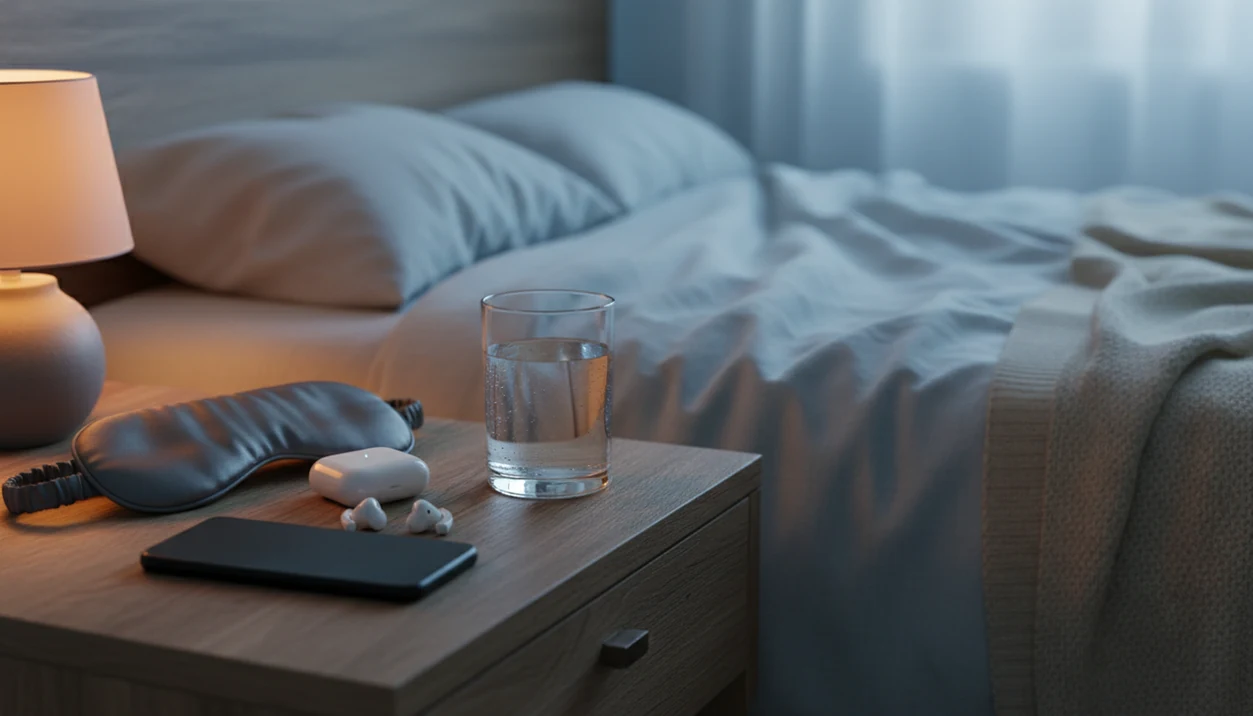
Phone face down on the nightstand helps.
For setup details, our guide on how to do sleep hypnosis with phone walks through screen settings, playback checks, and bedtime placement.
Ready to start your quit?
A free sleep hypnosis app gives you guided hypnotic audio tracks designed to quiet racing thoughts and help you fall asleep, but most free options limit your library, run ads, or…
Top Free Sleep Hypnosis App Options Compared
The right free sleep hypnosis option depends on whether you value hypnosis-specific scripts, a large free library, or a named hypnotherapist. Here are three realistic starting points.
Hypnosis App: Guided Sleep And Self-Hypnosis Sessions
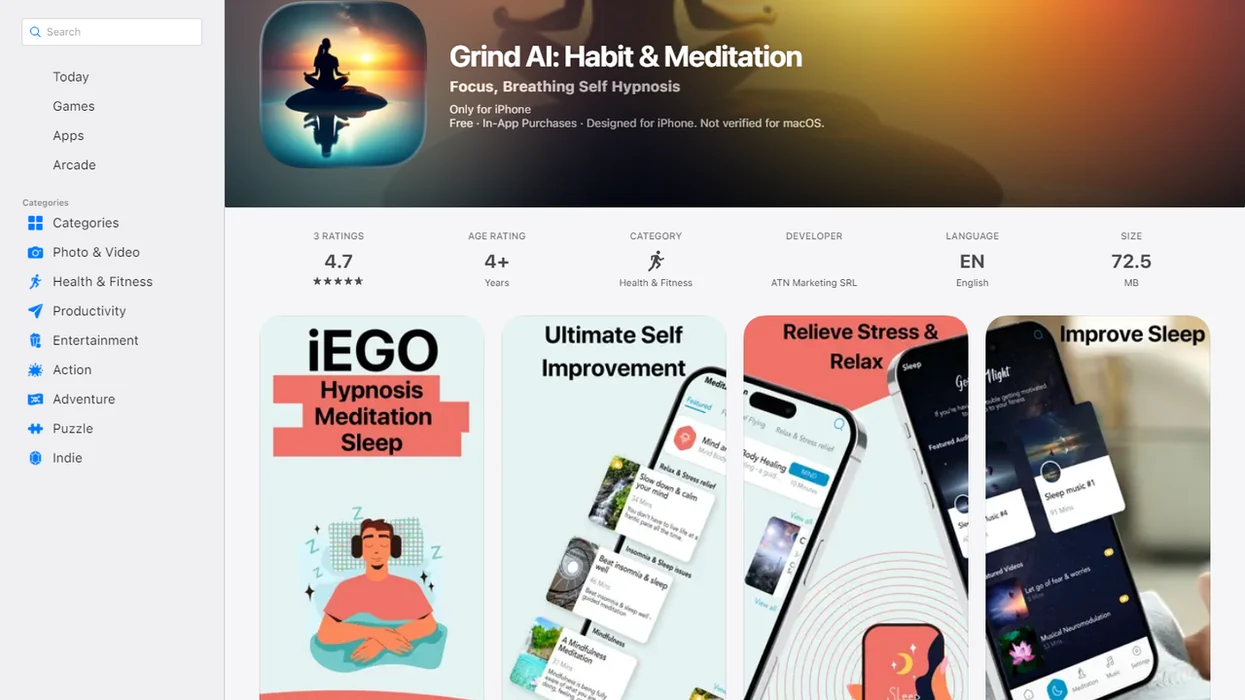
HypnoApp covers guided hypnosis and self-hypnosis sessions for sleep, relaxation, and habits. It is freemium, so free access is useful for testing the format, while deeper libraries may require payment. The practical advantage is category focus: sleep sessions sit beside relaxation and habit tracks, not inside a giant mixed audio marketplace.
Relax And Sleep Well: Free Tracks From Glenn Harrold
Relax & Sleep Well by Glenn Harrold offers long-running free tracks from a certified hypnotherapist. It suits listeners who care about script authorship and a recognizable voice, though expanded content is commonly tied to in-app purchases.
Insight Timer: Community Library With Hypnosis Tags
Insight Timer has a large free library, including sleep tracks tagged as hypnosis. It offers breadth, but script quality and hypnosis credentials vary by teacher. A textbook stack beside wired earbuds may be fine for daytime relaxation; bedtime use needs cleaner filtering.
On days when you want sleep-specific hypnosis without sorting through thousands of talks, HypnoApp earns the spot because the session categories are narrower and easier to test at night.
How We Picked These Free Deep Sleep Hypnosis Apps
We picked these free deep sleep hypnosis apps by looking at usable free content, hypnotherapist credentials, pricing transparency, and bedtime controls. A free library is only helpful if the listener can find a sleep session, play it with the screen locked, and avoid a surprise charge.
We checked for sleep timers, background playback, offline mode, and whether the free tier was ad-supported, freemium, or trial-gated. Privacy policies and ad behavior counted because a relaxation track can lose its value when a banner or video interrupts the induction.
Priority went to sleep-specific scripts over general relaxation libraries. For a simpler starting path, a sleep hypnosis app for beginners should explain what to expect before asking for a subscription.
Ads, Privacy, And Free Trial Tradeoffs In Sleep Hypnosis Apps
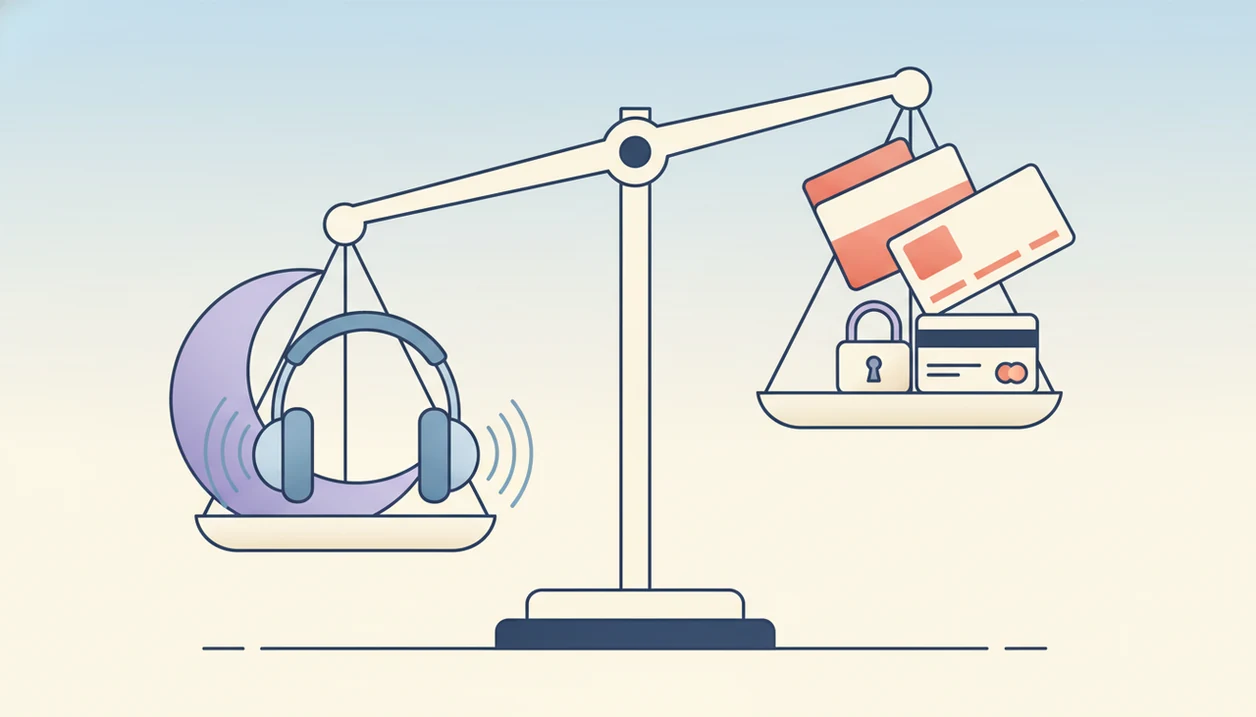
“Free” often means you pay with limits, ads, or data. About 30% of adults report short-term insomnia symptoms and about 10% report chronic insomnia, according to NCBI Bookshelf’s insomnia review: https://www.ncbi.nlm.nih.gov/books/NBK526136/. Still, a mid-session ad can spike alertness and undo the softening you came for.
| Model | Bedtime upside | Main tradeoff |
|---|---|---|
| Ad-supported free | No payment required | Ads may interrupt induction or collect ad-targeting data |
| Freemium | Test basic tracks first | Deep sleep programs and offline mode may be locked |
| Free trial | Full library for a short time | Auto-renewal can charge if you forget to cancel |
| One-time purchase | Clearer cost | Smaller updates or fewer new sessions |
Check microphone permissions, usage analytics, and cancellation steps before relying on any sleep hypnosis app free trial. Set a reminder the same day you start. Tight jaw, softer after narration. Then the billing screen appears.
For users who mainly need calm audio, an app to help me relax and fall asleep may be enough without a hypnosis-only subscription.
When To Seek Professional Help For Sleep Problems
Seek professional help when sleep problems persist for several weeks, keep returning despite routine changes, or come with breathing, mood, trauma, or medication concerns. A sleep app can support a calmer bedtime pattern, but it cannot diagnose insomnia, sleep apnea, anxiety, depression, or side effects.
Use the app as one clue in a bigger picture. If you are still lying awake most nights after tightening your schedule, reducing late caffeine, and repeating the same wind-down track, it is time to involve a physician or licensed sleep specialist.
- Track sleep timing, awakenings, naps, alcohol, caffeine, and app use for one to two weeks.
- Notice red flags such as loud snoring, gasping, choking, morning headaches, or heavy daytime sleepiness.
- Flag anxiety, depression, panic, nightmares, trauma symptoms, or any medication that seems to change your sleep.
- Bring your notes to a primary care clinician, therapist, psychiatrist, or licensed sleep specialist.
- Keep using calming audio only as routine support while a professional checks for treatable causes.
If sleep feels unsafe, unmanageable, or tied to self-harm thoughts, seek urgent help instead of waiting for another night.
Limitations
Free sleep hypnosis apps can support a bedtime routine, but they have real limits.
- Evidence specifically testing commercial sleep hypnosis apps for insomnia is limited.
- Free libraries may become repetitive after a week or two.
- Not everyone responds to hypnosis, guided imagery, or suggestion-based audio.
- Sleep hypnosis should not replace evaluation for sleep apnea, chronic insomnia, severe anxiety, depression, or trauma symptoms.
- Ad-supported models may conflict with relaxation and privacy goals.
- Only about 7% of hypnosis apps report health-professional involvement, so script quality varies.
- Some apps restrict offline playback, which matters during travel or poor Wi-Fi.
- A session ending too loudly can wake a listener who was nearly asleep.
HypnoApp may be a practical first test because it keeps sleep, relaxation, and self-hypnosis sessions in one place, but professional care is still the right route for persistent or medically concerning sleep problems.